

 English
  русский
  عربى
عربى 




How do high-pressure casting components compare to low-pressure casting components in mechanical strength?
Casting technology plays an important role in modern manufacturing because it enables the production of complex metal components with high efficiency and consistent quality. Among various casting methods, high-pressure casting and low-pressure casting are two widely used processes for producing precision metal parts. Although both technologies rely on molten metal forming inside a mold cavity, their filling methods, solidification behavior, structural characteristics, and mechanical performance are significantly different.
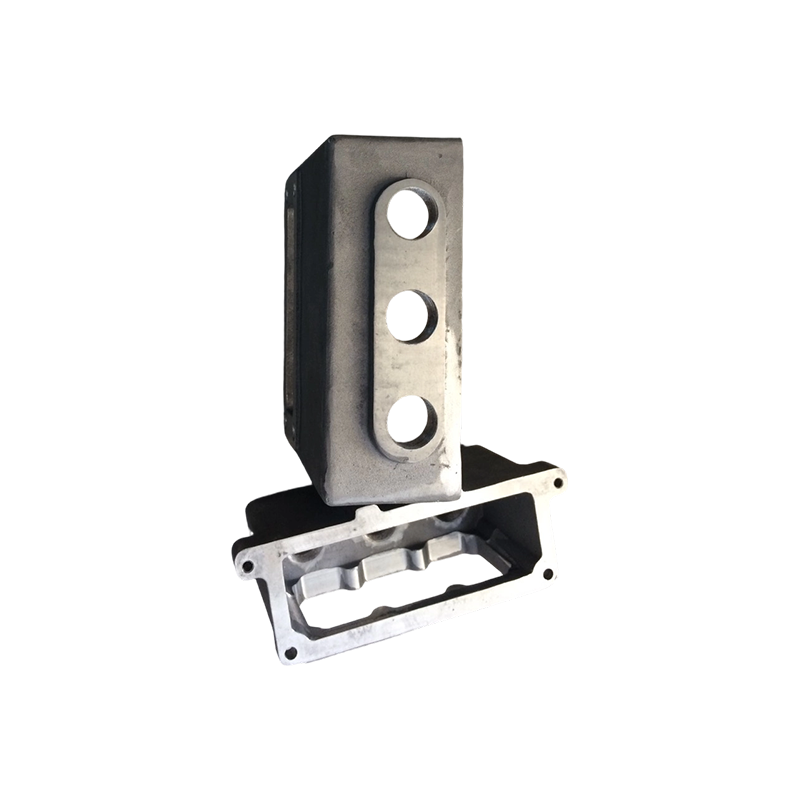
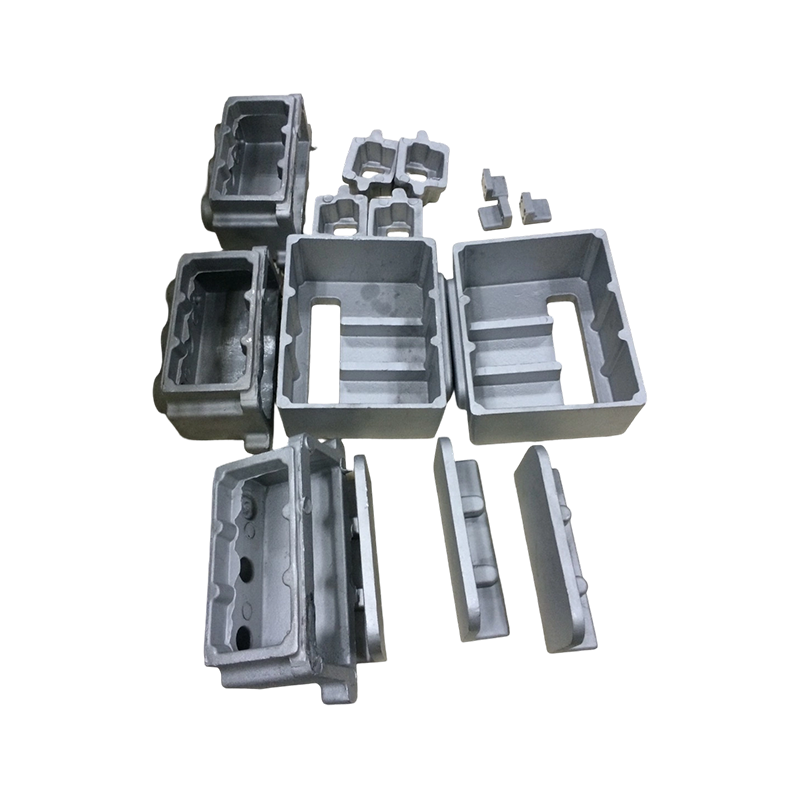
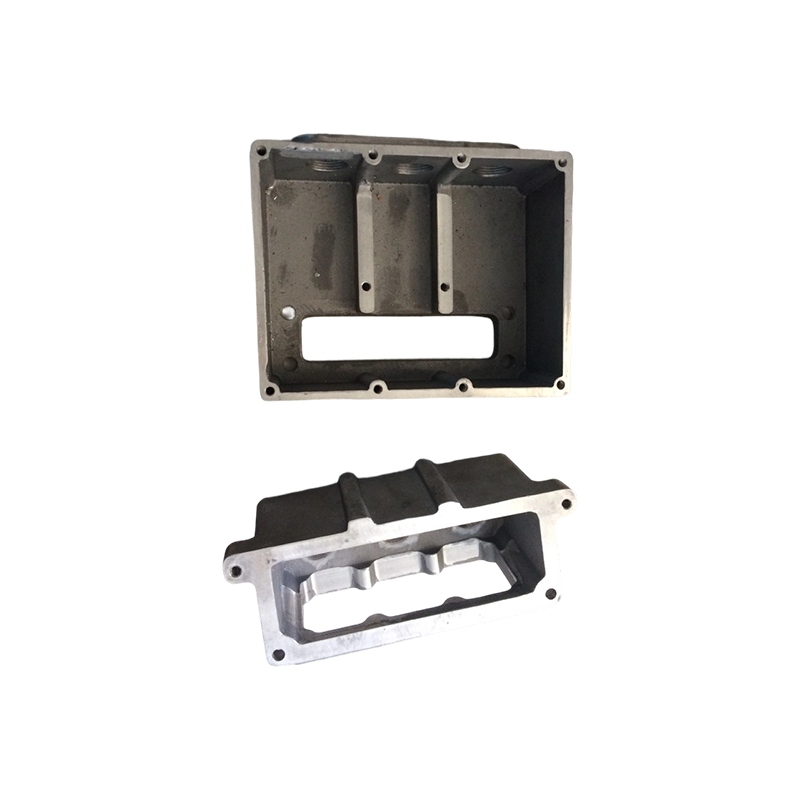
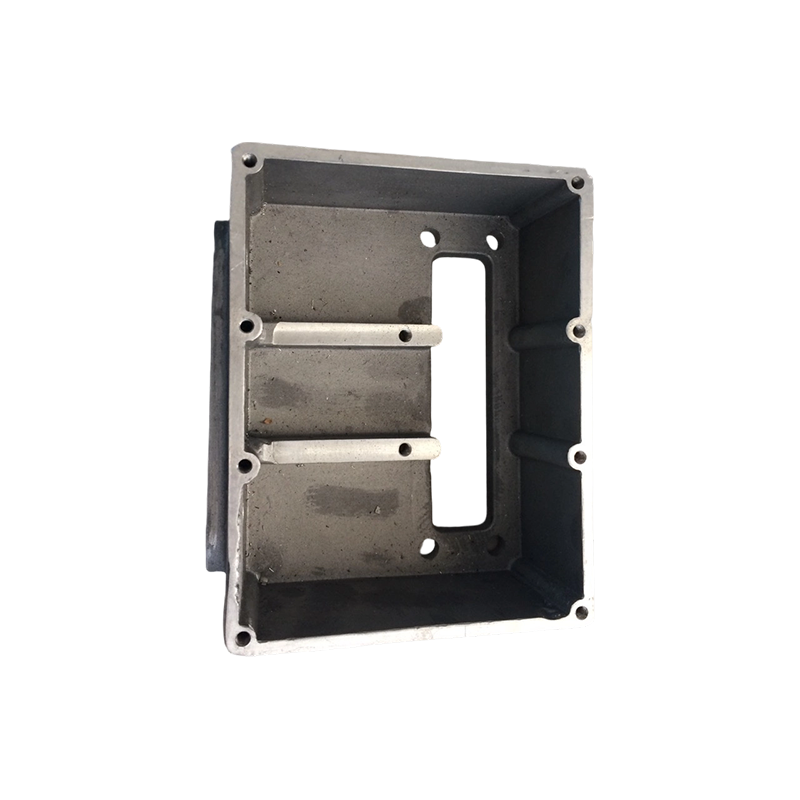
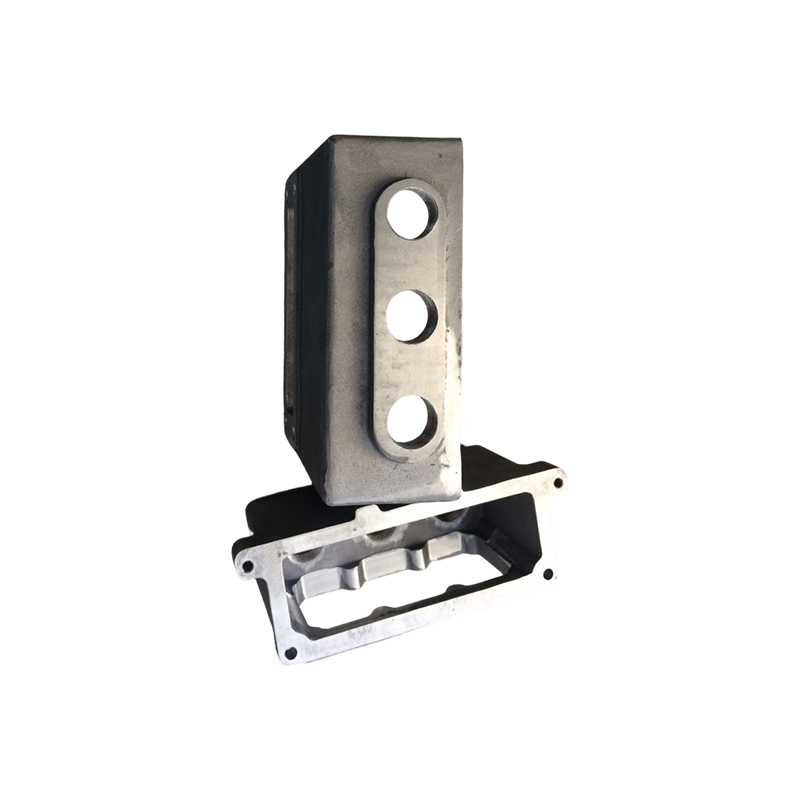
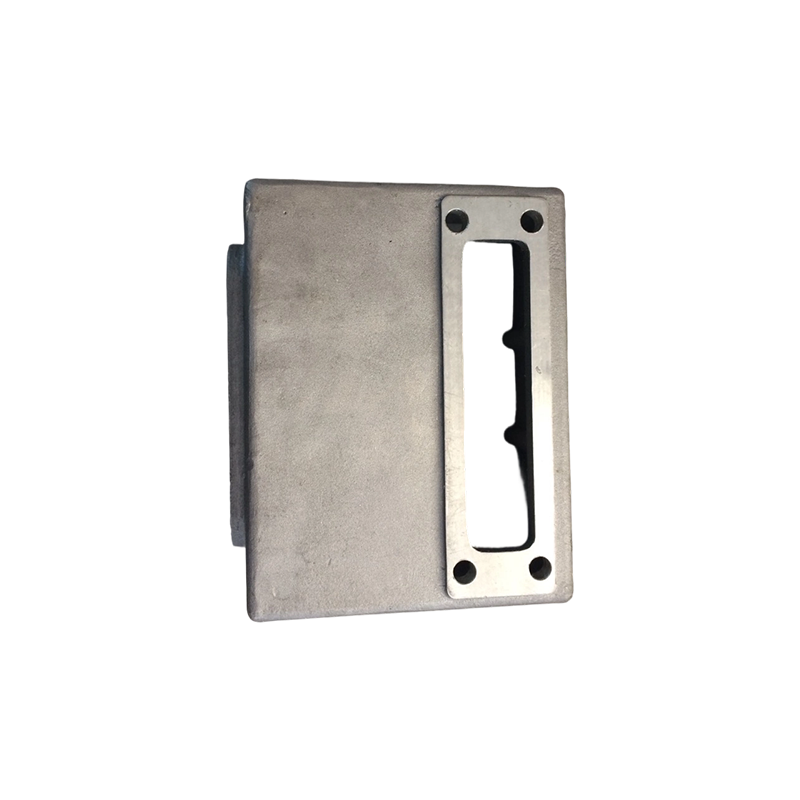
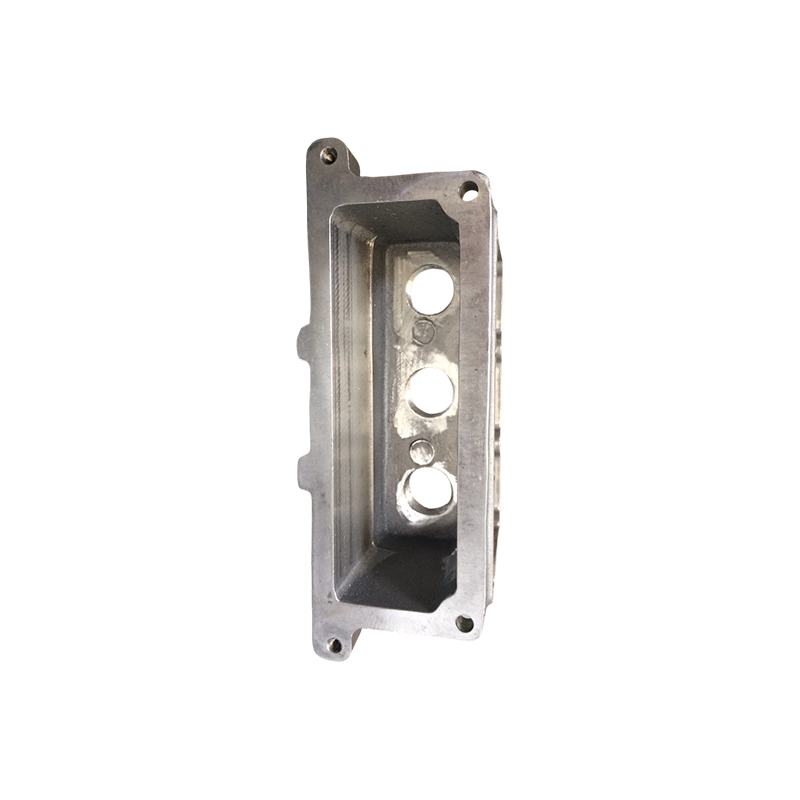
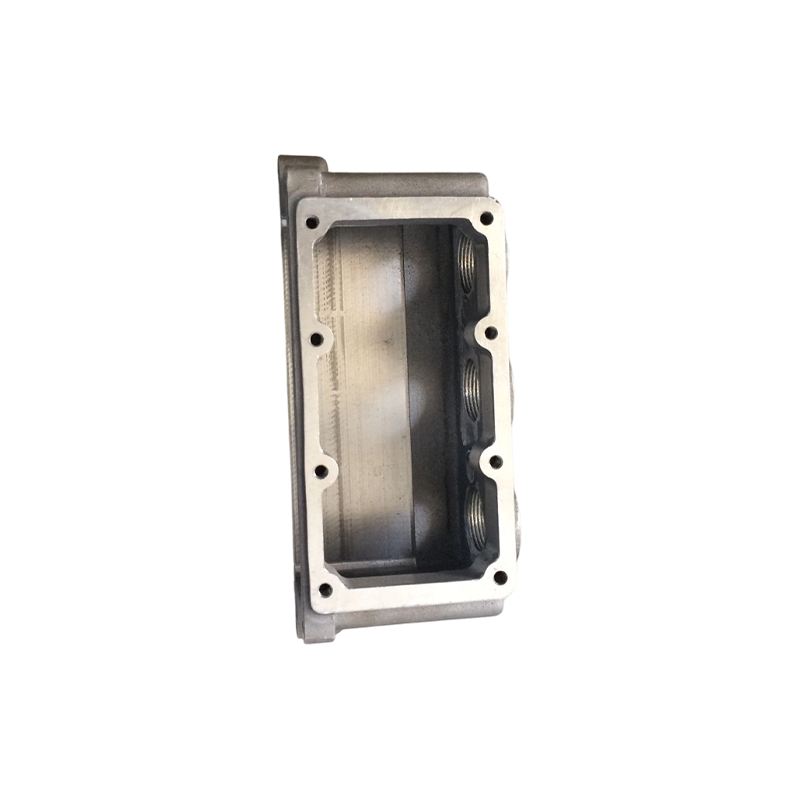
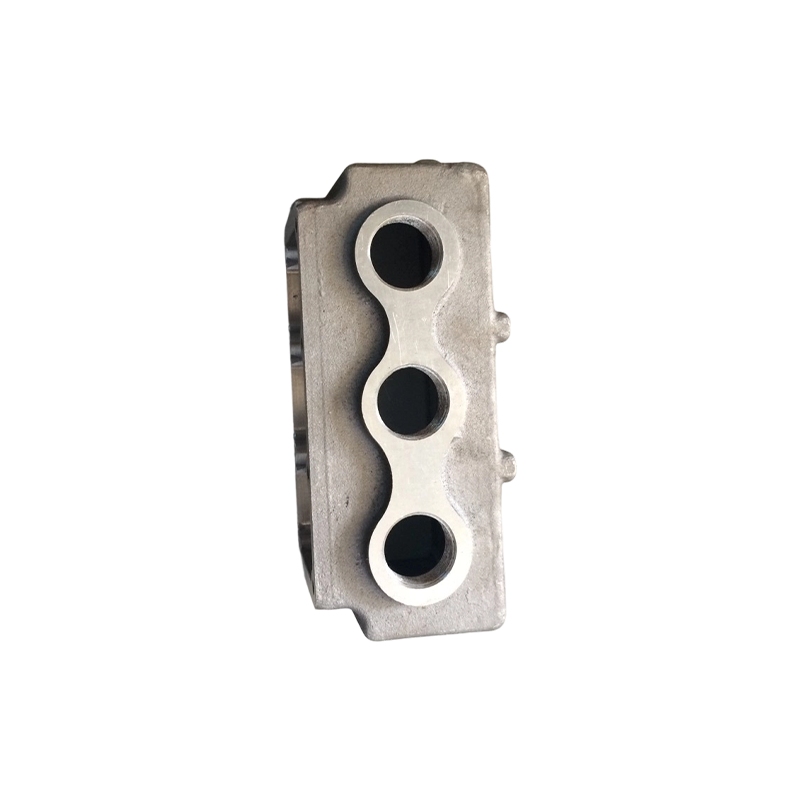
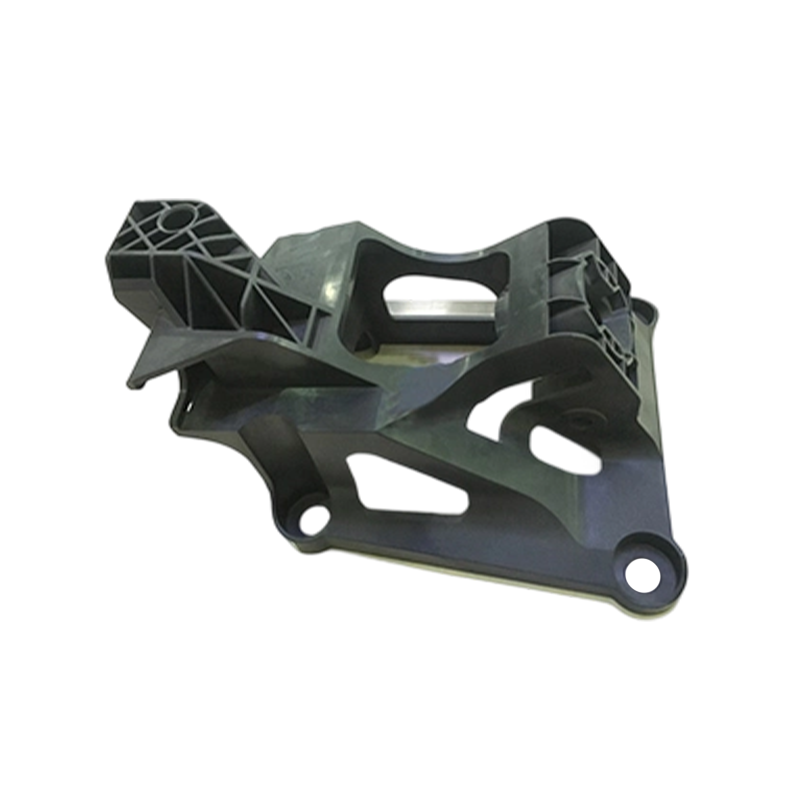
High-Pressure Casting Components are manufactured by injecting molten metal into a mold cavity under high pressure and high speed, allowing manufacturers to create thin-wall structures, complex geometries, and lightweight designs. Compared with low-pressure processes, this technology focuses on rapid production cycles and high dimensional accuracy. More details about this manufacturing process can be found through high-pressure casting components.
The mechanical strength of cast components depends on many factors, including material selection, internal structure, porosity control, heat treatment capability, and production precision. Understanding the differences between different casting categories helps engineers select the appropriate manufacturing process for automotive, aerospace, medical, and industrial applications.
High-pressure casting components: high-speed forming with structural efficiency
High-pressure casting components represent a manufacturing category designed for large-scale production where speed, consistency, and lightweight structures are critical. The process uses powerful injection force to rapidly fill the mold cavity, reducing production time while achieving excellent surface quality. Because molten metal flows quickly into complicated areas, manufacturers can create parts with thin walls and integrated structures that would be difficult to achieve through traditional casting methods.
The main mechanical advantage of High-Pressure Casting Components comes from their compact structure and accurate forming capability. High-speed filling can improve dimensional consistency and reduce machining requirements after casting. However, because the process involves rapid metal flow, controlling internal defects such as air entrapment and shrinkage is essential. Advanced production management and inspection systems are required to maintain stable mechanical properties.
Typical applications include automotive engine housings, transmission cases, electronic equipment frames, communication equipment structures, and heat dissipation components. These parts usually require a balance between strength, weight reduction, and manufacturing efficiency. High-pressure casting is particularly suitable for industries that need thousands or millions of identical components with consistent performance.
- Suitable for complex thin-wall designs and lightweight structures.
- Provides high production efficiency for large-volume manufacturing.
- Offers excellent surface finish and dimensional accuracy.
- Supports integrated component designs that reduce assembly requirements.
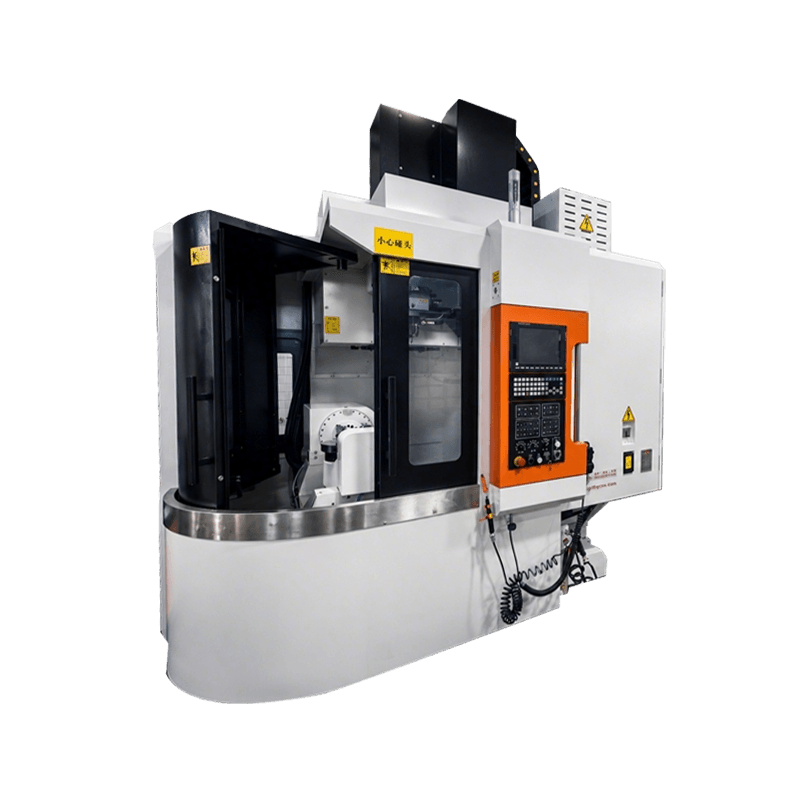
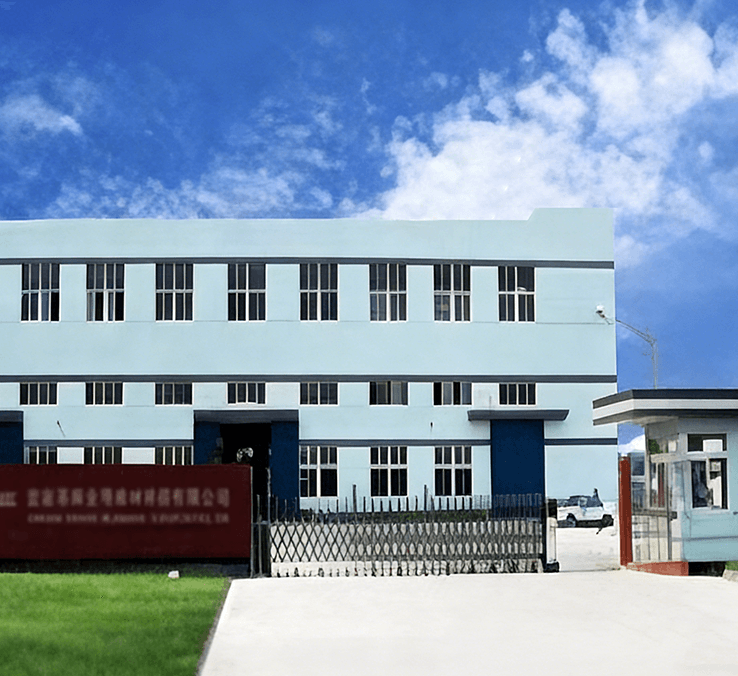
Suzhou Kokosili International Trading Co., Ltd. provides high-precision components and advanced processing capabilities for industries including new energy, medical equipment, automated logistics, and aerospace. With a 10,000-square-meter precision casting factory and a 9,000-square-meter CNC machining and assembly facility, the company can support customized manufacturing requirements from casting production to precision machining.
Low-pressure casting components: controlled filling for improved material consistency
Low-pressure casting components are produced by using controlled pressure to push molten metal upward into a mold cavity. Unlike high-pressure casting, the filling speed is slower and more stable, allowing the molten material to enter the mold with reduced turbulence. This process helps minimize air mixing and improves the internal quality of the final component.
The mechanical strength of low-pressure casting components is often associated with better internal density and reduced porosity. Since the filling process is more gradual, the metal flow is easier to control, making it suitable for parts requiring reliable structural integrity. Although production speed is generally lower than high-pressure casting, low-pressure casting can provide advantages in applications where strength and durability are more important than manufacturing volume.
Common applications include structural automotive parts, industrial equipment housings, large mechanical components, and products requiring enhanced fatigue resistance. Low-pressure casting is frequently selected when engineers prioritize stable mechanical performance over extremely fast production cycles.
| Comparison Item | High-pressure casting components | Low-pressure casting components |
| Production method | High-speed metal injection under strong pressure | Controlled filling with lower pressure |
| Production efficiency | High efficiency for mass production | Moderate efficiency for specialized parts |
| Mechanical characteristics | Good strength-to-weight ratio and dimensional accuracy | Excellent internal consistency and durability |
| Typical applications | Engine housings, electronic frames, heat sinks | Structural parts and heavy-duty components |
For manufacturers comparing casting technologies, the selection depends on production requirements, component geometry, expected service conditions, and quality standards. Neither process completely replaces the other because each category provides different engineering advantages.
Precision casting solutions: combining casting technology with machining capability
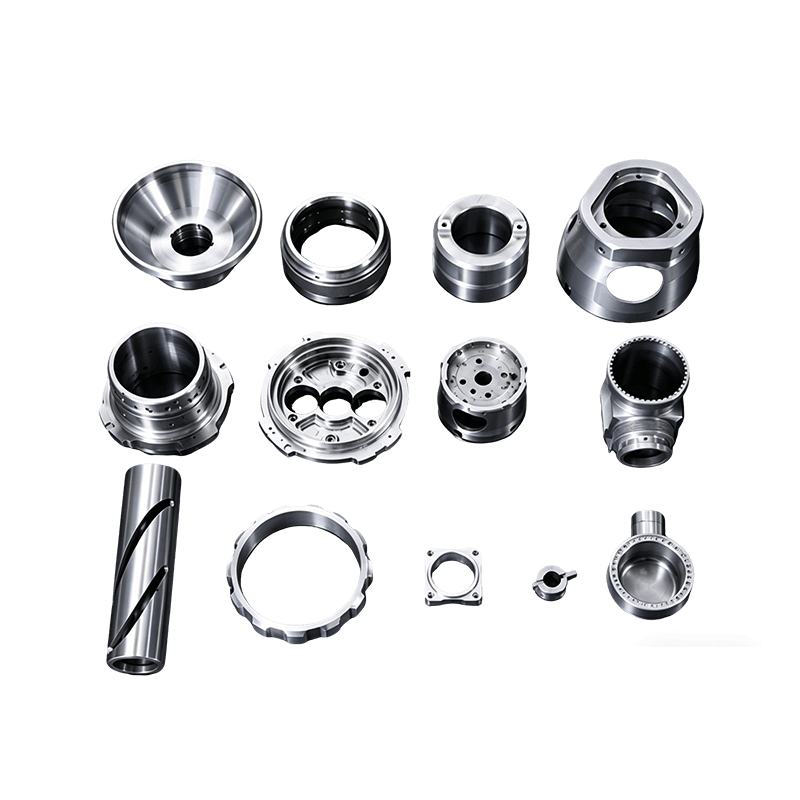
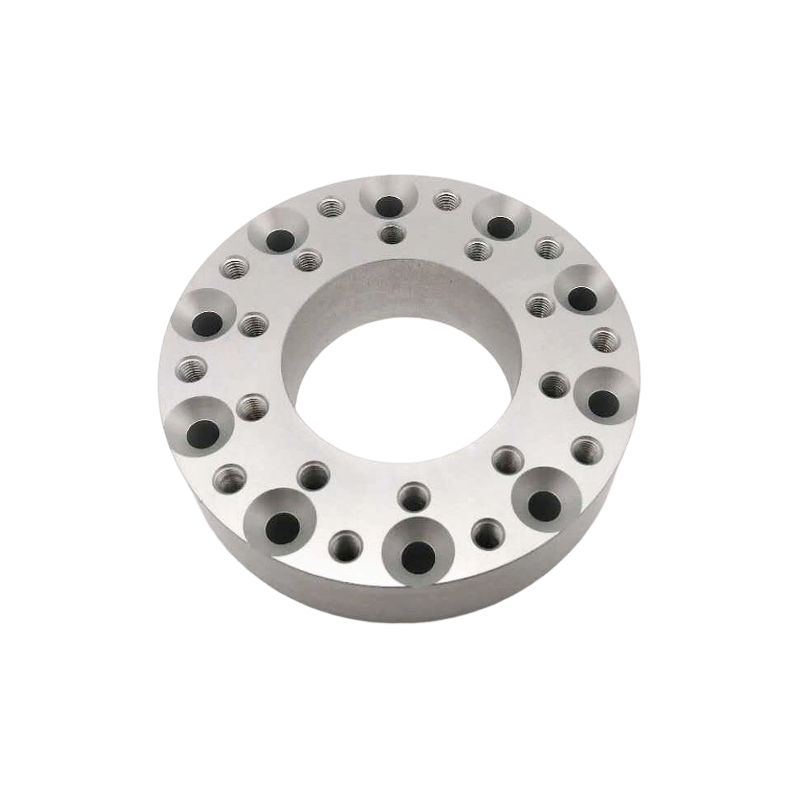
Precision casting solutions integrate casting processes with secondary manufacturing technologies such as CNC machining, surface treatment, inspection, and assembly. This approach allows manufacturers to improve the accuracy and reliability of finished components. In modern industrial production, customers often require not only a cast part but also a complete manufacturing process that ensures stable performance throughout the product lifecycle.
Suzhou Kokosili International Trading Co., Ltd. focuses on providing integrated manufacturing services, including precision casting, sheet metal processing, and customized component production. The company applies efficient production management methods supported by ERP data management and intelligent warehousing systems. These capabilities help improve production coordination and allow faster responses to customer-specific requirements.
In industries such as energy storage systems, AI server infrastructure, data center temperature control modules, and precision equipment manufacturing, casting components must meet strict requirements for reliability and consistency. By combining casting expertise with machining technology, manufacturers can achieve better dimensional control and provide components suitable for demanding industrial environments.
- Analyze component requirements, including mechanical load, geometry, and production quantity.
- Select suitable casting technology based on strength requirements and manufacturing efficiency.
- Optimize mold design and production parameters to improve component consistency.
- Apply machining and inspection processes to ensure final product accuracy.
The difference between various casting categories is not only related to production speed but also involves structural performance, application requirements, and long-term reliability. Choosing the correct process allows manufacturers to achieve a better balance between cost efficiency and mechanical performance.
Mechanical strength comparison between different casting categories
When evaluating mechanical strength, engineers usually consider tensile performance, impact resistance, fatigue behavior, and structural stability. High-pressure Casting Components provide advantages in lightweight design and high-volume manufacturing, while low-pressure casting components often provide better internal quality control. The final performance depends on material selection, process control, and post-processing methods.
For applications requiring compact structures and fast production, high-pressure casting is often preferred. For applications requiring thicker sections and stable internal structures, low-pressure casting may provide better performance. Precision casting services that combine multiple manufacturing capabilities can help customers select suitable processes according to actual operating conditions.
Frequently Asked Questions
Q1: What is the main difference between high-pressure casting components and low-pressure casting components?
The main difference is the metal filling method. High-pressure casting uses rapid injection under strong pressure for efficient mass production, while low-pressure casting uses controlled filling to improve internal consistency and structural reliability.
Q2: Are high-pressure casting components strong enough for industrial applications?
Yes. High-Pressure Casting Components can provide excellent mechanical performance when the process is properly controlled. They are widely used in automotive, electronic, industrial, and energy-related applications where lightweight and precise structures are required.
Q3: Which casting method is better for customized precision components?
The suitable method depends on component requirements. High-pressure casting is suitable for complex shapes and high-volume production, while low-pressure casting is suitable for applications requiring enhanced internal quality and structural strength.
Q4: How does Suzhou Kokosili International Trading Co., Ltd. support casting projects?
Suzhou Kokosili International Trading Co., Ltd. provides integrated manufacturing services through precision casting, CNC machining, assembly, ERP management, and intelligent warehousing systems. These capabilities help customers obtain customized components with consistent quality and efficient production management.
