

 English
  русский
  عربى
عربى 



How Do OEM and Aftermarket Components Differ in Quality and Certification?
The distinction between OEM (Original Equipment Manufacturer) and aftermarket components is one of the most critical considerations in the automotive industry. While both serve the same functional purpose—replacing or upgrading vehicle parts—they diverge significantly in quality standards, certification processes, supply chain traceability, and performance guarantees.
Core Differences at a Glance
| Aspect | OEM Components | Aftermarket Components |
| Definition | Parts manufactured by or for the original vehicle brand, identical to those installed at the assembly line | Parts produced by third-party manufacturers, designed to fit and function like OEM parts but not sold under the vehicle brand name |
| Quality Standards | Strict adherence to automaker's proprietary specifications; must pass same validation tests as production-line parts | Vary widely—from "certified" (meeting or exceeding OEM specs) to "economy" (minimum fit and function) |
| Certification | Automaker-branded packaging with full traceability; often include IATF 16949 (automotive quality management) certification from approved suppliers | May carry independent certifications like CAPA (Certified Automotive Parts Association) or TÜV, but not all aftermarket parts are certified |
| Materials & Manufacturing | Exact match to original design—same alloys, coatings, heat treatments, and machining tolerances | Can use alternative materials or simplified processes to reduce cost; tolerances may be looser |
| Testing & Validation | Subject to full DV/PV (Design Validation / Product Validation) cycles, including durability, corrosion, NVH, and crash safety tests | Typically tested for fit and function; may not undergo the same rigorous environmental or safety validation |
| Warranty | Backed by the vehicle manufacturer's warranty (often 12–24 months or more) | Warranty varies by brand; typically 12–24 months but with more exclusions |
| Price | Premium pricing (includes R&D, tooling, and brand markup) | Generally 20–50% lower than OEM, though premium aftermarket brands can approach OEM pricing |
| Availability | Available through franchised dealers; may have longer lead times for older models | Widely available through retail chains, online platforms, and independent workshops |
Certification Frameworks: What to Look For
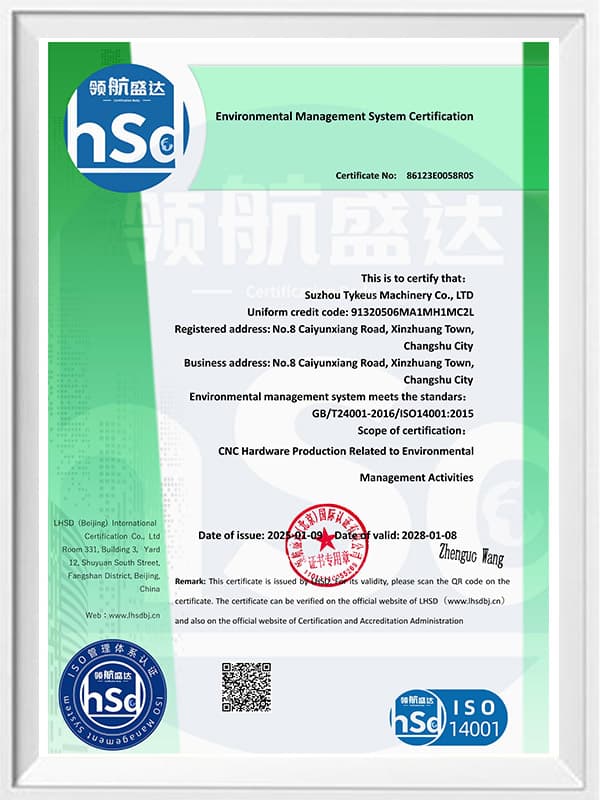
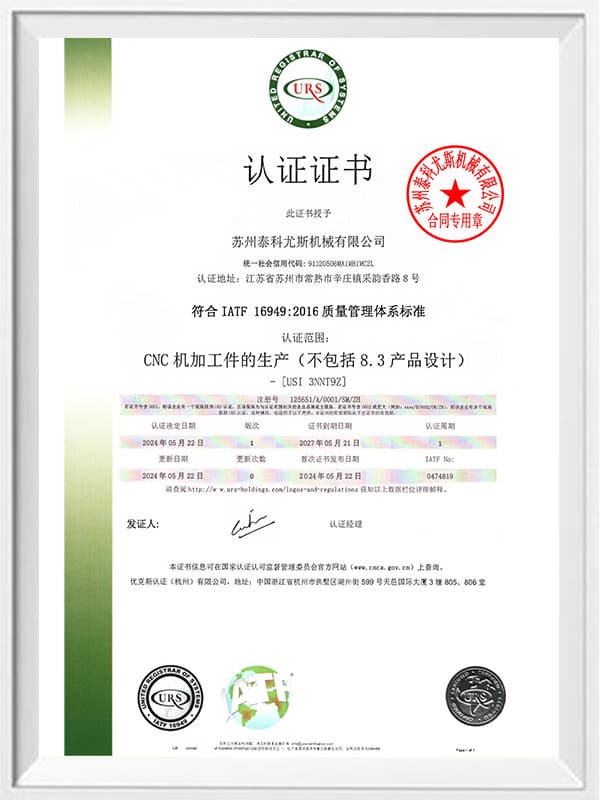
- IATF 16949: The global automotive quality management standard required for OEM suppliers. It emphasizes defect prevention, continuous improvement, and supply chain consistency.
- CAPA (Certified Automotive Parts Association): A U.S.-based independent certification for aftermarket parts, verifying that parts meet OEM fit, form, and function through rigorous testing.
- TÜV / ECE R: European certifications that may apply to both OEM and aftermarket components, particularly for safety-critical parts like lighting, brakes, and suspension.
- OEM-Specific Approvals: Many automakers (e.g., VW Group, Toyota, GM) maintain proprietary supplier approval lists. Only parts from these approved sources carry the automaker's part number and full warranty coverage.
The Quality-Cost Trade-Off
Choosing between OEM and aftermarket is rarely a simple decision. For safety-critical systems—such as braking, steering, and airbag components—OEM parts are overwhelmingly recommended because certification traceability and validation history are verifiable. For non-critical trim, filters, or wear items like brake pads, high-quality aftermarket parts from reputable manufacturers can offer excellent value without compromising safety.
However, the aftermarket landscape is fragmented. Parts from uncertified, low-cost manufacturers may suffer from premature wear, poor fitment, or even failure under extreme conditions. Conversely, some aftermarket brands actually exceed OEM specifications in performance-oriented applications (e.g., performance brake rotors, reinforced suspension components).
Key Insight: The difference is not simply "OEM = good, aftermarket = bad." Rather, the critical factor is verifiable certification and supplier reputation. A premium aftermarket part with CAPA or TÜV certification can be a reliable alternative, while an uncertified "budget" part carries significant risk.
About Suzhou Kokosili International Trading Co., Ltd.
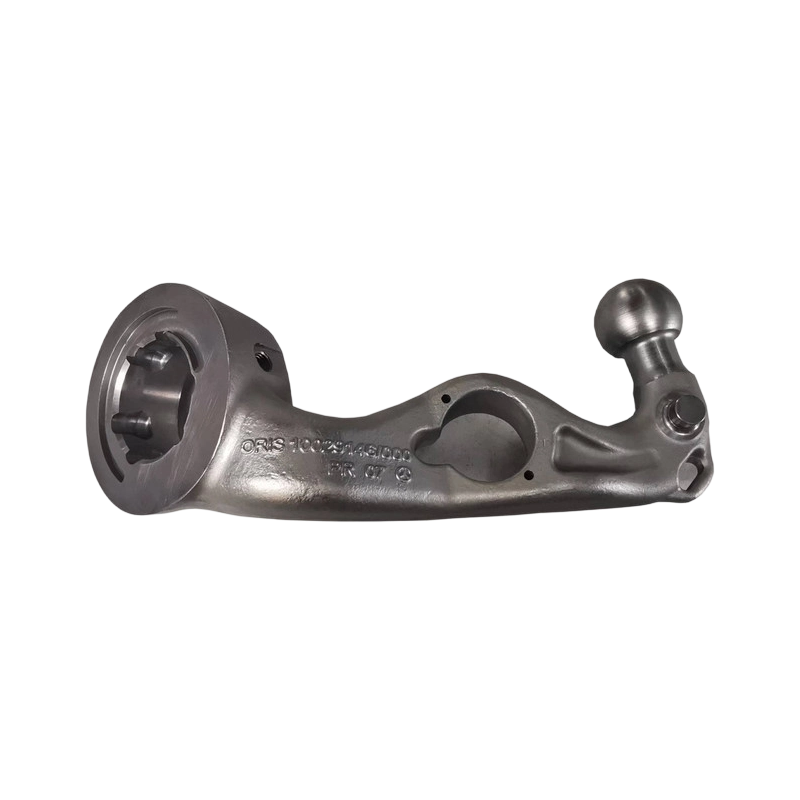
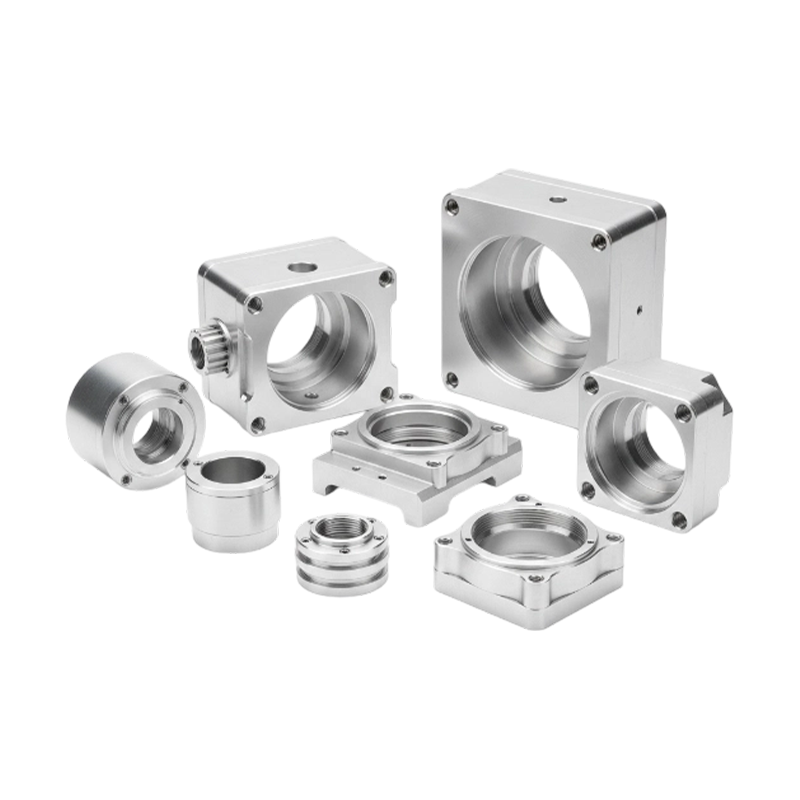
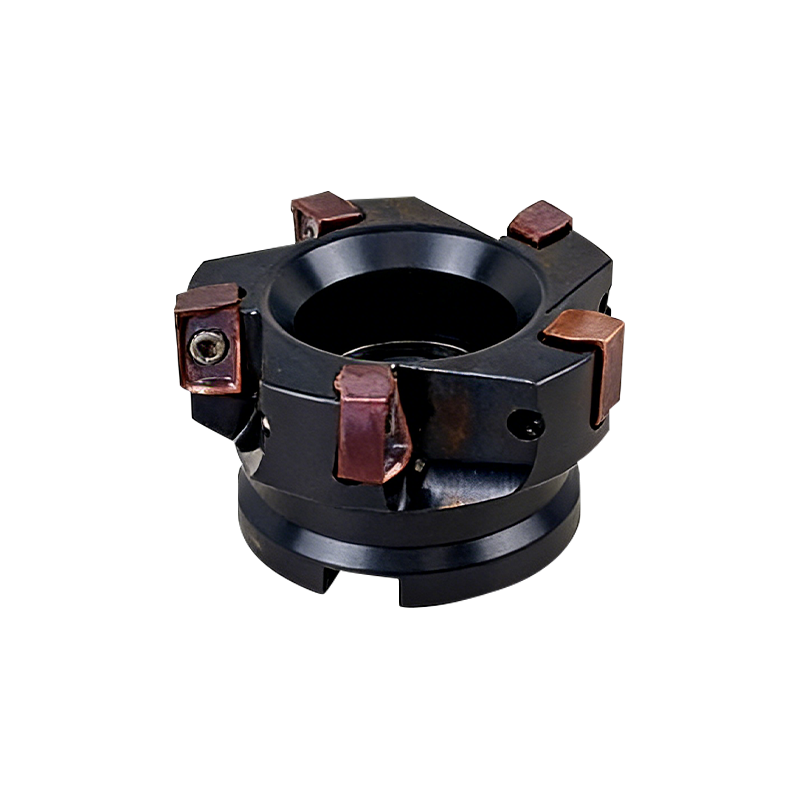
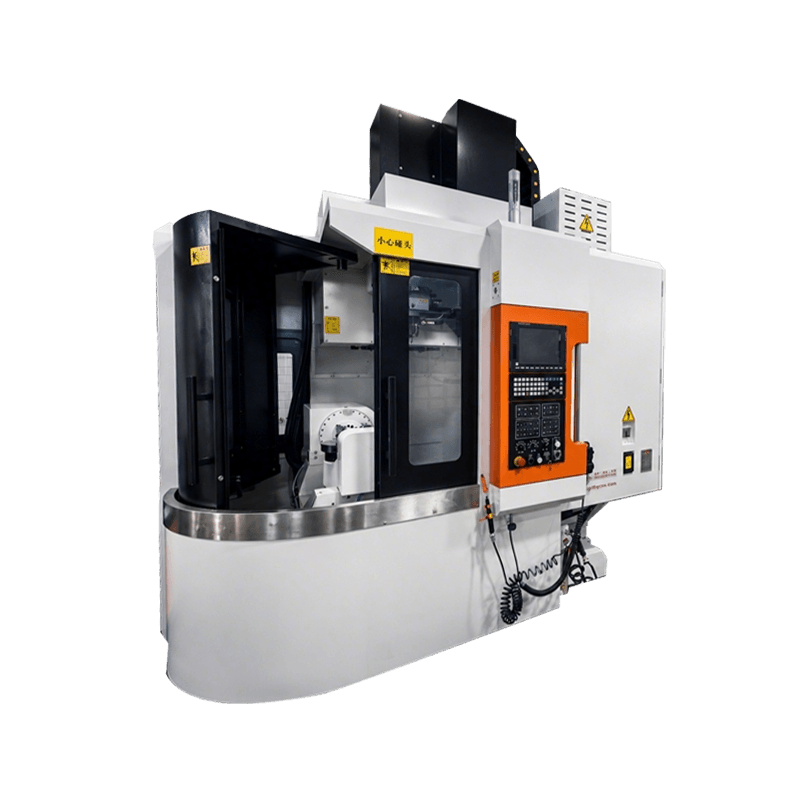
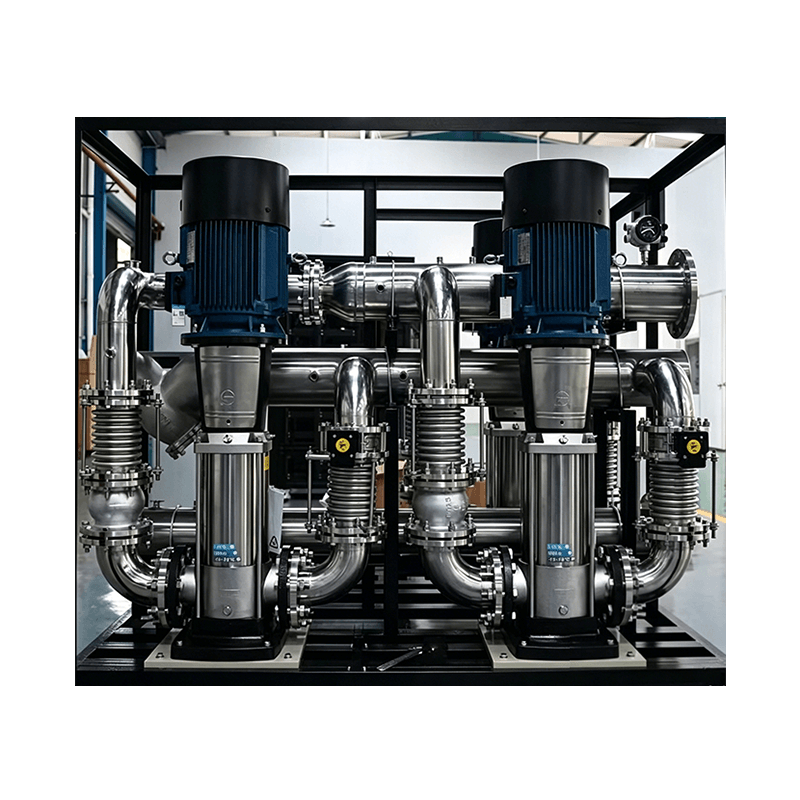
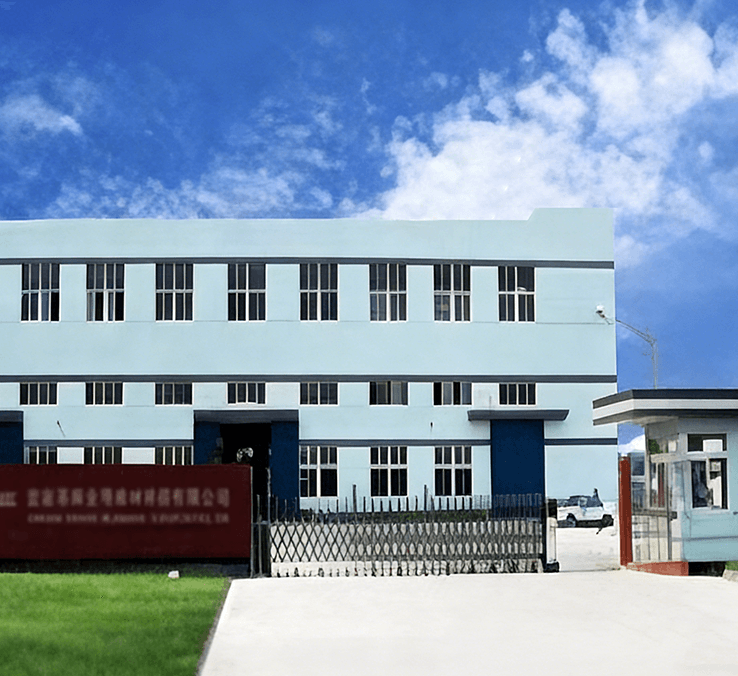
Suzhou Kokosili International Trading Co., Ltd. specializes in providing high-precision components and sheet metal processing for industries including new energy, medical, automated logistics, aerospace, and more. We are China Custom High-Precision Components And Sheet Metal Processing Manufacturers, Factory. Our products include liquid cooling systems, energy storage modules, AI servers, data center temperature control modules, cutting tools, and precision machining equipment. The company operates a 9,000m² CNC machining and assembly plant and a 10,000m² precision casting factory. With an efficient production management model, we offer customized services and complete solutions to meet our clients' specific needs.
All three enterprises are fully owned and operated by our group, with well-defined business divisions and integrated operations. Cocosili functions as our dedicated international trade hub, managing global customer cooperation, export customs clearance, foreign exchange settlement and overseas brand promotion.
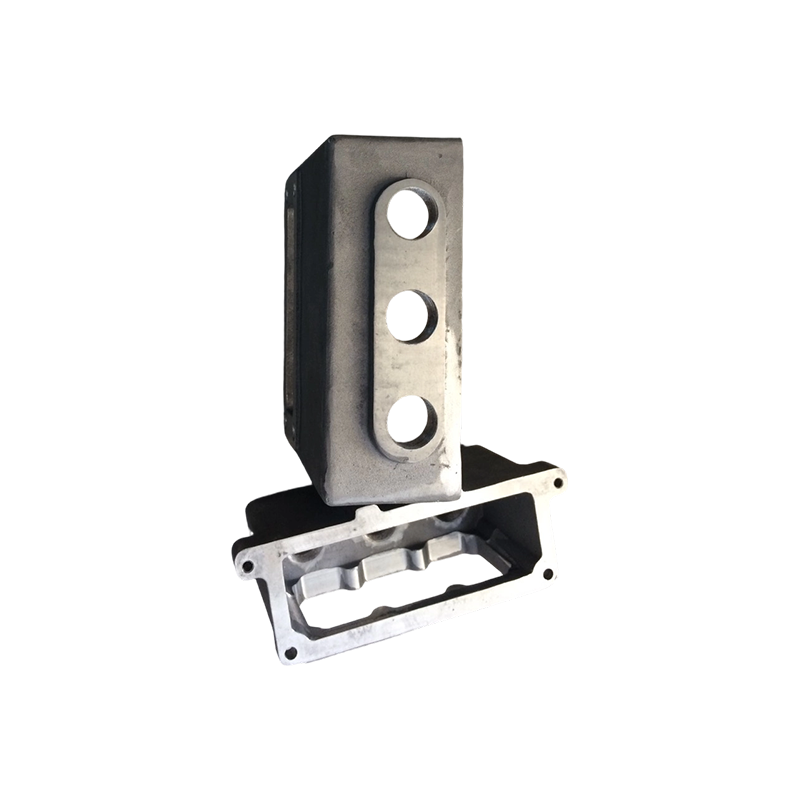
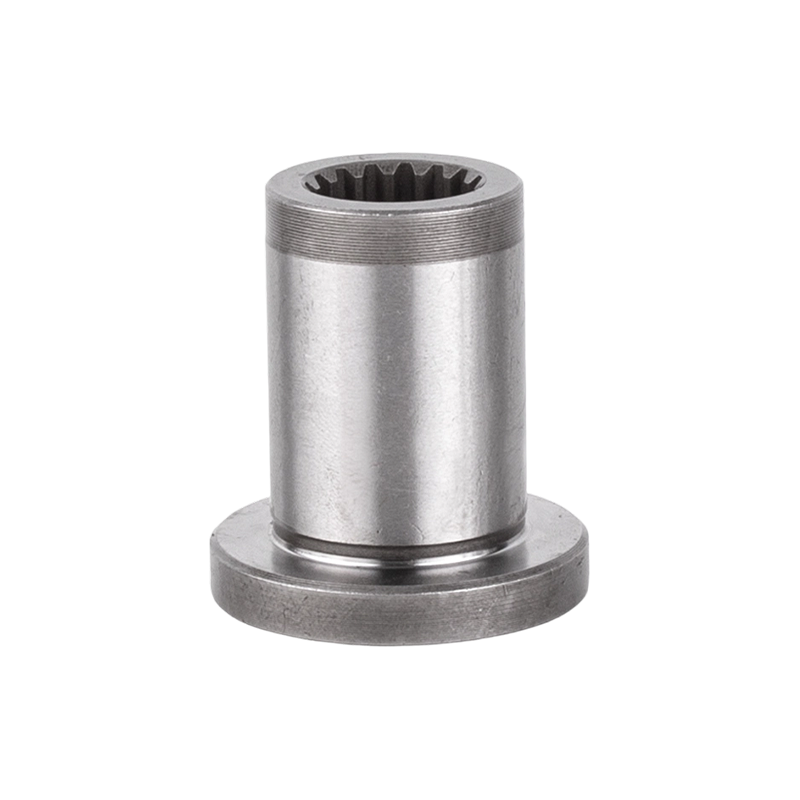
Techuse Machinery is our core manufacturing facility. It focuses on R&D, precision processing and mass production, covering liquid cooling pipelines, water distributors, custom CNC machined components and precision casting parts.
SEMICH Precision Technology specializes exclusively in the sales, selection guidance and technical support of CNC cutting tools and supporting industrial supplies.
By unifying in-house manufacturing, professional tool supply and global export services, we deliver reliable one-stop solutions for clients worldwide.
FAQs
Q1: Does Suzhou Kokosili International Trading Co., Ltd. supply components that meet OEM automotive quality standards?
Yes. With our 9,000m² CNC machining and assembly plant and 10,000m² precision casting factory, we manufacture high-precision components that meet the stringent tolerance and material requirements typical of OEM-grade automotive parts. Our integrated group structure—Techuse Machinery for precision manufacturing, SEMICH Precision Technology for cutting tool support, and Suzhou Kokosili International Trading Co., Ltd. for global trade—ensures full quality control from raw material sourcing to final delivery. We can support IATF 16949-compliant production upon request, and our experience across new energy, medical, and aerospace sectors demonstrates our capability to deliver the rigorous quality levels that automotive OEMs demand.
Q2: How can I trust that aftermarket components from your company are reliable and properly certified?
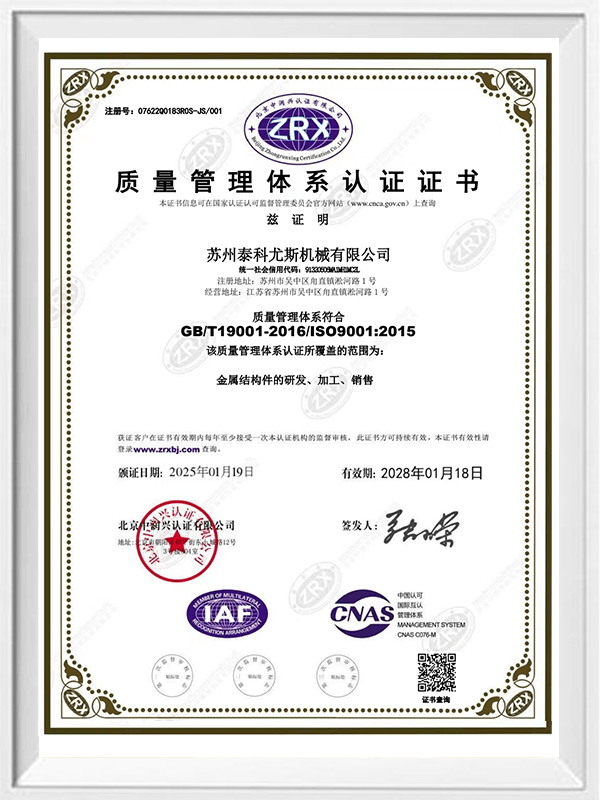
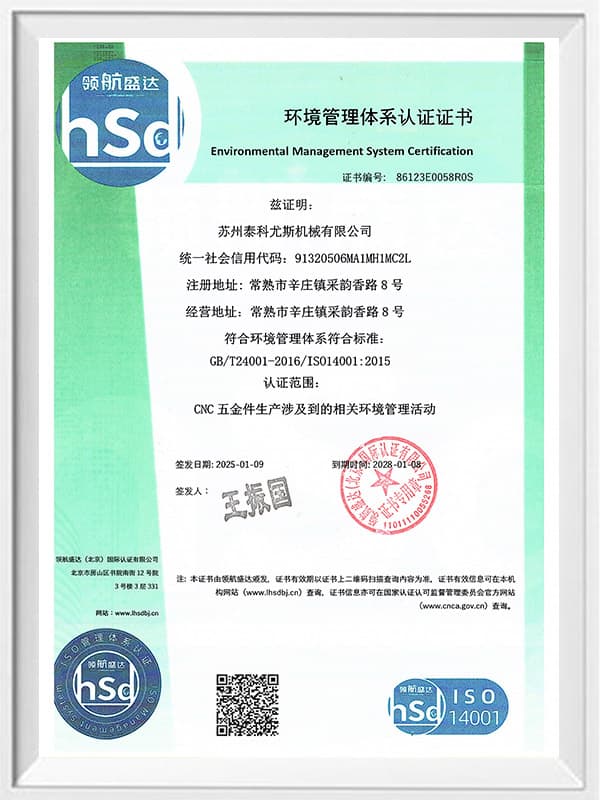
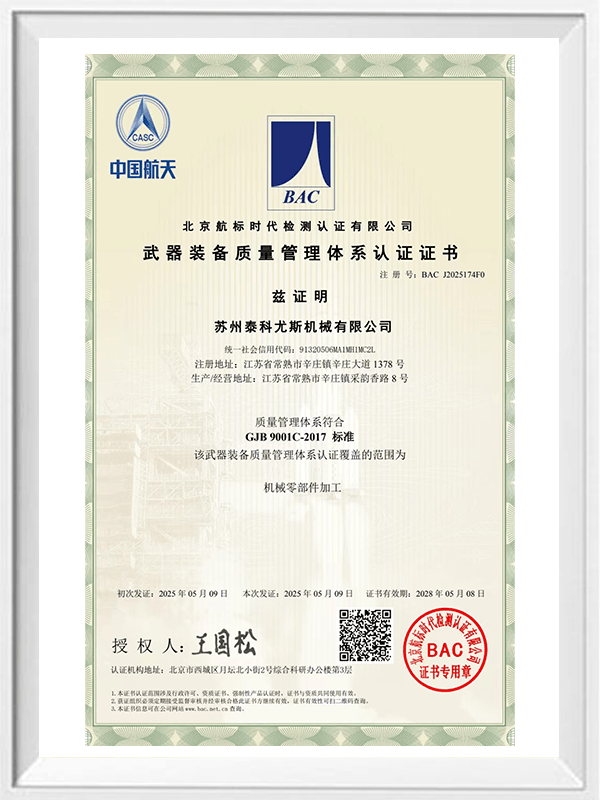
We understand that certification and traceability are paramount in the automotive industry. Our manufacturing facilities operate under strict quality management systems, and we offer full documentation support—including material certificates, dimension reports, and process control records. While we are not an automaker-branded OEM supplier, our expertise in high-precision machining and casting enables us to produce aftermarket components that match or exceed OEM specifications. For customers requiring third-party certification, we can coordinate testing and validation through accredited laboratories. Our commitment is to transparency: we provide clear specifications, material traceability, and performance data so that you can make an informed decision.
Q3: Can Suzhou Kokosili International Trading Co., Ltd. help with component obsolescence or custom solutions for legacy automotive platforms?
Absolutely. Many vehicle platforms remain in service for decades—especially in commercial, fleet, and specialty applications—while OEM production lines for those parts are discontinued. Our group's vertically integrated model uniquely positions us to address this challenge. Through Techuse Machinery's R&D and precision processing capabilities, we can reverse-engineer obsolete components, re-produce custom castings or CNC-machined parts, and supply them in small or medium volumes. SEMICH Precision Technology ensures that the cutting tools and consumables required for production are always available. And Suzhou Kokosili International Trading Co., Ltd. manages the global logistics and export compliance. Whether you need a drop-in replacement for a discontinued part or a custom-designed upgrade, we offer end-to-end solutions that bridge the gap between legacy requirements and modern manufacturing.
