

 English
  русский
  عربى
عربى 



What Differentiates Military-Grade from Commercial Components?
The fundamental distinction lies in design philosophy, testing rigor, and lifecycle expectations rather than performance alone. Military-grade components are engineered for mission-critical reliability under extreme conditions, while commercial counterparts prioritize cost-effectiveness and rapid iteration.
Key Differentiators at a Glance
| Aspect | Military-Grade | Commercial (COTS) |
| Design Philosophy | Risk avoidance through rigorous testing | Risk management via statistical process control |
| Materials | High-strength alloys, precision-machined shells with corrosion-resistant finishes (cadmium, zinc-nickel) | Thinner metals, molded plastics, simpler designs |
| Environmental Testing | MIL-STD-810 (shock, vibration, salt fog, temperature extremes, humidity), MIL-STD-461 (EMI/EMC) | General IEC/UL specifications for ambient conditions |
| Durability Thresholds | Salt fog exposure: 48–72 hours; Temperature range: -65°C to +200°C; Extreme shock/vibration (gunfire, rocket launch tests) | Basic environmental resistance; not tested to military extremes |
| Lifecycle | Decades of production support for legacy systems | Rapid refresh cycles (every few years) |
| EMI/EMC Shielding | Full 360° shielding, conductive gaskets, certified to MIL-STD-461 | Limited or no EMI shielding; basic FCC/IEC limits |
| Cost | High (small-volume production, extensive qualification) | Low (high-volume production) |
| Testing Approach | Finished part testing, qualification of each unit | Process control built into manufacturing; sample testing |
The COTS Paradox
Since the 1994 Perry Directive, U.S. military applications have increasingly adopted Commercial Off-The-Shelf (COTS) parts to leverage commercial innovation, lower costs, and improved availability. However, this creates a trade-off: modern commercial components often outperform military-spec parts in raw capability (faster processors, more memory) but lack the rigorous environmental qualification and long-term support guarantees that defense platforms require.
Key Insight: Military-grade does not always mean "higher performance" in the computing sense. A MIL-spec PC may have less RAM and a lower clock frequency than a commercial counterpart—it trades raw power for environmental survivability and reliability.
About Suzhou Kokosili International Trading Co., Ltd.
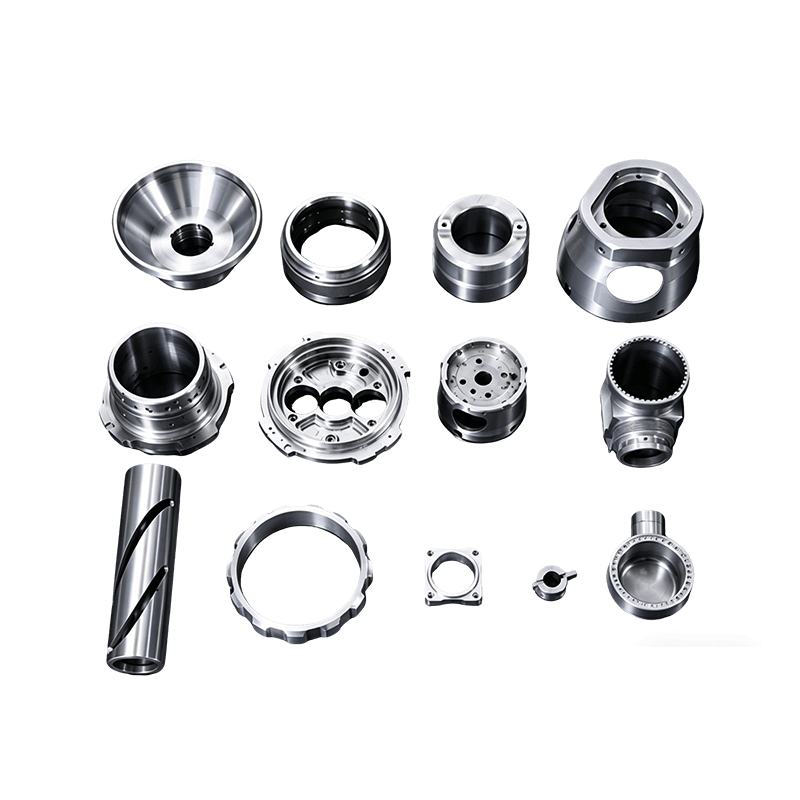
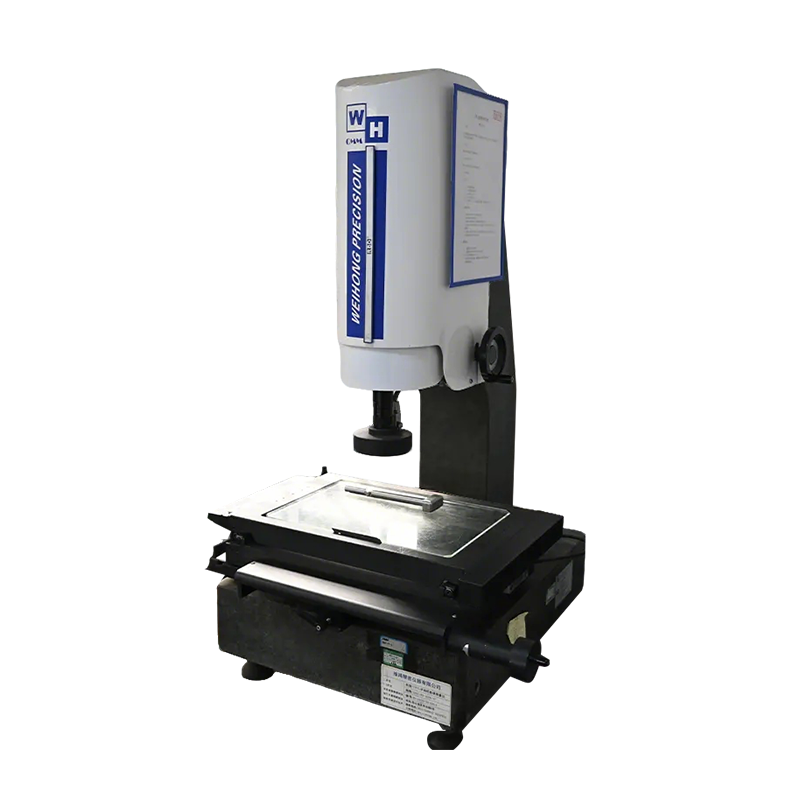
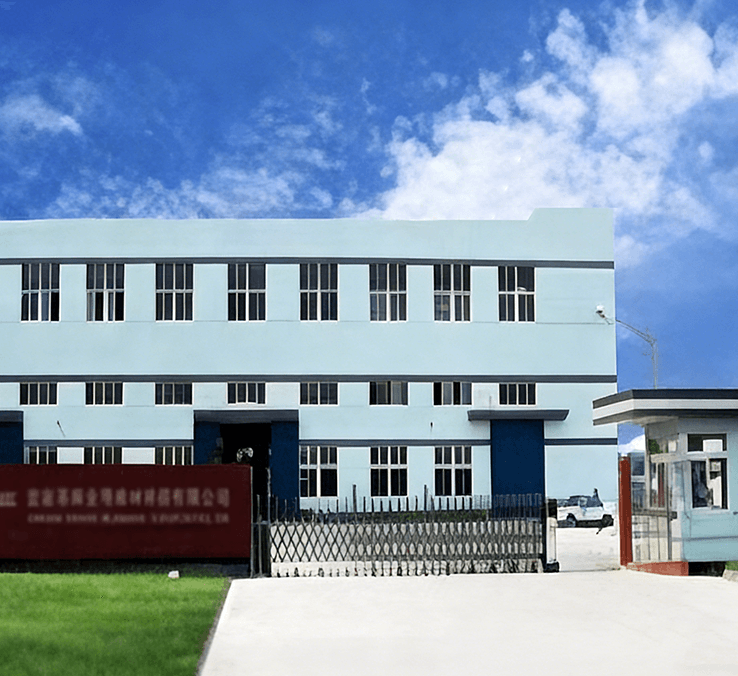
Suzhou Kokosili International Trading Co., Ltd. specializes in providing high-precision components and sheet metal processing for industries including new energy, medical, automated logistics, aerospace, and more. We are China Custom High-Precision Components And Sheet Metal Processing Manufacturers, Factory. Our products include liquid cooling systems, energy storage modules, AI servers, data center temperature control modules, cutting tools, and precision machining equipment. The company operates a 9,000m² CNC machining and assembly plant and a 10,000m² precision casting factory. With an efficient production management model, we offer customized services and complete solutions to meet our clients' specific needs.
All three enterprises are fully owned and operated by our group, with well-defined business divisions and integrated operations. Cocosili functions as our dedicated international trade hub, managing global customer cooperation, export customs clearance, foreign exchange settlement and overseas brand promotion.
Techuse Machinery is our core manufacturing facility. It focuses on R&D, precision processing and mass production, covering liquid cooling pipelines, water distributors, custom CNC machined components and precision casting parts.
SEMICH Precision Technology specializes exclusively in the sales, selection guidance and technical support of CNC cutting tools and supporting industrial supplies.
By unifying in-house manufacturing, professional tool supply and global export services, we deliver reliable one-stop solutions for clients worldwide.
FAQs
Q1: Does Suzhou Kokosili International Trading Co., Ltd. manufacture components that meet military-grade standards?
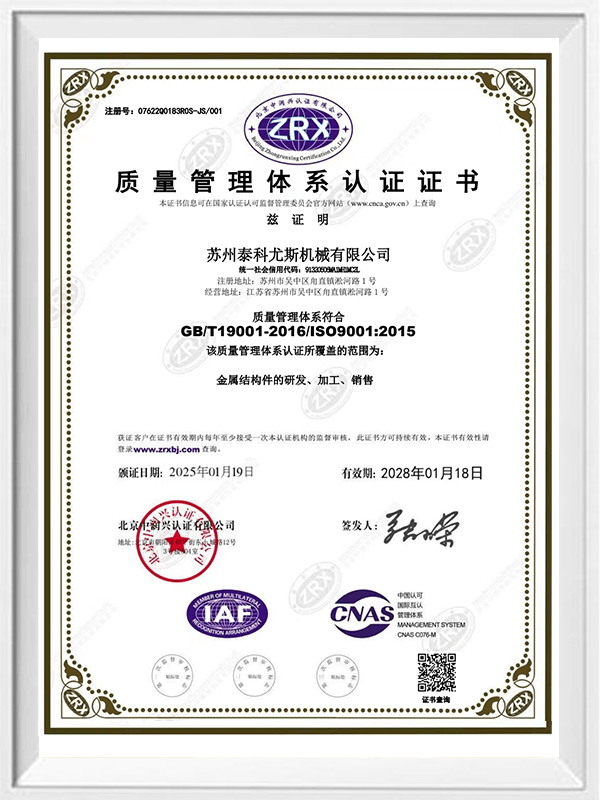
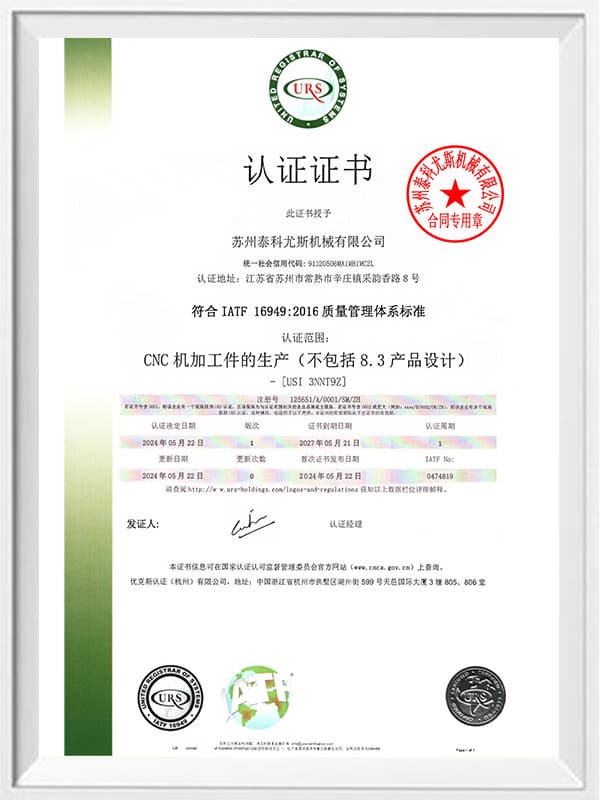
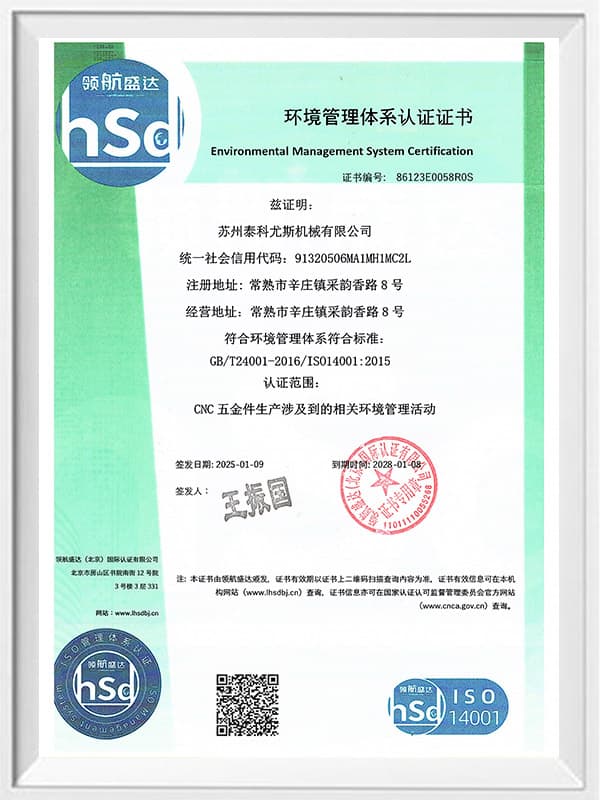
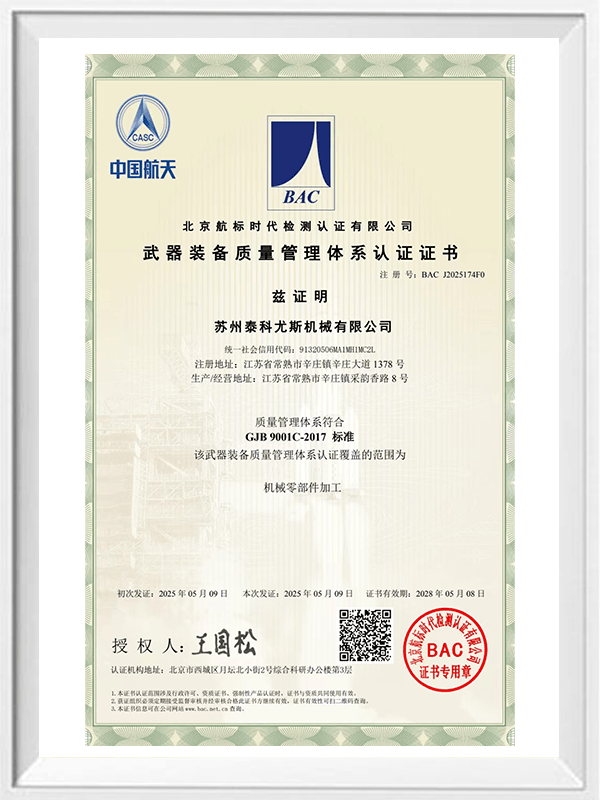
Yes. While our primary markets include new energy, medical, automated logistics, and aerospace, our manufacturing capabilities—including 9,000m² CNC machining and assembly plant and 10,000m² precision casting factory—are built to deliver high-precision components with tight tolerances and stringent quality control. Our facilities support customized solutions for applications requiring the durability and reliability often associated with military-grade specifications. For specific military-grade requirements, we can tailor production processes to meet your environmental and performance criteria.
Q2: How does your company ensure the reliability and quality required for mission-critical applications?
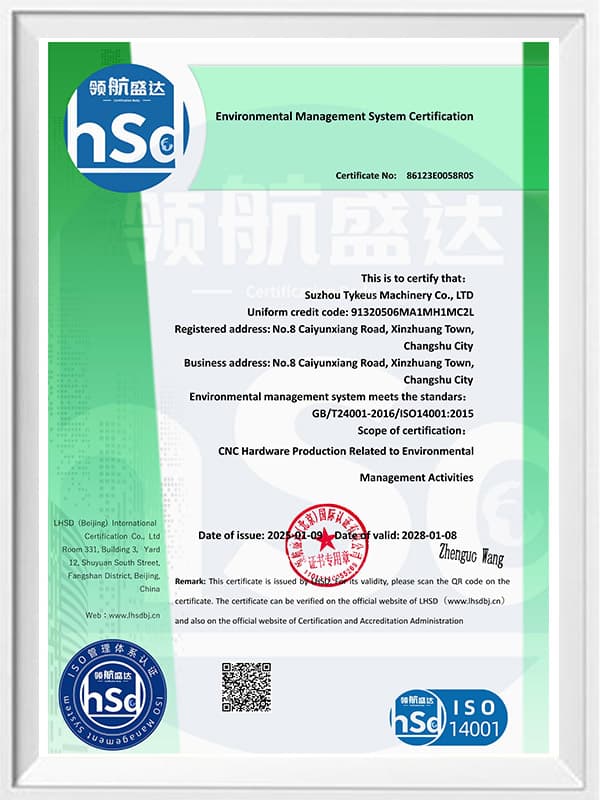
We operate under a vertically integrated model: Techuse Machinery handles core R&D, precision processing, and mass production; SEMICH Precision Technology provides professional cutting tool supply and technical support; and Suzhou Kokosili International Trading Co., Ltd. manages global export and customer relations. This integration ensures end-to-end quality control—from raw material selection to final delivery. Our facilities are equipped with advanced CNC machining and precision casting capabilities, supported by efficient production management to maintain consistency across high-volume and custom orders.
Q3: Can Suzhou Kokosili International Trading Co., Ltd. support component obsolescence management or legacy system replacements?
Absolutely. Component obsolescence is a critical challenge in military and aerospace sectors, where platforms remain in service for decades while commercial production lines are discontinued. Our group's integrated structure—combining in-house manufacturing, tool supply, and global trade—positions us to support legacy system requirements through reverse engineering support, custom re-production of obsolete parts, and alternative sourcing solutions. Whether you need a drop-in replacement for a discontinued component or a custom-designed alternative, we offer the technical expertise and manufacturing capacity to bridge the gap.
