

 English
  русский
  عربى
عربى 




What Are Precision Powder Metallurgy Components and Why Are They Important for Modern Manufacturing?
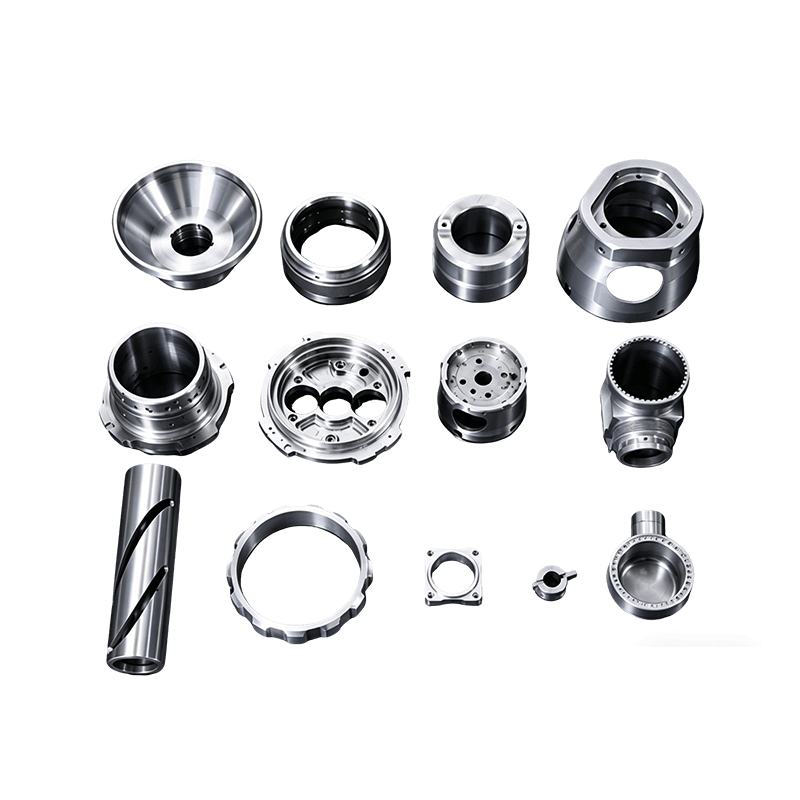
With the rapid development of industries such as new energy, aerospace, medical equipment, intelligent automation, and high-performance electronic products, manufacturers are placing increasingly higher demands on component performance. Although traditional machining methods can meet certain production requirements, they face challenges in terms of complex structures, miniaturized designs, precision control, and material utilization.
In this context, Precision Powder Metallurgy Components are becoming an important part of modern industrial manufacturing due to their high dimensional accuracy, excellent material performance, complex structure forming capabilities, and efficient production advantages.
Powder metallurgy technology uses metal powders as raw materials and produces components through processes such as molding, sintering, and post-processing. This method can effectively reduce material waste while enabling the production of complex geometries that are difficult to achieve through traditional machining. As a result, Precision Powder Metallurgy Components are widely used in applications such as new energy equipment, aerospace components, medical devices, and precision automation systems.
Suzhou Kokosili International Trading Co., Ltd. specializes in providing high-precision components and sheet metal processing solutions for industries including new energy, medical, automated logistics, and aerospace. With advanced manufacturing capabilities and integrated service solutions, the company helps customers achieve efficient and reliable component production.
What Are Precision Powder Metallurgy Components?
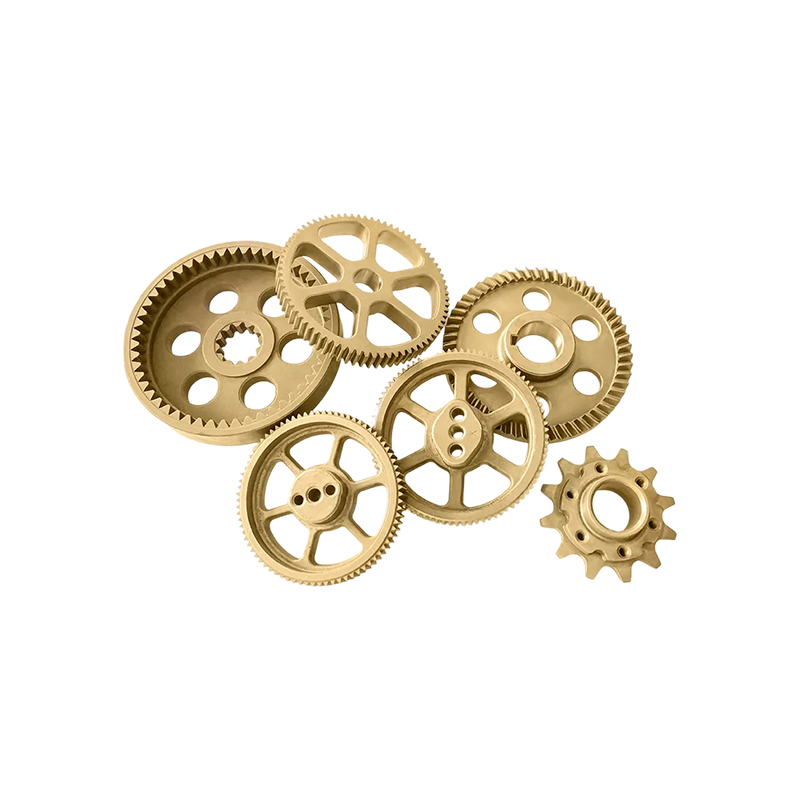
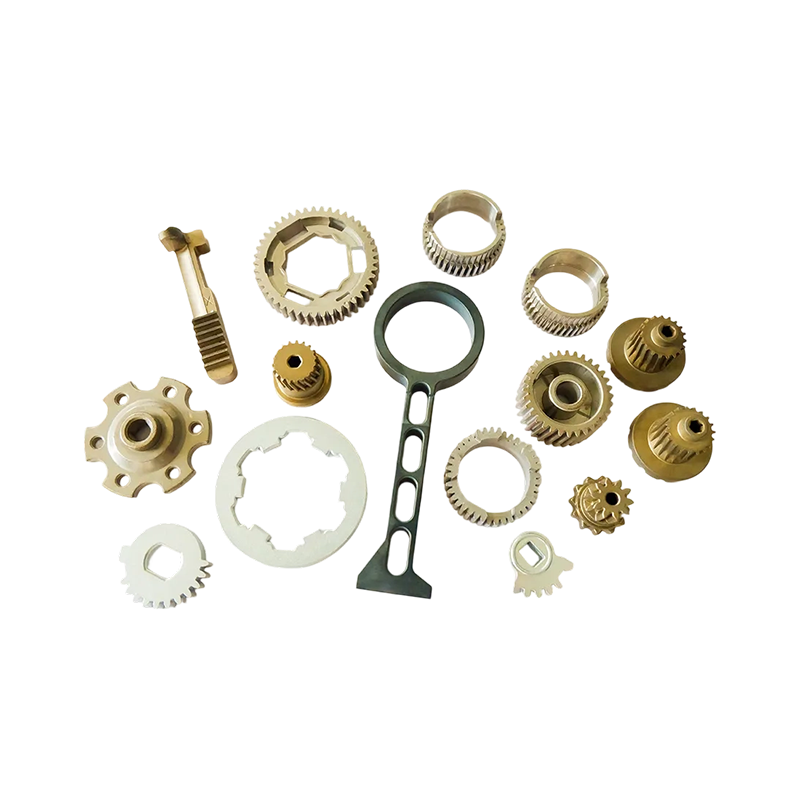
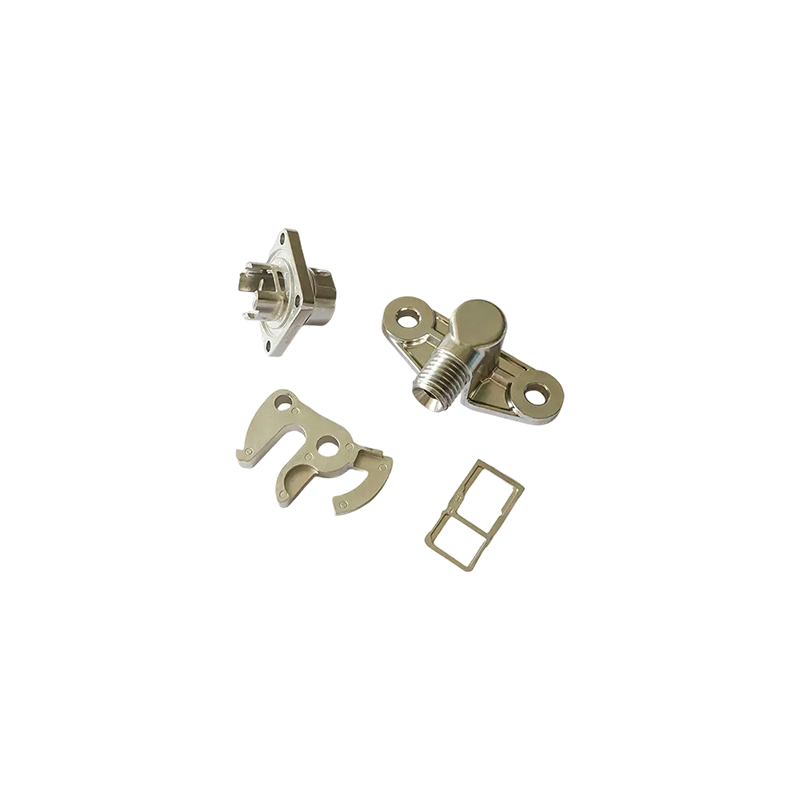
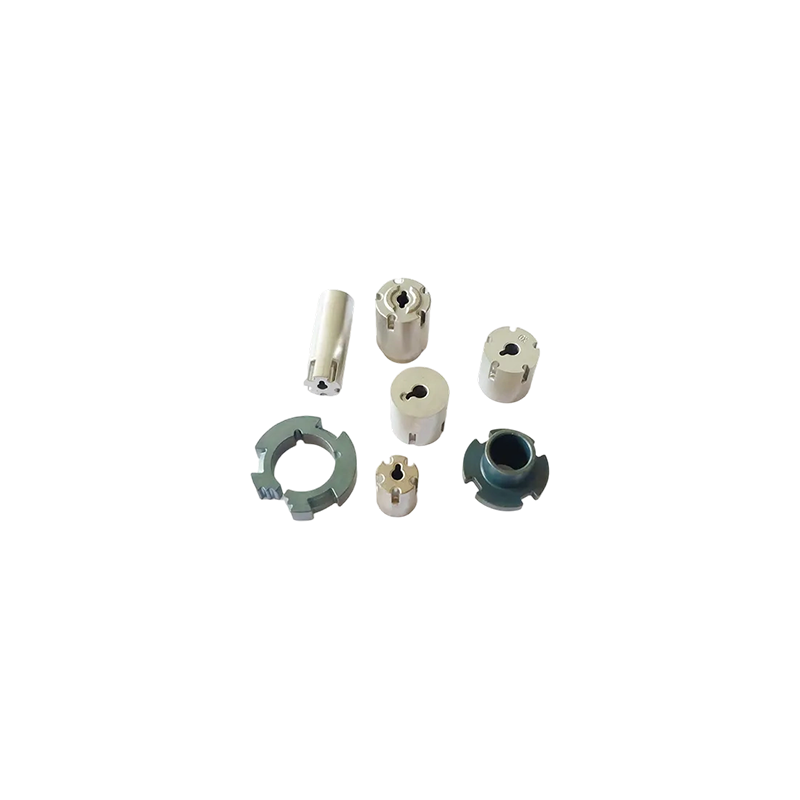
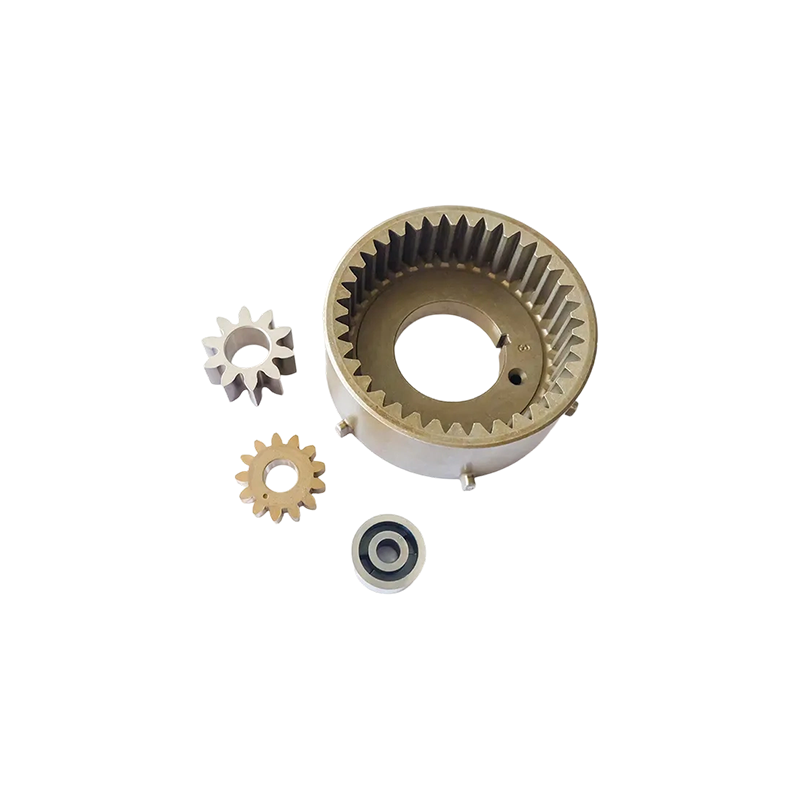
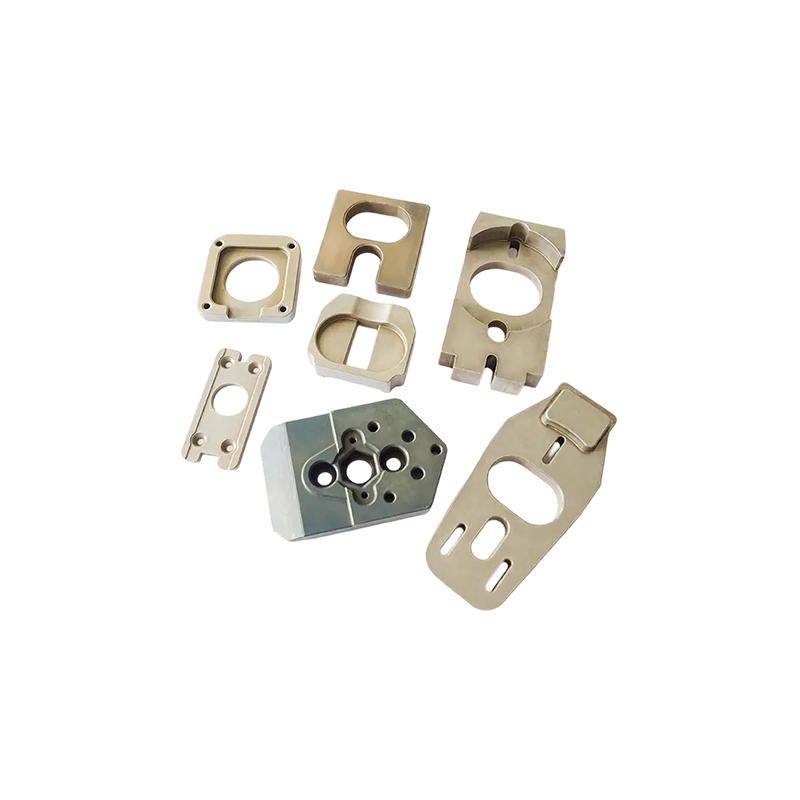
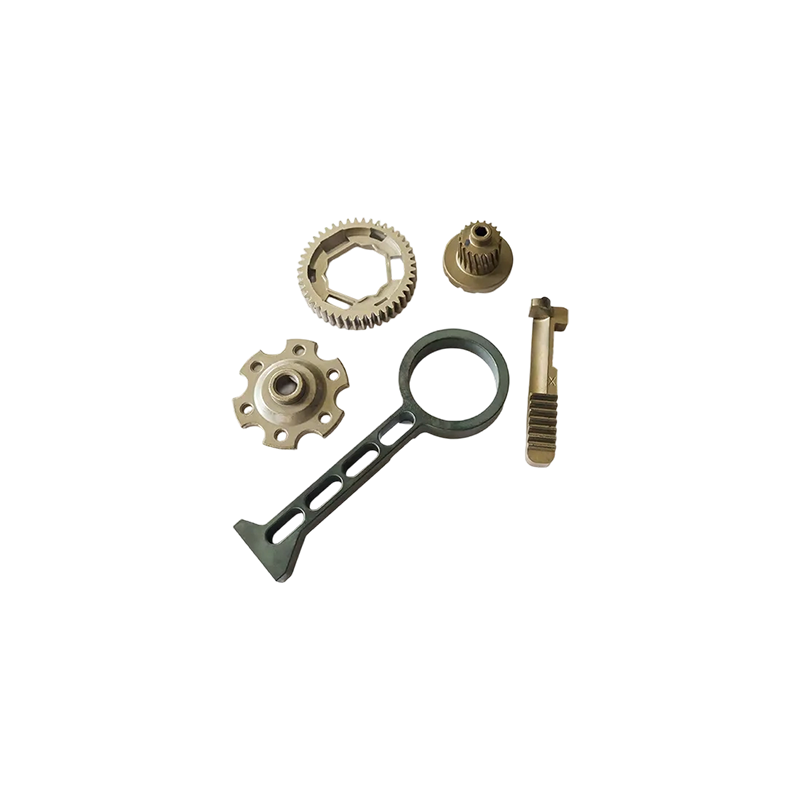
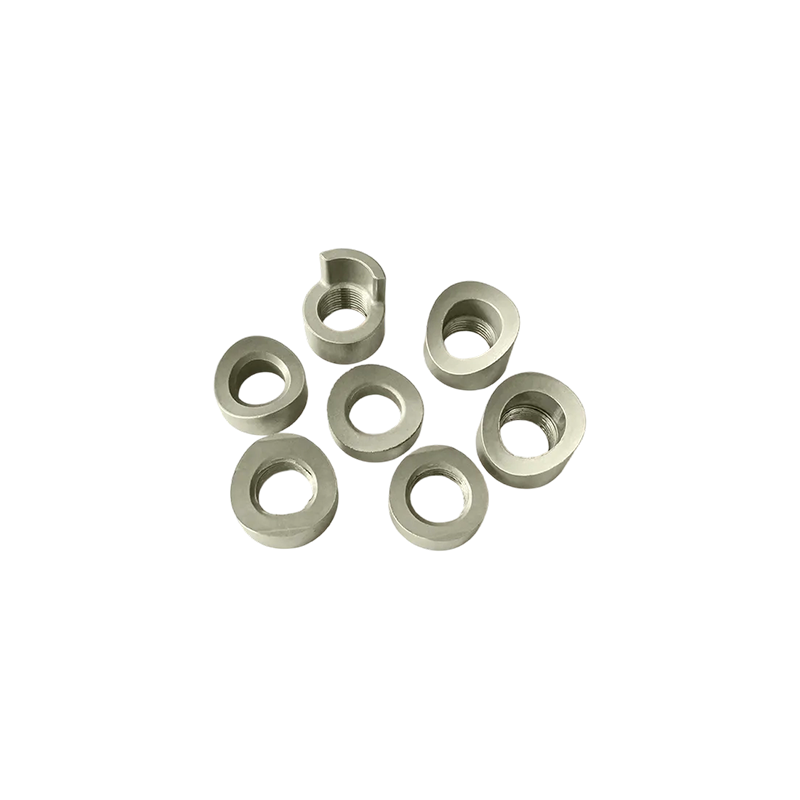
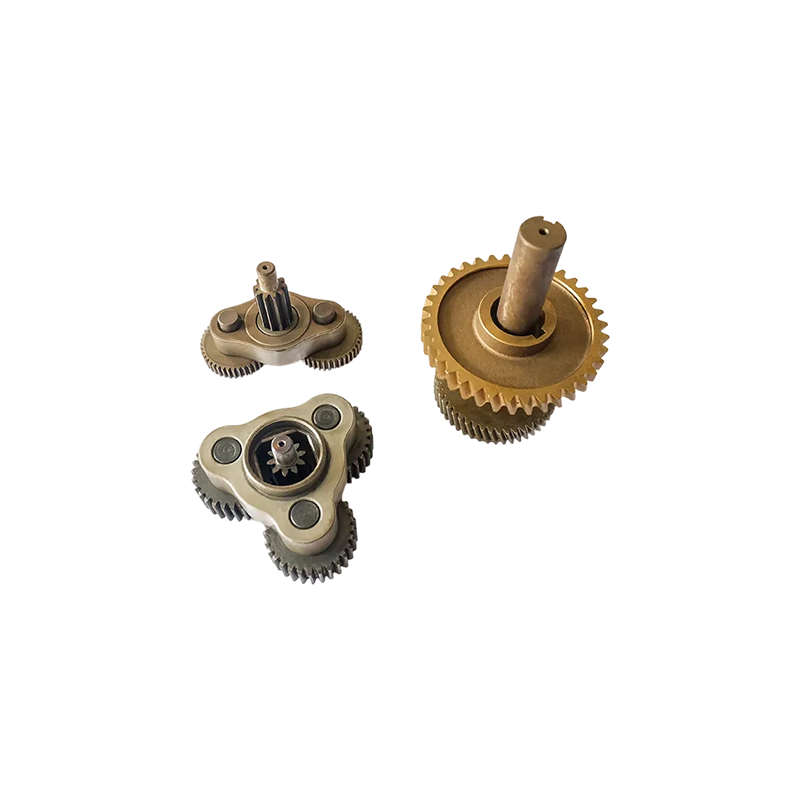
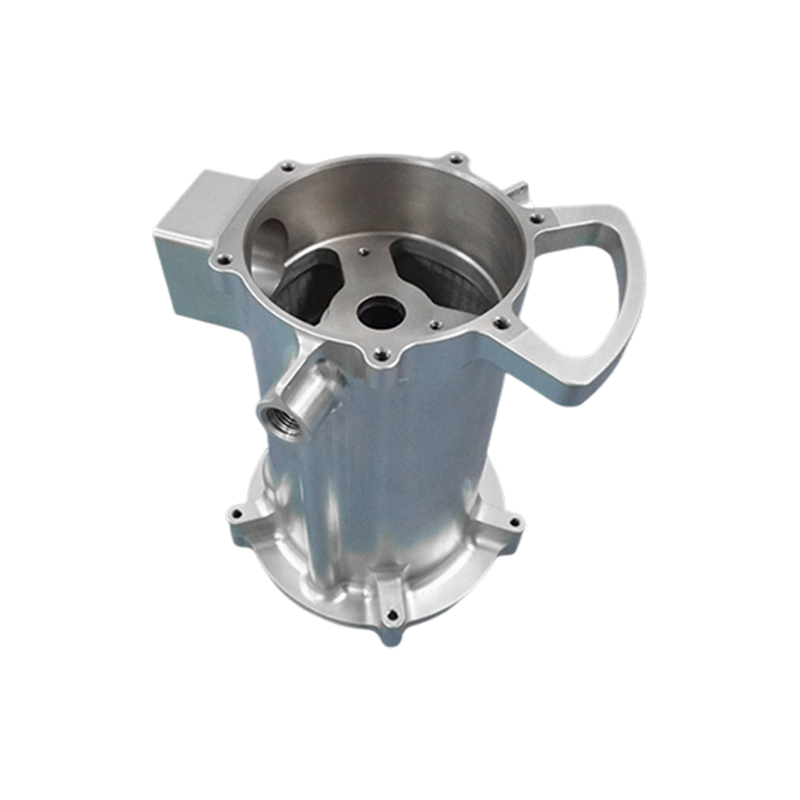
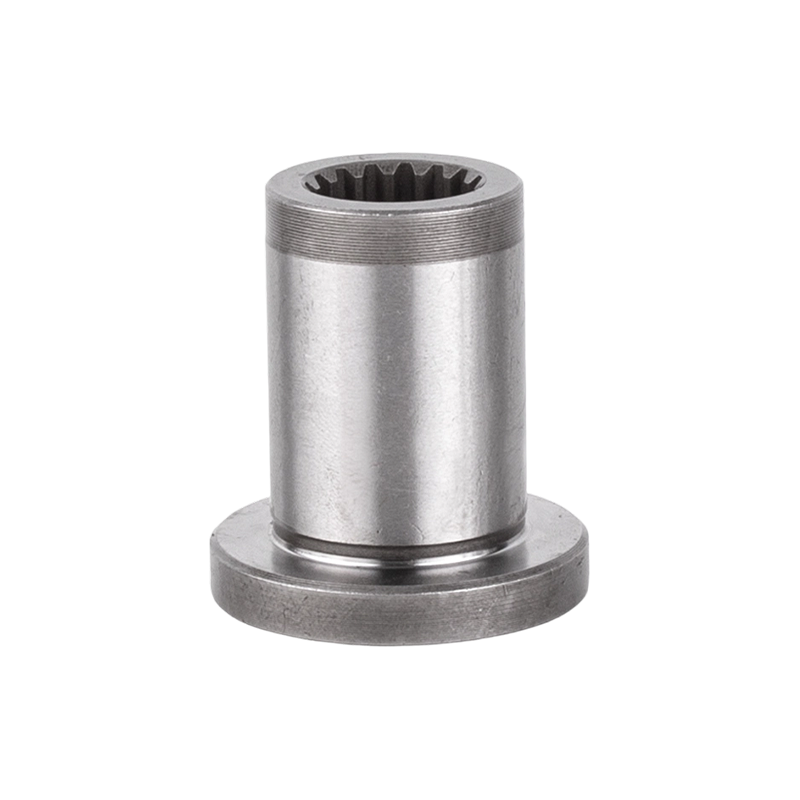
Precision Powder Metallurgy Components refer to high-precision metal parts manufactured through powder metallurgy processes. This technology mainly uses metal powder as the raw material, which is compressed into a specific shape through precision molds and then sintered at high temperatures to bond the powder particles together and achieve stable mechanical properties.
Compared with traditional machining, powder metallurgy provides better material utilization and allows manufacturers to produce components with complex structures, internal pores, and customized performance characteristics. These components are widely applied in gears, structural supports, precision connectors, magnetic parts, and wear-resistant components.
| Feature | Description |
| High dimensional accuracy | Precision molds provide excellent dimensional control and reduce the need for additional machining. |
| High material utilization | Less material waste is generated compared with conventional cutting processes. |
| Complex structure manufacturing | Allows production of special geometries that are difficult to achieve through traditional methods. |
| Stable mass production | Suitable for large-scale manufacturing with consistent quality. |
With the continuous development of advanced manufacturing, Precision Powder Metallurgy Components are no longer just a manufacturing method for metal parts but have become a key technology supporting modern industrial innovation.
Why Are High-End Manufacturing Industries Increasingly Focusing on Precision Powder Metallurgy Components?
Meeting the Requirements of Complex Product Designs
Modern industrial products are moving toward miniaturization, integration, and higher performance. For example, new energy systems, energy storage modules, and data center cooling equipment require numerous precision components with accurate dimensions and reliable structures.
Traditional machining methods often require multiple processing steps when producing complex structures, which increases manufacturing costs and may affect product consistency. Powder metallurgy technology can directly form complicated structures through molds, significantly improving production efficiency.
For precision components requiring large-scale production, this manufacturing approach ensures stable quality while shortening production cycles.
Improving Component Performance and Reliability
Industrial equipment often operates under demanding conditions involving temperature changes, mechanical stress, and continuous friction. Components used in aerospace equipment, automated logistics systems, and medical devices require strict standards for strength, durability, and reliability.
By adjusting powder materials and optimizing sintering processes, manufacturers can develop components with specific performance advantages, including:
High wear resistance powder metallurgy parts, high-strength structural components, metal components with excellent thermal conductivity, and customized alloy components for special environments.
This flexibility in material design allows Precision Powder Metallurgy Components to meet the requirements of more specialized industrial applications.
What Industries Use Precision Powder Metallurgy Components?
With continuous technological improvements, powder metallurgy components have been widely adopted across multiple industries with strict performance requirements.
| Industry | Typical Applications | Requirements |
| New Energy | Liquid cooling system components, energy storage structural parts | High precision, reliability, and thermal performance |
| Medical Equipment | Precision mechanical parts, equipment connectors | Safety, stability, and strict dimensional control |
| Automated Logistics | Transmission parts, mechanical structures | Wear resistance and continuous operation capability |
| Aerospace | Lightweight precision components | High strength, low weight, and reliability |
| Smart Manufacturing Equipment | Precision machining components | High consistency and long-term operational stability |
Especially with the rapid growth of the new energy industry, the demand for precision metal components used in battery systems, energy management equipment, and intelligent control systems continues to increase. Powder metallurgy technology helps manufacturers achieve more efficient and reliable component production.
What Advantages Do Precision Powder Metallurgy Components Have Compared with Traditional Machining?
In modern manufacturing, companies focus not only on component performance but also on production efficiency, cost control, and environmental sustainability.
Traditional machining usually involves multiple processes such as turning, milling, and drilling. Powder metallurgy, however, can achieve near-net-shape manufacturing, reducing the number of processing steps required.
| Comparison Item | Powder Metallurgy Processing | Traditional Machining |
| Material utilization | High efficiency with reduced material waste | More material loss due to cutting processes |
| Complex structures | Suitable for complicated shapes | Greater difficulty for complex designs |
| Mass production | High consistency and efficiency | Higher cost for large-volume production |
| Design flexibility | Supports various material combinations | Limited by machining methods |
Powder metallurgy does not completely replace traditional machining. Instead, it provides optimized manufacturing solutions for specific applications. For components requiring high precision, compact structures, and large-volume production, powder metallurgy often offers significant advantages.
How Does Suzhou Kokosili International Trading Co., Ltd. Provide Professional Powder Metallurgy Component Solutions?
In precision manufacturing, suppliers need not only advanced processing capabilities but also comprehensive quality management systems and project integration abilities.
Suzhou Kokosili International Trading Co., Ltd. specializes in providing high-precision components and sheet metal processing for industries such as new energy, medical, automated logistics, and aerospace.
The company operates:
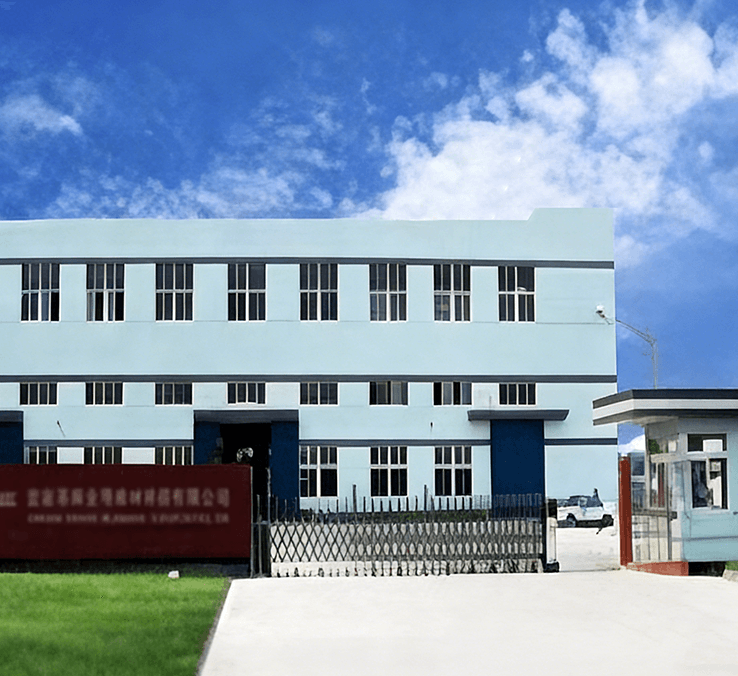
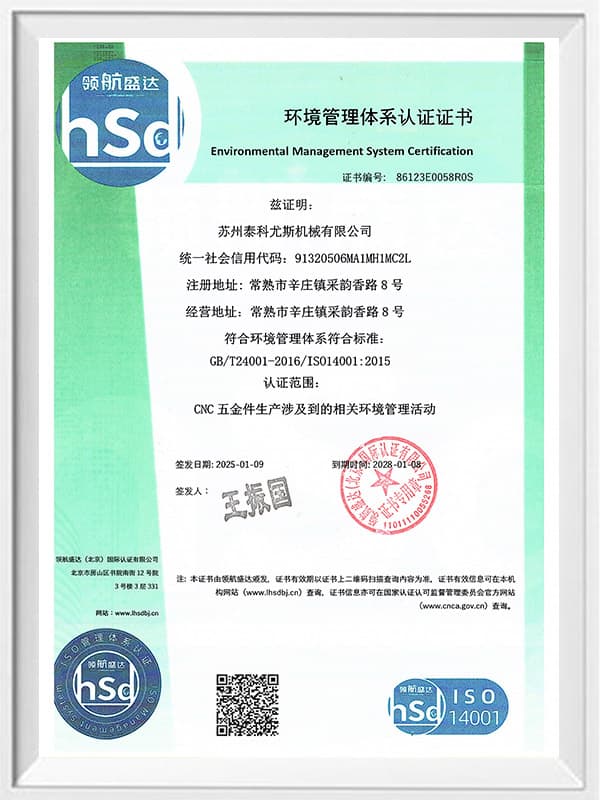
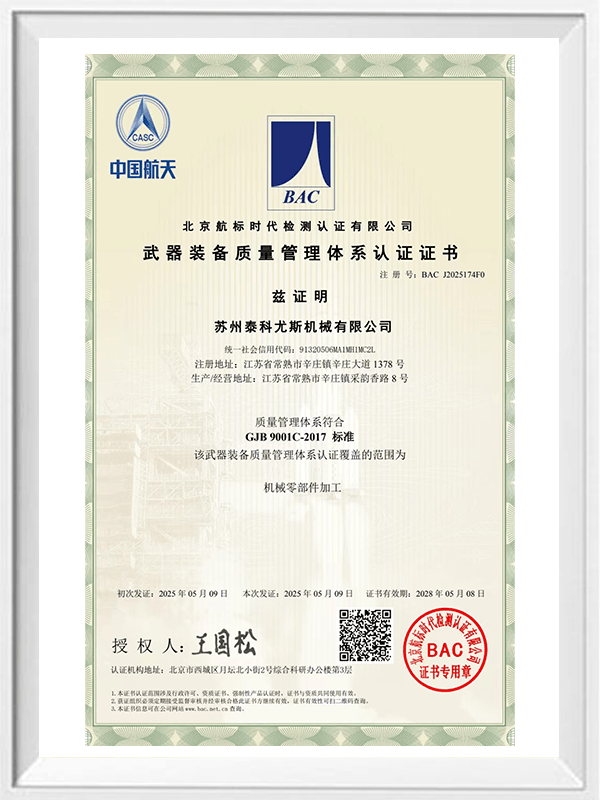
A 9,000-square-meter CNC machining and assembly factory, supporting high-precision processing and product assembly.
A 10,000-square-meter precision casting factory, providing advanced manufacturing capabilities and large-scale production support.
The company adopts an efficient production management model and provides customized services and integrated solutions according to customer requirements.
As a China Powder Metallurgy Supplier and Wholesale Powder Metallurgy Exporter, Company, Suzhou Kokosili International Trading Co., Ltd. focuses on precision, efficiency, and customer-oriented manufacturing solutions.
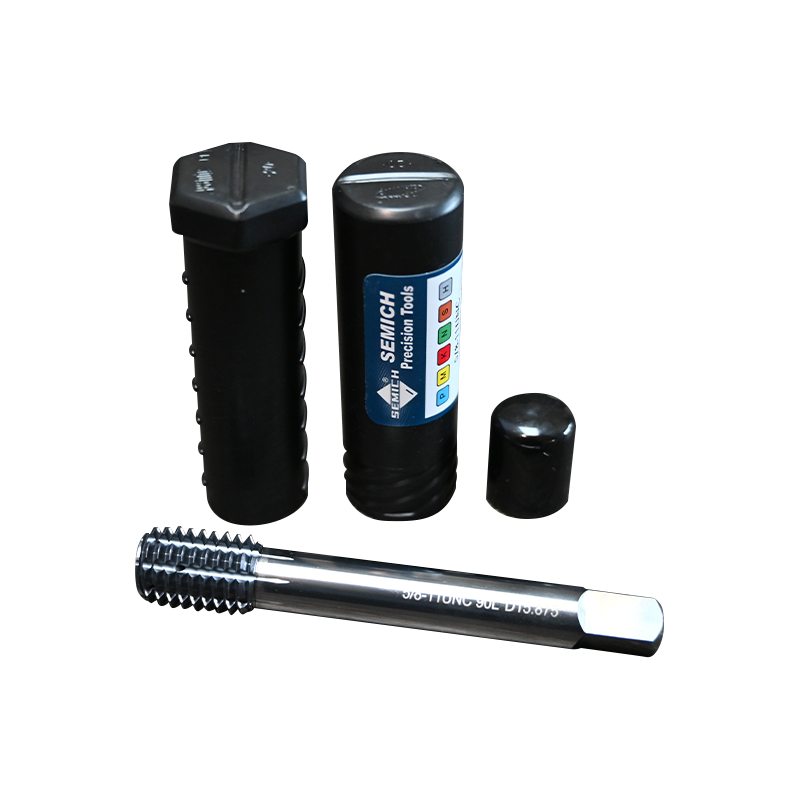
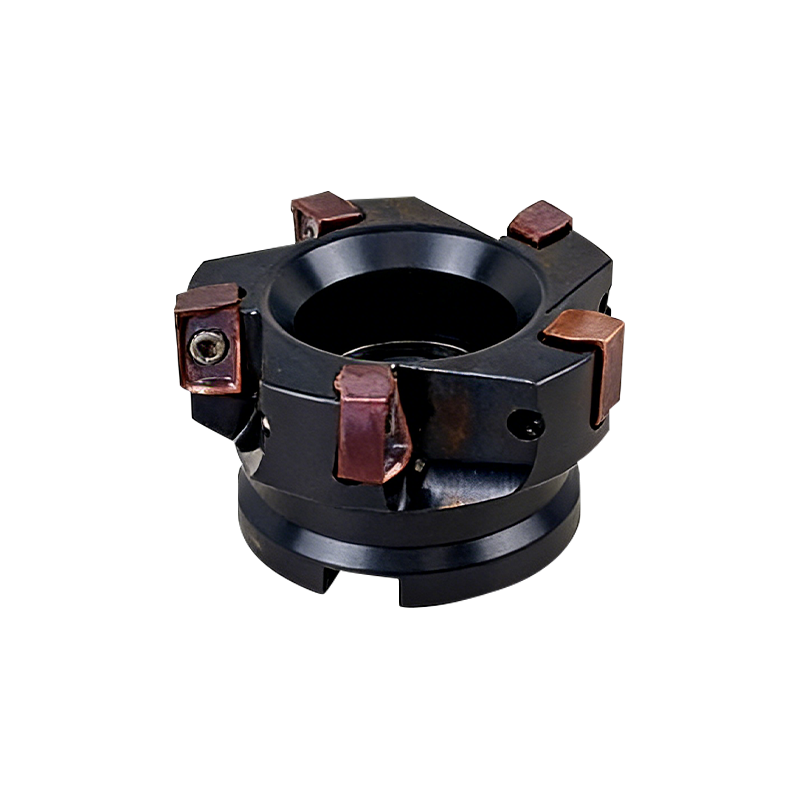
The company’s products include liquid cooling systems, energy storage modules, AI servers, data center temperature control modules, cutting tools, and precision machining equipment.
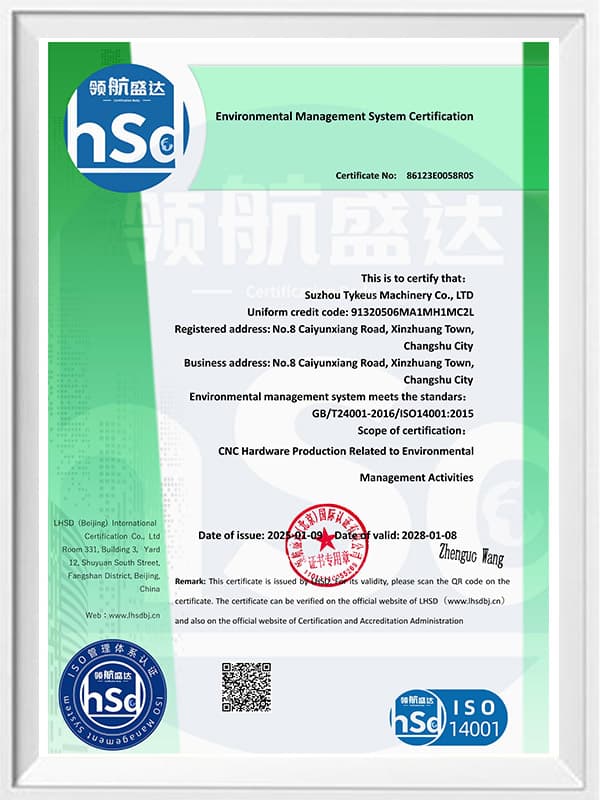
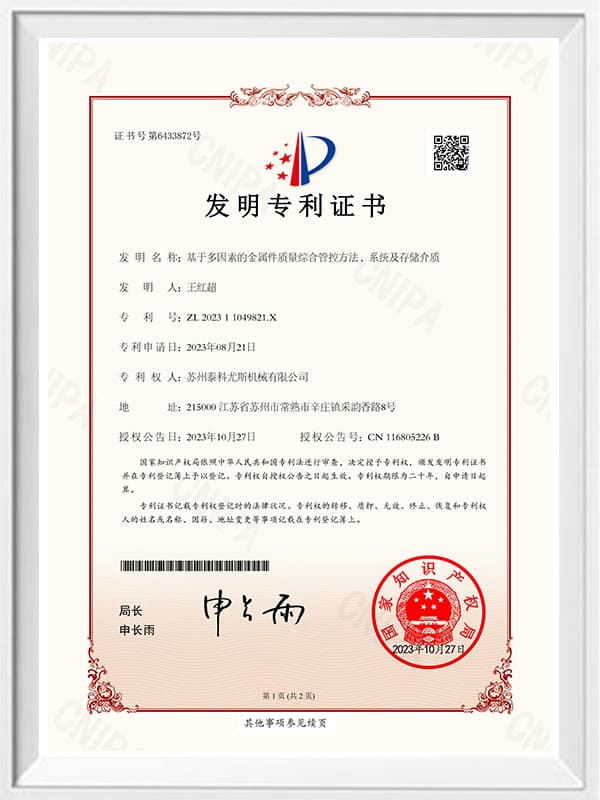
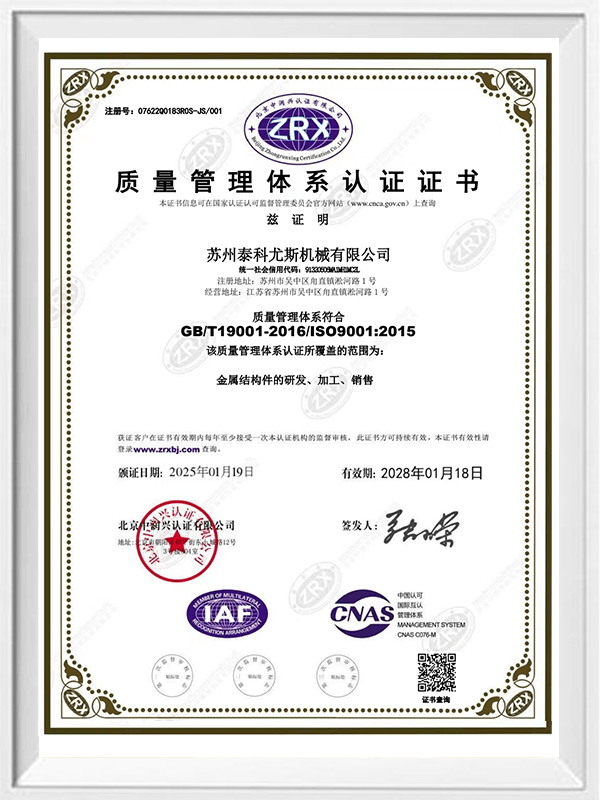
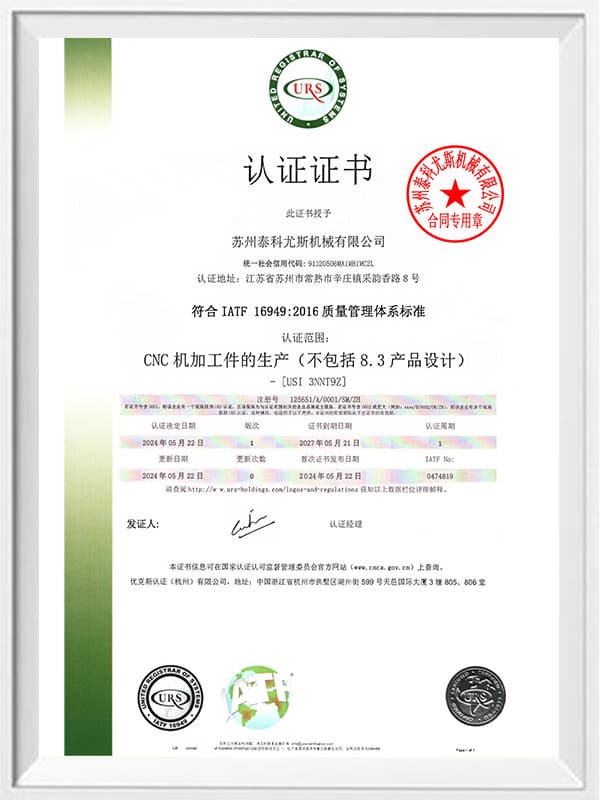
By combining advanced manufacturing equipment, professional engineering teams, and reliable supply chain management, Suzhou Kokosili International Trading Co., Ltd. helps customers solve complex component development challenges and achieve more stable production performance.
How to Choose a Reliable Precision Powder Metallurgy Components Supplier?
Selecting the right supplier is essential for ensuring product quality and project success. When purchasing precision powder metallurgy components, companies should consider several important factors.
First, manufacturers should evaluate whether the supplier has complete production capabilities, including manufacturing equipment, quality inspection systems, and mature production processes.
Second, industry experience is also important. Different industries have different requirements for materials, structures, and performance. Suppliers with experience across multiple industries can provide more suitable manufacturing recommendations.
In addition, customization capabilities are becoming increasingly important. As product designs become more complicated, standard components may no longer satisfy all requirements. Suppliers capable of providing design optimization, manufacturing adjustments, and integrated solutions offer greater value.
What Is the Future Development Direction of Precision Powder Metallurgy Components?
With continuous growth in smart manufacturing, new energy, and advanced equipment industries, Precision Powder Metallurgy Components will continue to experience increasing demand.
Future powder metallurgy technologies will focus more on material innovation, automated production, and intelligent quality control. New alloy powders, advanced composite materials, and digital manufacturing systems will further improve component performance and production efficiency.
Meanwhile, as global manufacturing places greater emphasis on sustainable production, powder metallurgy will play a larger role in environmentally friendly manufacturing due to its high material utilization rate and reduced processing waste.
For companies requiring high-performance components, selecting a Precision Powder Metallurgy Components supplier with strong manufacturing capabilities and comprehensive service experience will become an important strategy for improving product competitiveness.
FAQ
1. What are Precision Powder Metallurgy Components?
Precision Powder Metallurgy Components are high-accuracy metal parts manufactured through powder metallurgy processes, including powder forming, sintering, and post-processing. They are widely used in industries requiring complex structures and reliable performance.
2. What industries use powder metallurgy components?
Powder metallurgy components are commonly used in new energy, medical equipment, aerospace, automated logistics, automotive, and precision machinery industries.
3. Are powder metallurgy components suitable for mass production?
Yes. Powder metallurgy technology provides excellent production consistency and efficiency, making it suitable for large-volume manufacturing of precision components.
4. Why choose Suzhou Kokosili International Trading Co., Ltd. for powder metallurgy solutions?
Suzhou Kokosili International Trading Co., Ltd. provides high-precision components and sheet metal processing solutions with advanced CNC machining facilities, precision casting capabilities, customized manufacturing services, and integrated solutions for global industries.
