

 English
  русский
  عربى
عربى 




How to Select the Right Precision Milling Components for Industrial Applications?
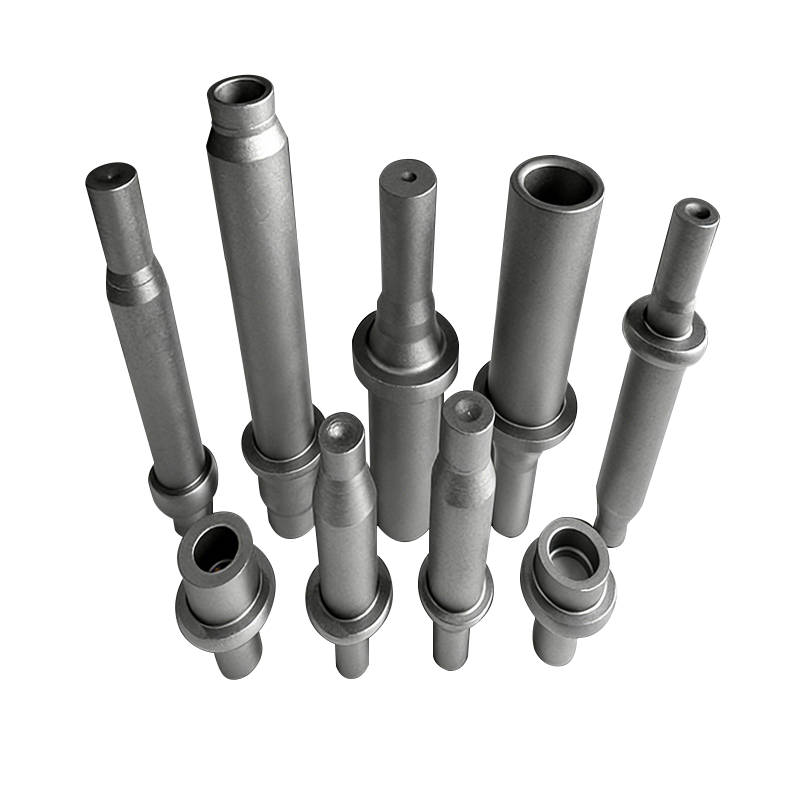
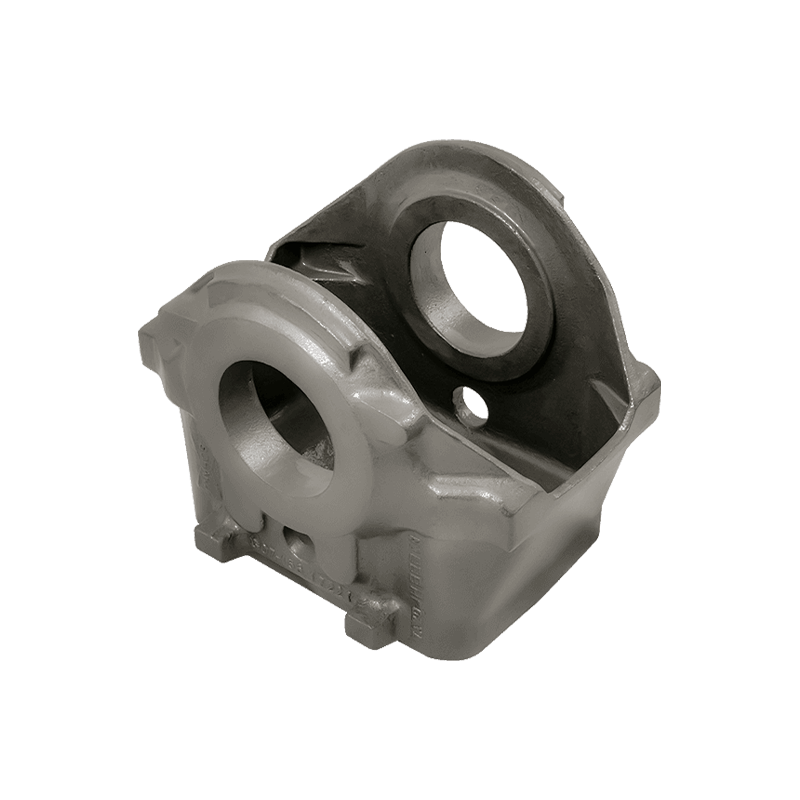
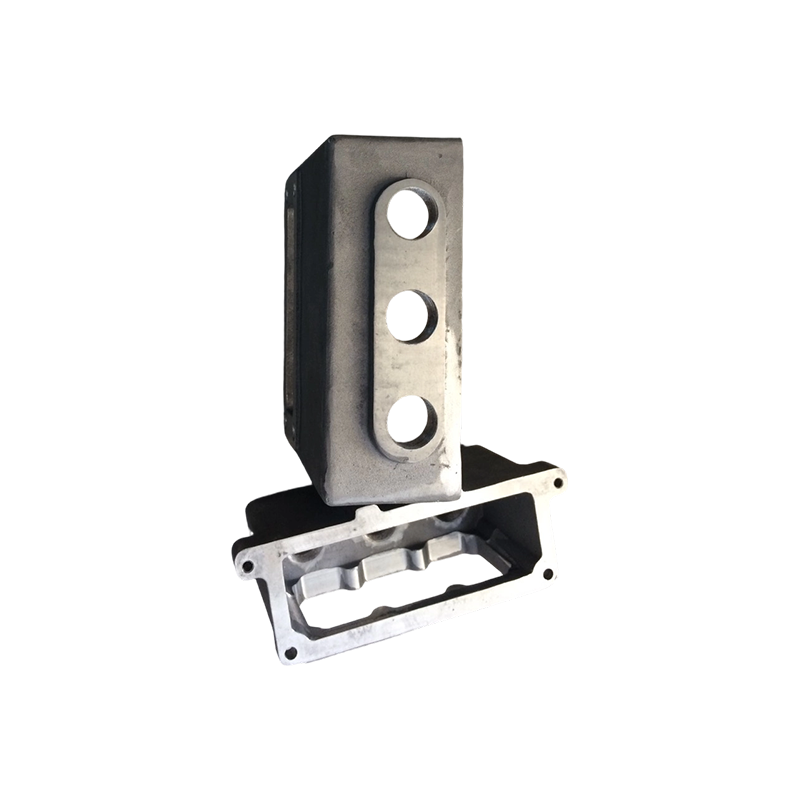
In modern manufacturing industries, machining accuracy and component reliability directly influence the performance of finished products. Selecting suitable precision milling components is essential for industries that require tight tolerances, complex geometries, and stable production performance. From automated equipment and medical devices to aerospace systems and new energy applications, high precision milling solutions help manufacturers improve processing quality and maintain consistent output.
Precision milling components are manufactured through advanced CNC machining processes, where cutting tools remove material with high accuracy to create complex parts and functional surfaces. The selection of these components requires careful consideration of material properties, machining requirements, dimensional accuracy, surface finish, and application environment.
What Are Precision Milling Components?
Precision milling components refer to high-accuracy machined parts produced through milling operations, typically using CNC milling machines and advanced cutting technologies. These components are designed for applications where conventional machining methods cannot achieve the required precision and consistency.
Unlike standard machined parts, precision milling components focus on dimensional stability, geometric accuracy, and repeatable performance. They are commonly used in industrial equipment, automation systems, medical equipment, aerospace structures, and energy-related machinery.
The manufacturing process usually includes CAD/CAM programming, CNC milling, surface treatment, quality inspection, and customized finishing processes. These steps ensure that each component meets specific functional requirements.
Why Is Selecting the Right Precision Milling Components Important?
Choosing appropriate precision milling components can significantly affect equipment performance and manufacturing efficiency. Incorrect component selection may lead to machining errors, shorter service life, increased maintenance requirements, and reduced production stability.
Key factors influencing selection include:
| Selection Factor | Impact on Performance |
|---|---|
| Dimensional accuracy | Ensures proper assembly and stable operation |
| Material selection | Determines strength, durability, and environmental resistance |
| Surface finish | Improves wear resistance and functional performance |
| Machining complexity | Supports production of complex structures and precision features |
| Application requirements | Ensures compatibility with working conditions |
For industries such as aerospace, medical manufacturing, and automated logistics, precision requirements are particularly important because components often operate under continuous loads and demanding conditions.
How to Choose Materials for Precision Milling Components?
Material selection plays a critical role in the performance of precision machined parts. Different industrial applications require different combinations of strength, weight, corrosion resistance, and thermal performance.
| Material Type | Main Features | Common Applications |
|---|---|---|
| Aluminum alloys | Lightweight, good machinability, corrosion resistance | Automation equipment, aerospace parts, electronic components |
| Stainless steel | High strength, corrosion resistance, durability | Medical equipment, industrial machinery, precision assemblies |
| Titanium alloys | Excellent strength-to-weight ratio and heat resistance | Advanced industrial applications and aerospace components |
| Engineering plastics | Low friction, chemical resistance, lightweight | Special mechanical parts and insulation components |
When selecting materials, manufacturers should consider operating temperature, mechanical stress, environmental exposure, and required service life. Proper material matching helps ensure long-term reliability.
What Machining Capabilities Should Be Considered?
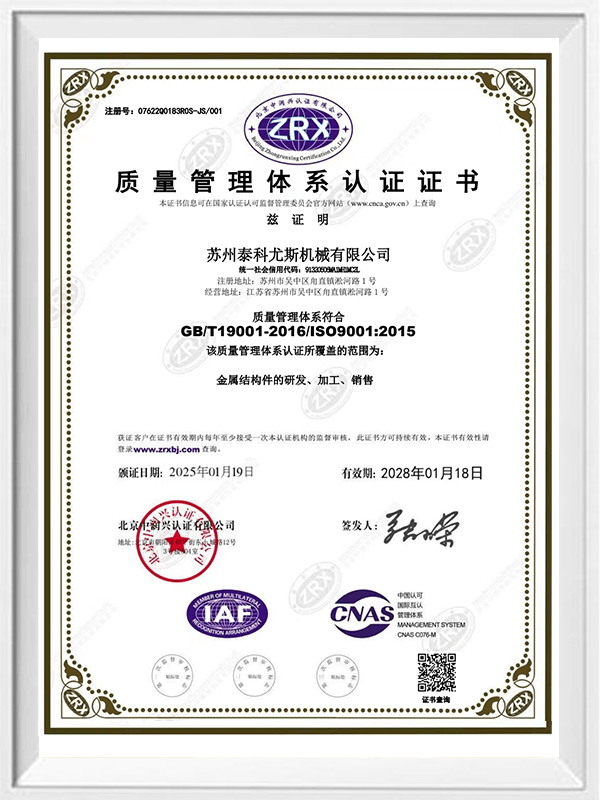
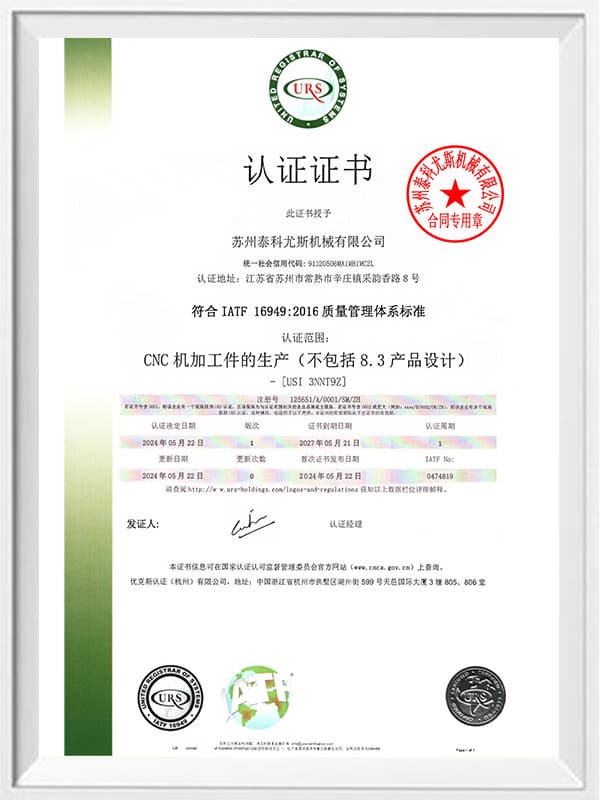
The machining capability of a supplier directly affects the quality of precision milling components. Advanced CNC machining equipment, experienced process management, and strict quality control are important factors when evaluating manufacturing capability.
Key machining considerations include:
- CNC milling accuracy: Ensures components meet complex dimensional requirements.
- Multi-axis machining capability: Allows production of intricate structures with fewer processing steps.
- Custom machining services: Supports special designs and application-specific requirements.
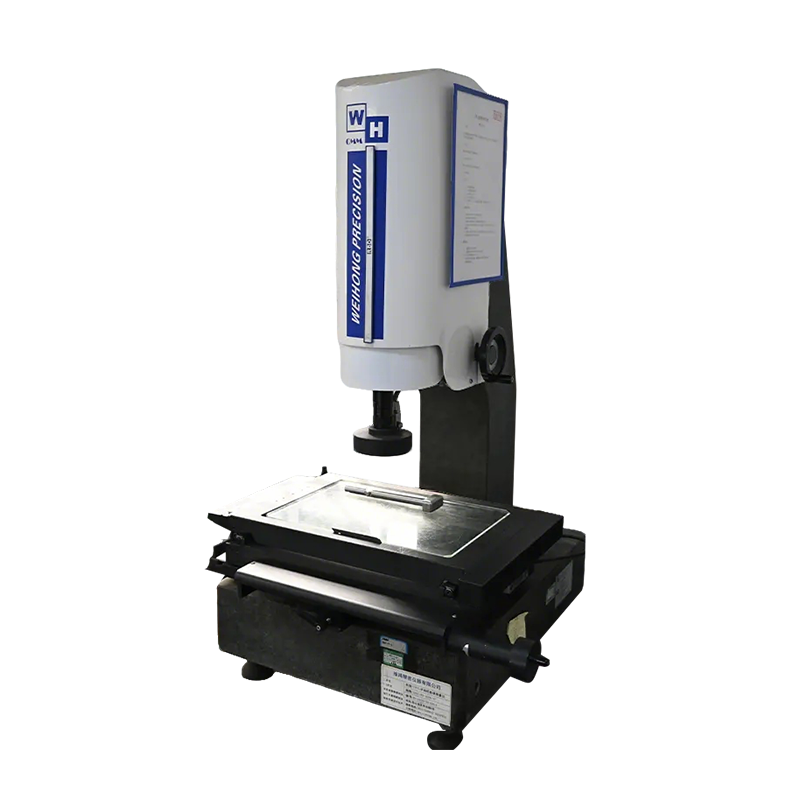
- Quality inspection systems: Helps maintain consistent product performance.
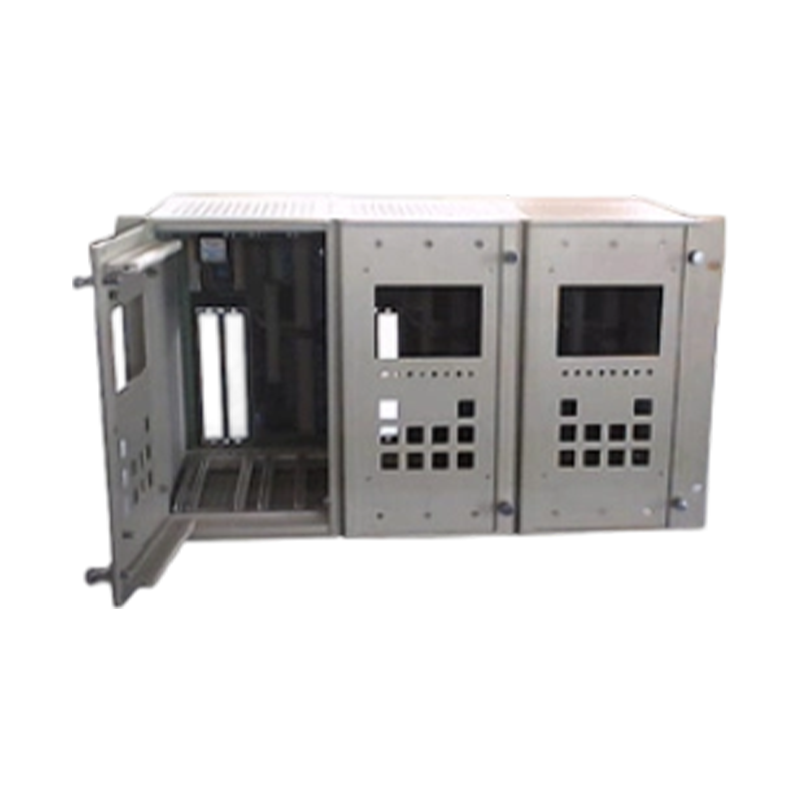
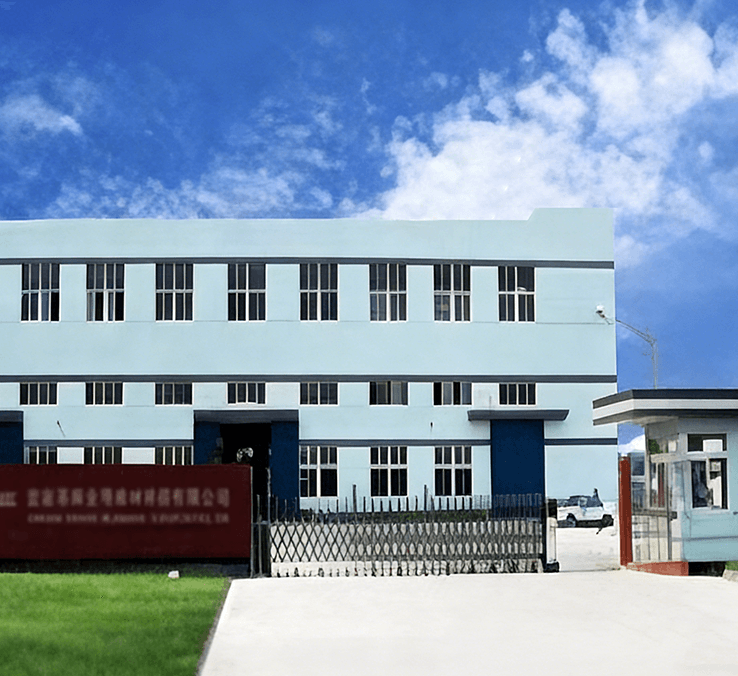
Suzhou Kokosili International Trading Co., Ltd. provides high-precision components and sheet metal processing solutions for industries including new energy, medical, automated logistics, and aerospace. The company operates a 9,000-square-meter CNC machining and assembly factory and a 10,000-square-meter precision casting factory, providing customized manufacturing services based on customer requirements.
With an efficient ERP data management system and intelligent warehousing system, Suzhou Kokosili International Trading Co., Ltd. improves production coordination and supports flexible precision machining solutions.
How Do Precision Milling Components Support Different Industries?
Precision milling components are widely applied across multiple industrial sectors because they provide reliable mechanical performance and customized design flexibility.
| Industry | Application Requirements | Component Functions |
|---|---|---|
| New energy | High stability and long-term operation | Support structural parts and precision assemblies |
| Medical equipment | High cleanliness and dimensional accuracy | Provide reliable mechanical components |
| Automated logistics | Continuous movement and operational reliability | Improve equipment precision and efficiency |
| Aerospace | Lightweight and high-strength structures | Support complex precision parts |
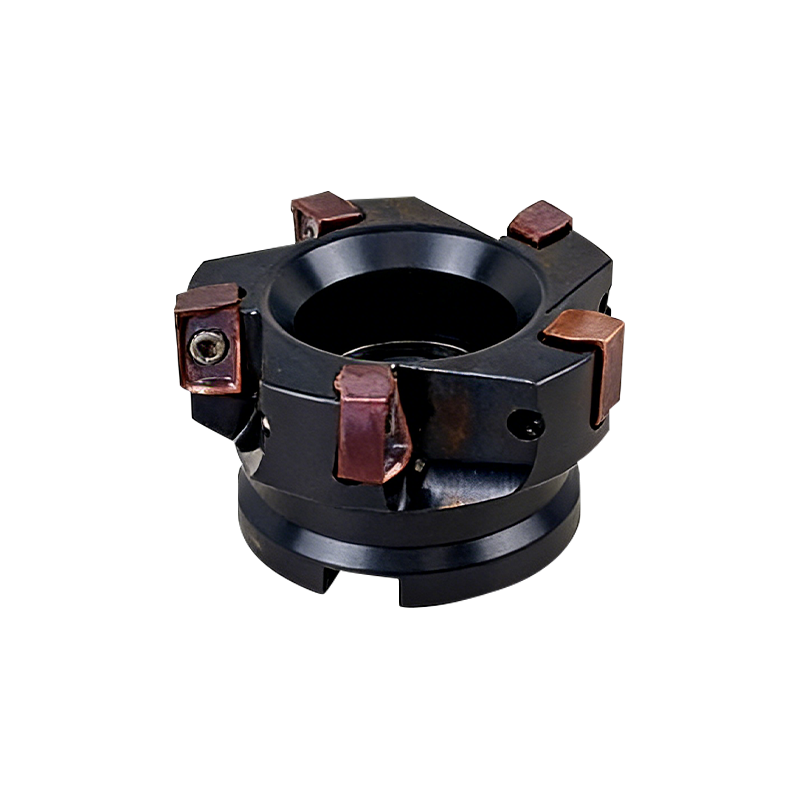
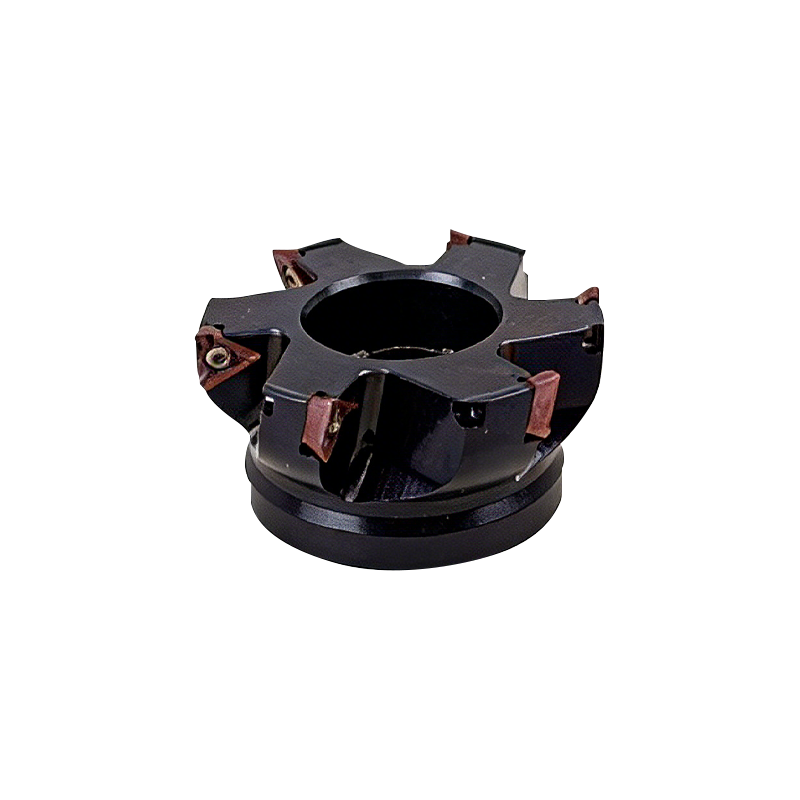
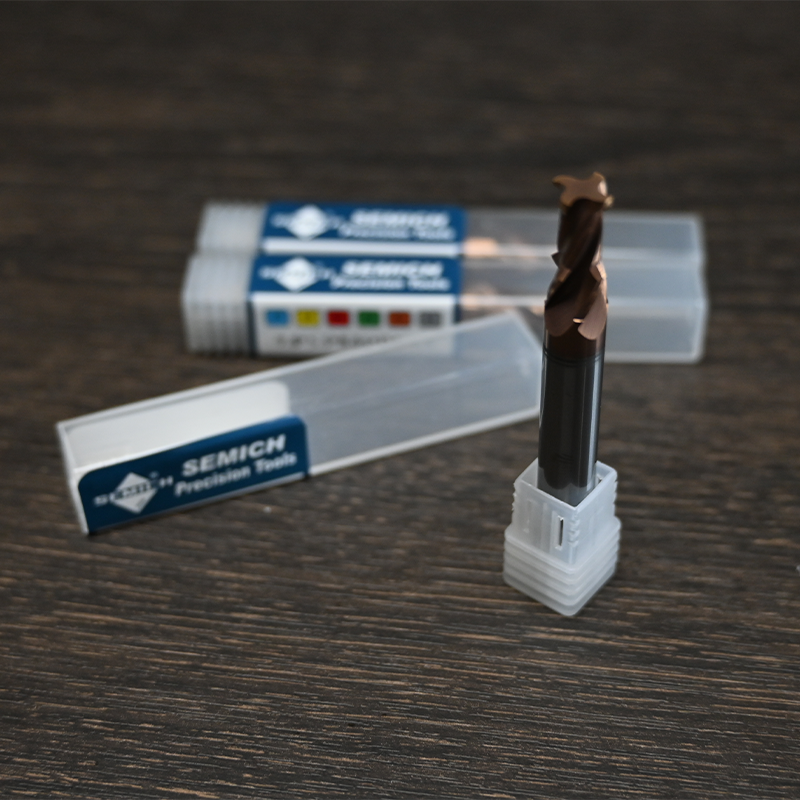
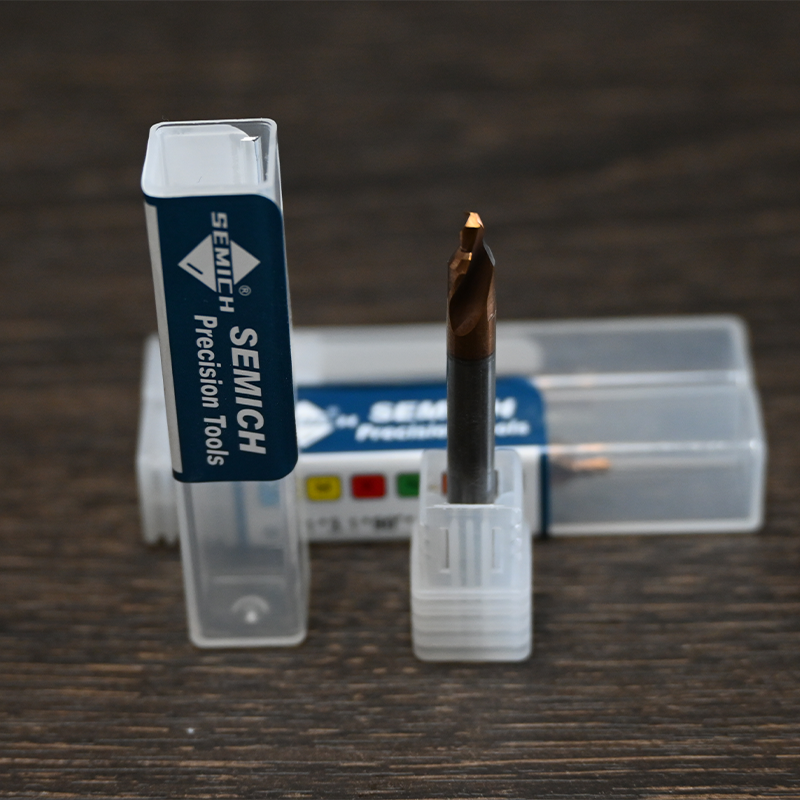
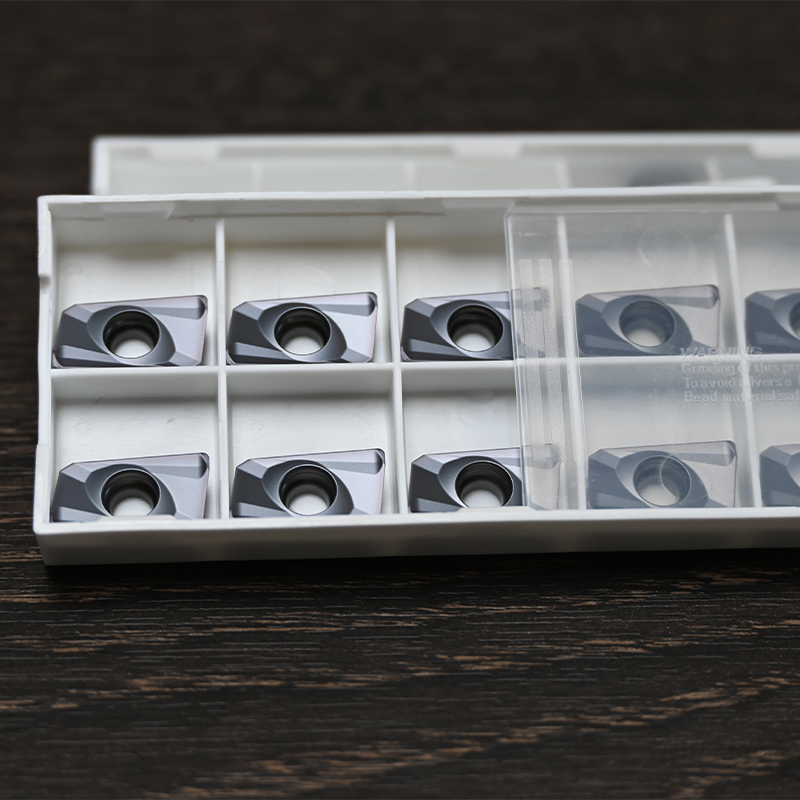
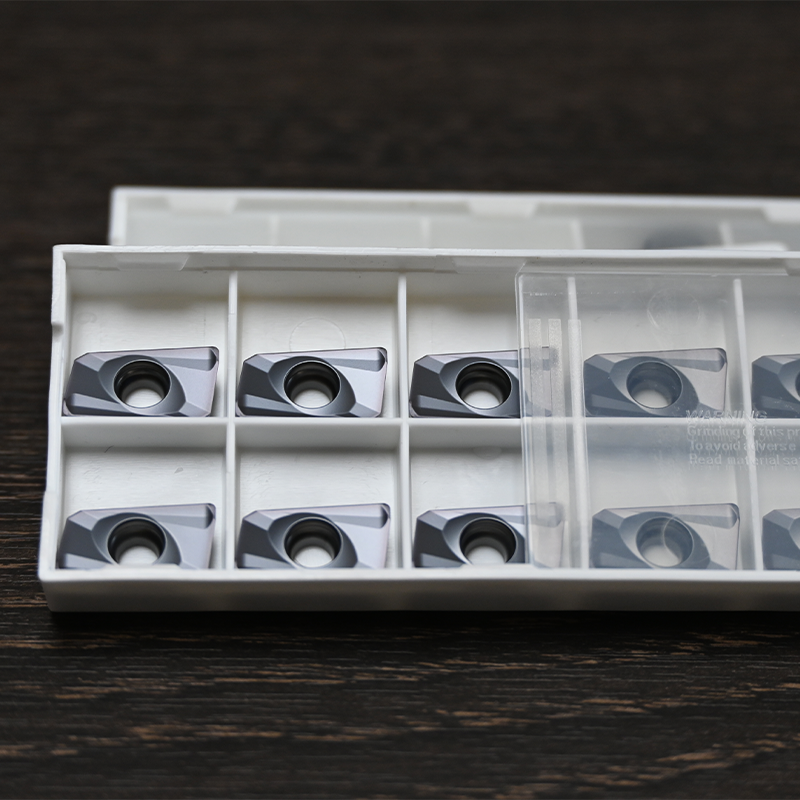
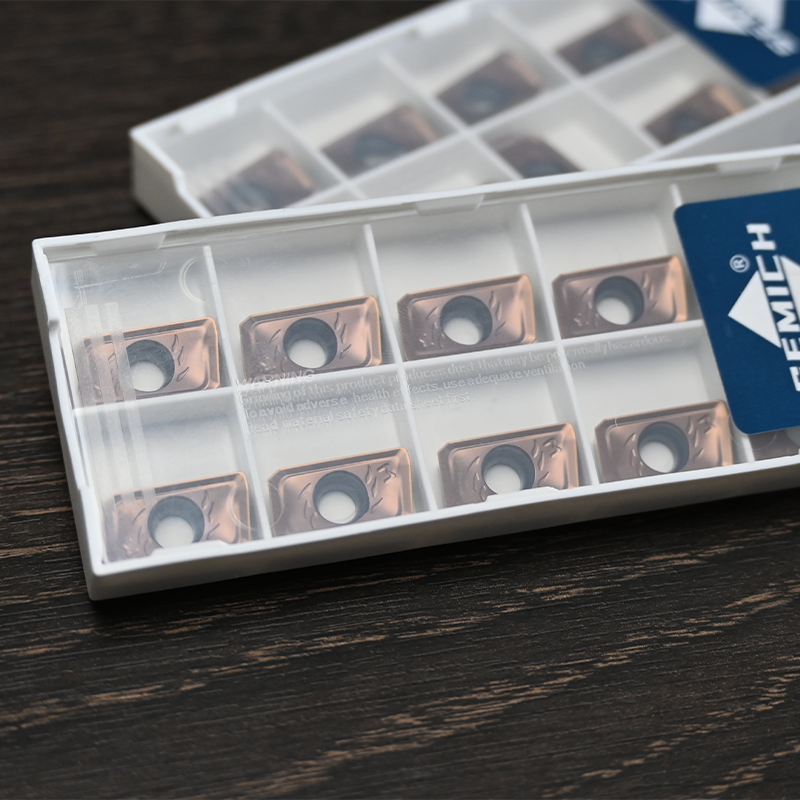
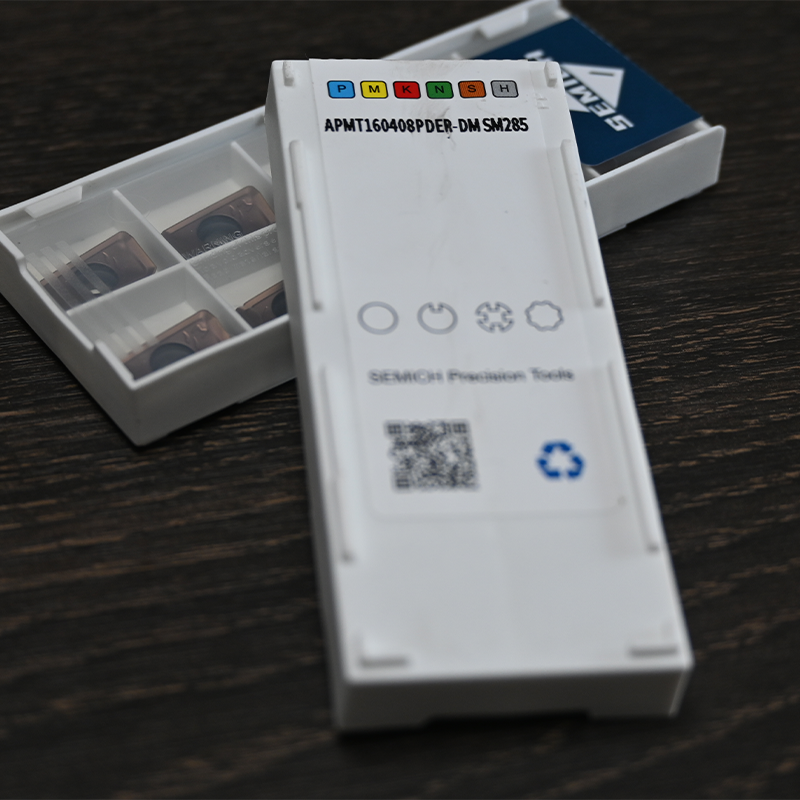
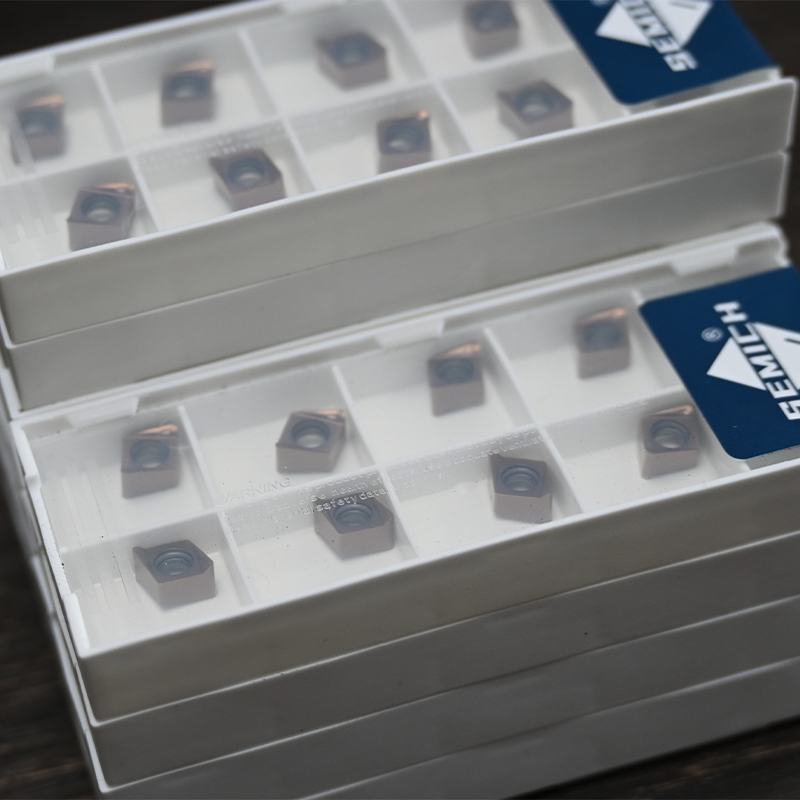
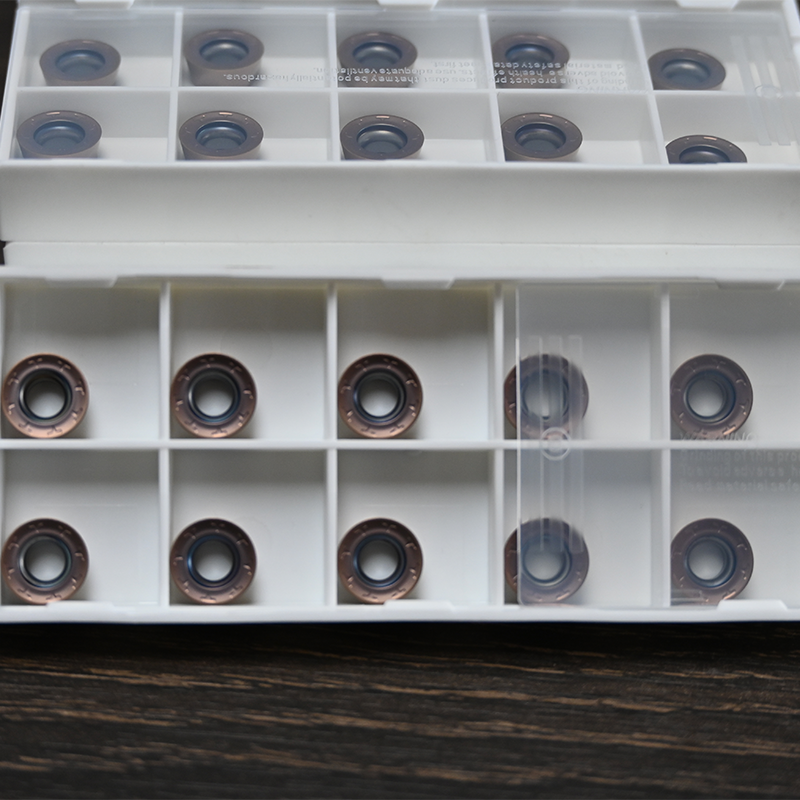
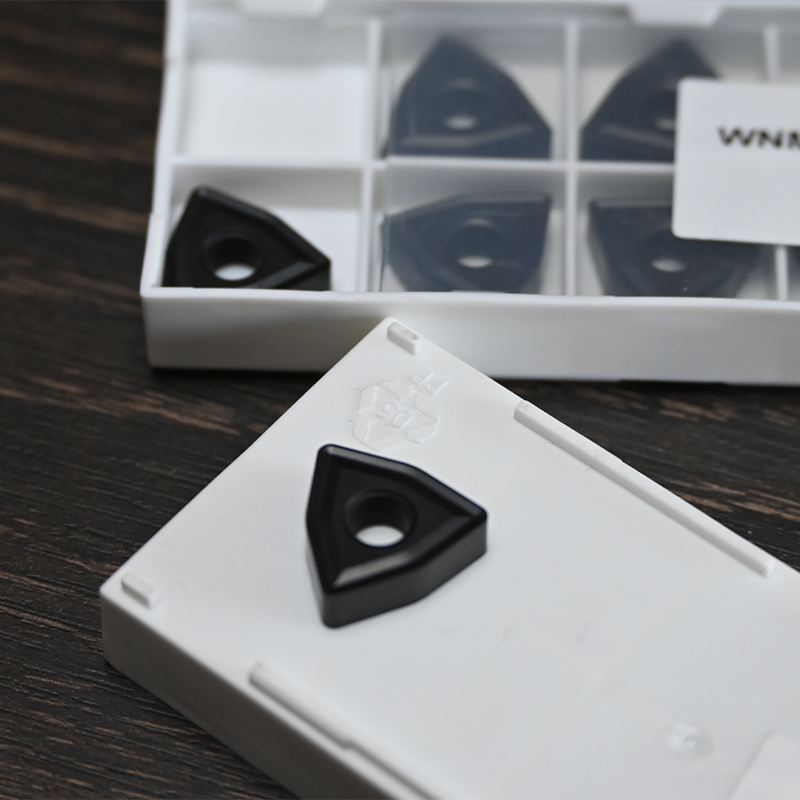
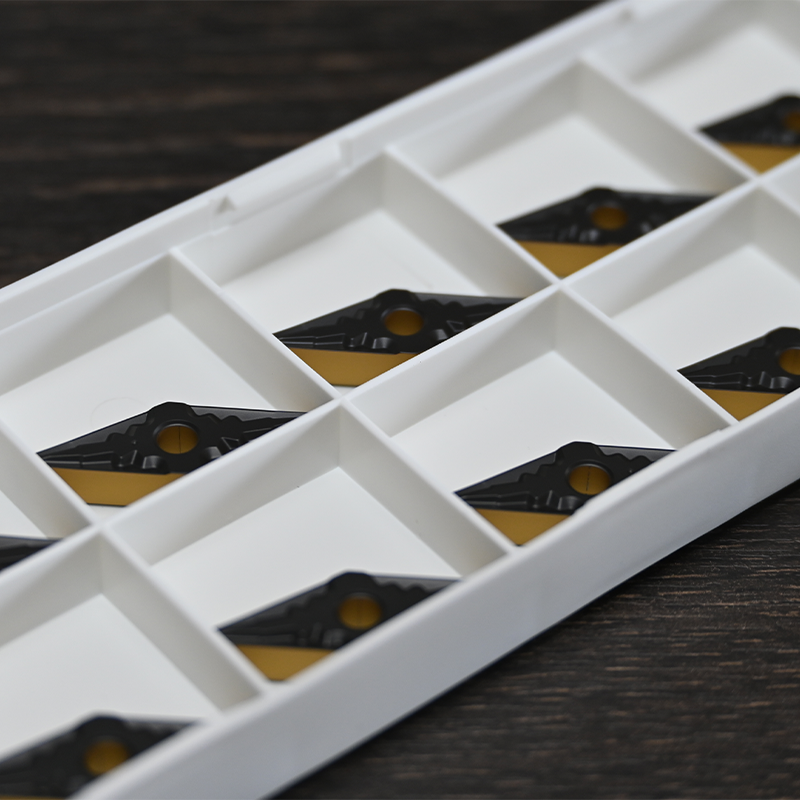
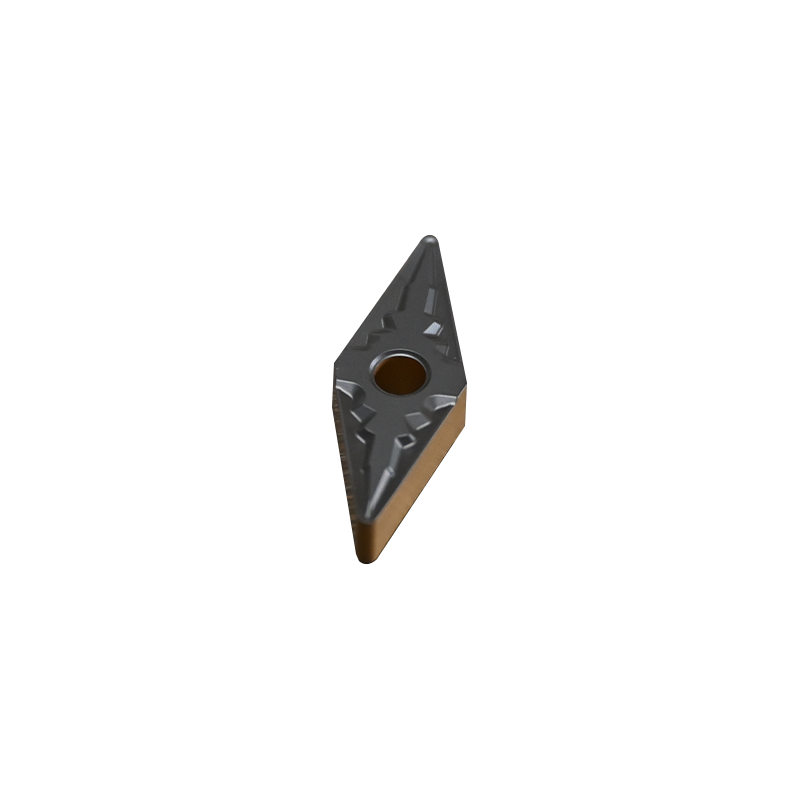
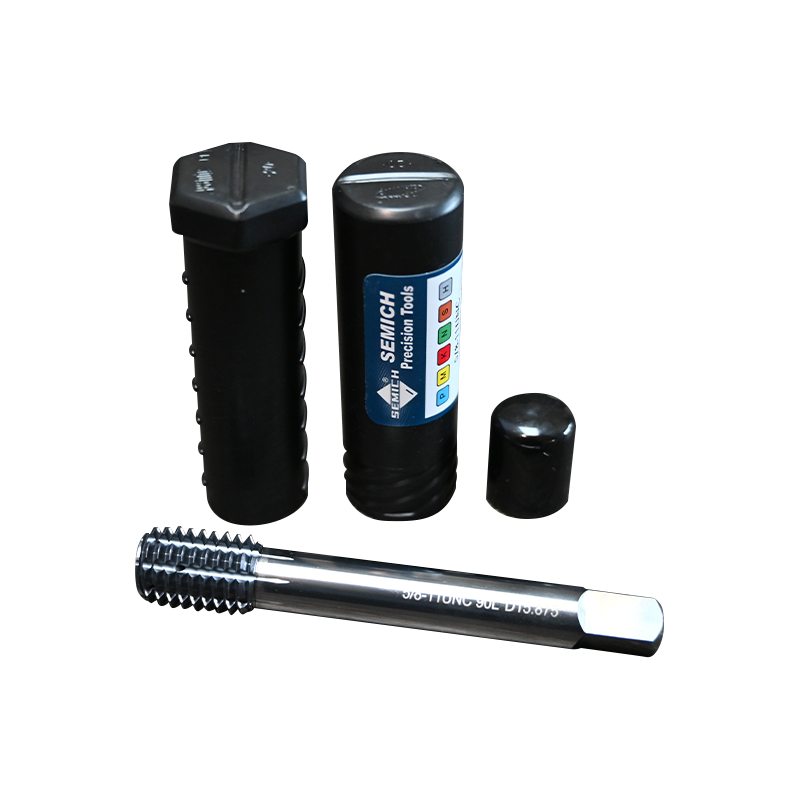
In addition to precision machined parts, integrated manufacturing capabilities such as cutting tools and machining solutions can further improve production efficiency. Suzhou Kokosili International Trading Co., Ltd. provides various high-precision cutting tools, including milling cutters, turning tools, drill bits, thread cutting tools, and customized cutting tools for different machining processes.
How Can Manufacturers Improve the Service Life of Precision Milling Components?
Proper maintenance and application management are essential for extending the lifespan of precision milling components. Even high-quality components require suitable operating conditions and regular inspection.
Recommended maintenance practices include:
- Regularly checking component wear and dimensional changes.
- Maintaining proper lubrication for moving mechanical assemblies.
- Preventing contamination from dust, moisture, or chemical exposure.
- Using suitable cutting parameters during machining operations.
- Replacing damaged components promptly to avoid secondary failures.
For machining operations, selecting appropriate cutting tools is also important. Efficient cutting tools reduce machining stress, improve surface quality, and help maintain stable production performance.
Conclusion
Selecting the right precision milling components requires comprehensive evaluation of material characteristics, machining capabilities, application conditions, and quality requirements. High-quality CNC machining processes and customized manufacturing solutions allow industries to achieve better accuracy, reliability, and production efficiency.
By working with experienced precision machining providers, manufacturers can obtain components that match their specific technical requirements while improving overall equipment performance. Suzhou Kokosili International Trading Co., Ltd. continues to provide customized precision machining solutions, precision components, and integrated manufacturing services for various industrial applications.
FAQ
Q1: What are precision milling components used for?
Precision milling components are used for manufacturing high-accuracy mechanical parts in industries such as aerospace, medical equipment, automation, and new energy systems.
Q2: What materials are commonly used for precision milling components?
Common materials include aluminum alloys, stainless steel, titanium alloys, and engineering plastics. The suitable material depends on strength, weight, corrosion resistance, and operating conditions.
Q3: How are precision milling components different from standard machined parts?
Precision milling components require higher dimensional accuracy, tighter tolerances, and more advanced machining processes to meet demanding industrial requirements.
Q4: What factors should be considered when selecting CNC milling components?
Important factors include material properties, machining accuracy, component design, application environment, and supplier manufacturing capabilities.
Q5: Can precision milling components be customized?
Yes. Precision milling components can be customized according to specific drawings, functional requirements, materials, and production needs.
