

 English
  русский
  عربى
عربى 
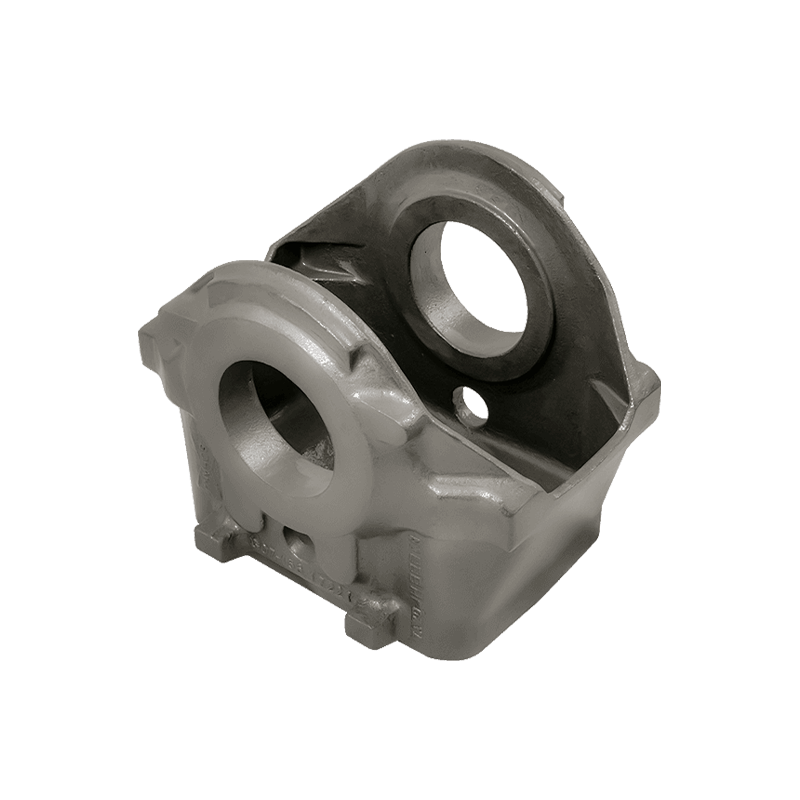
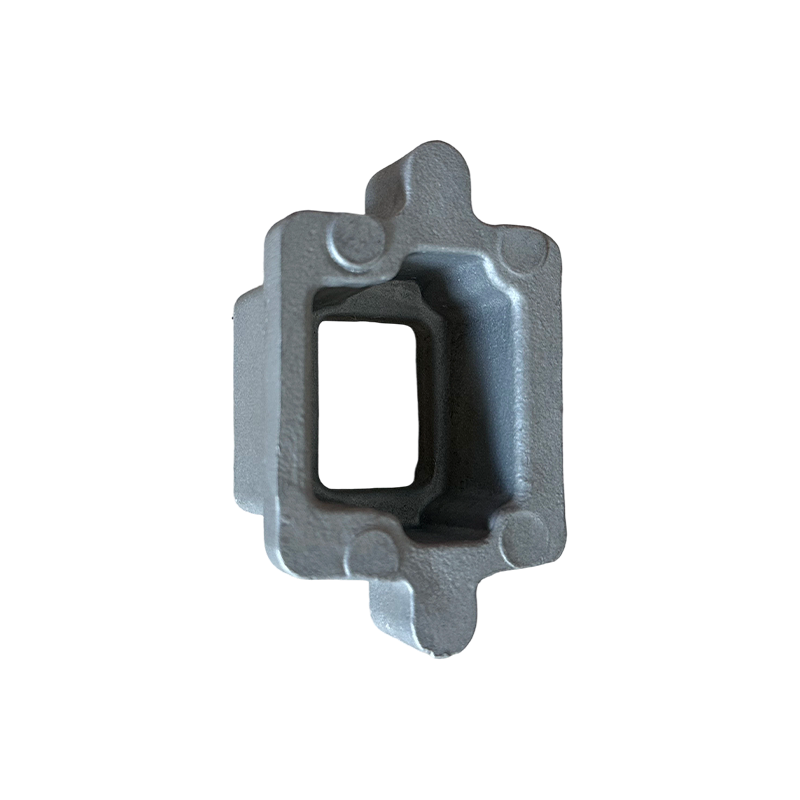
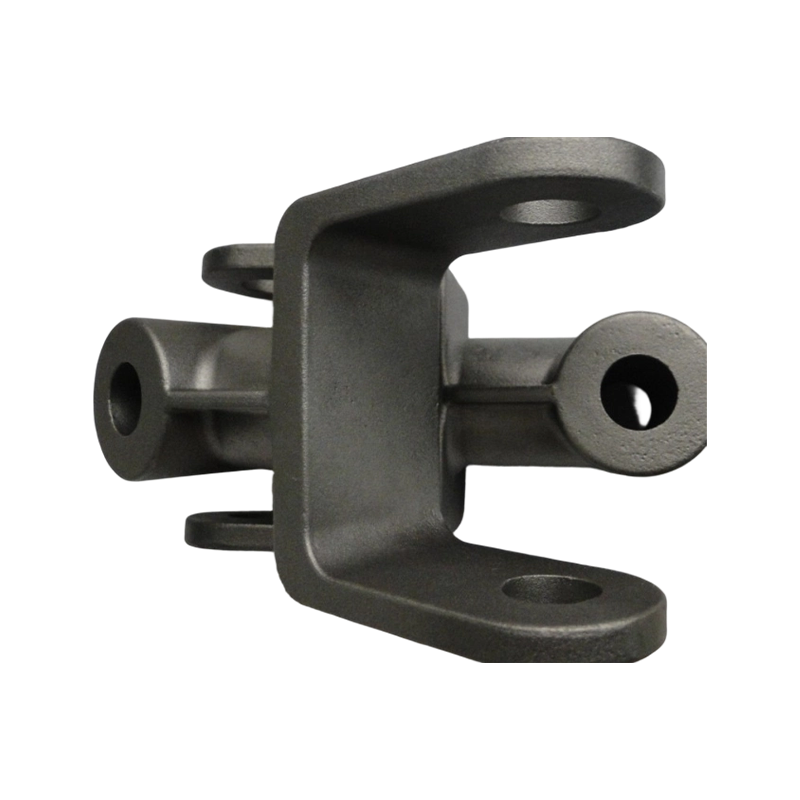
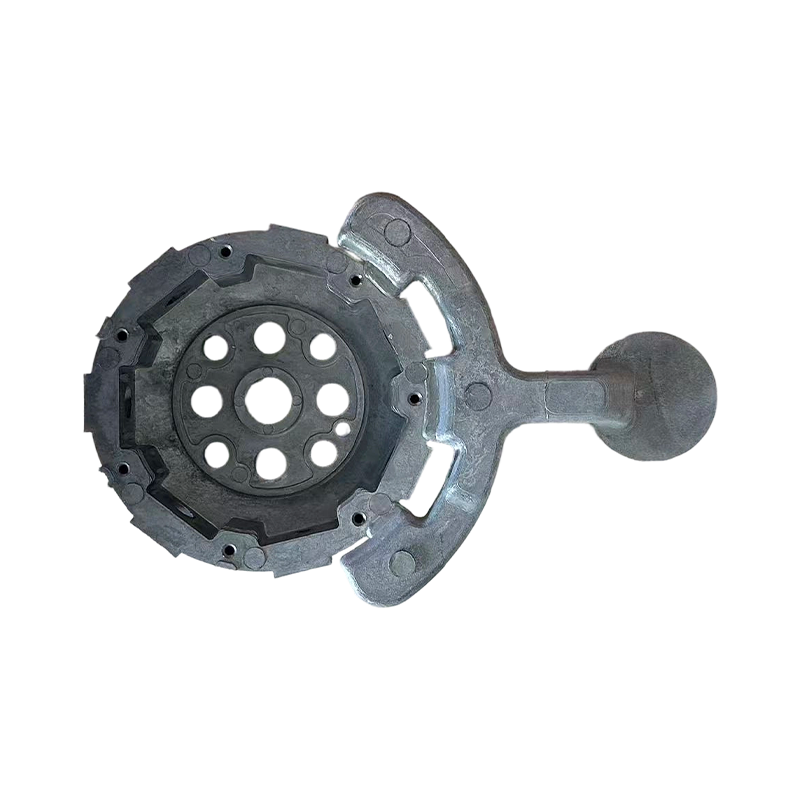
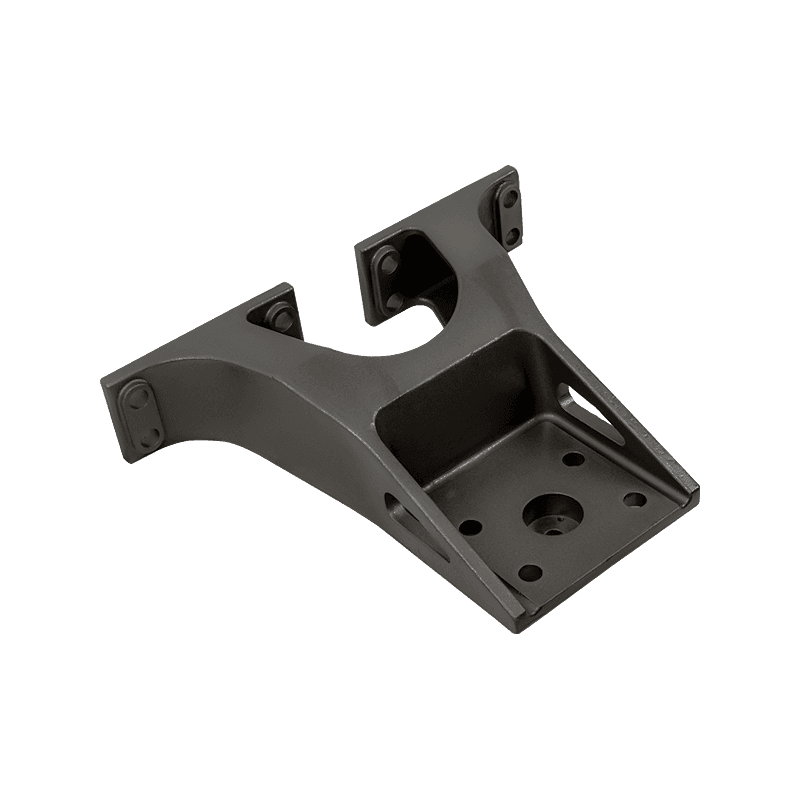
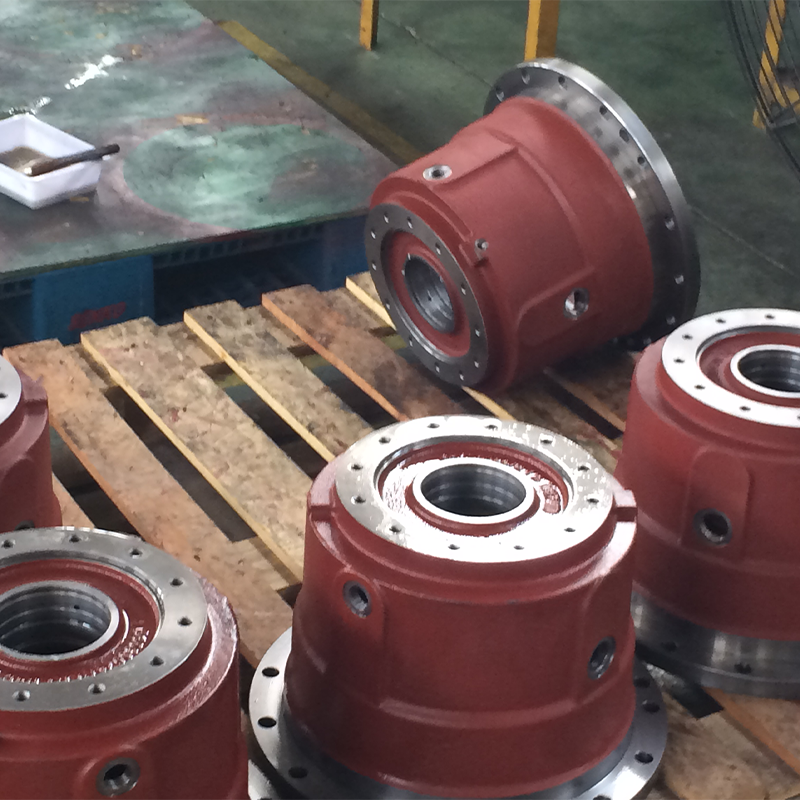
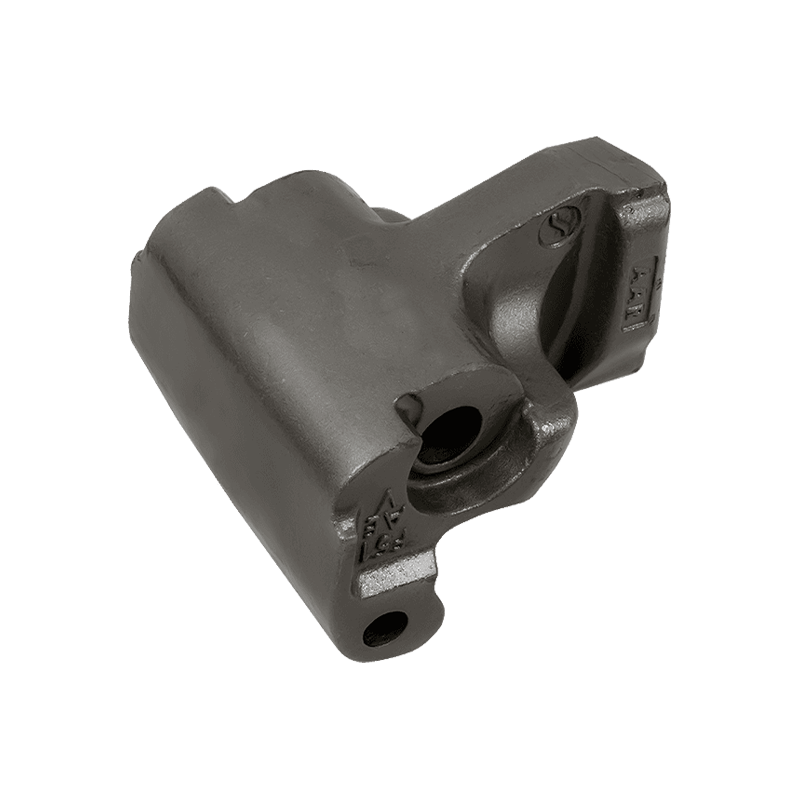
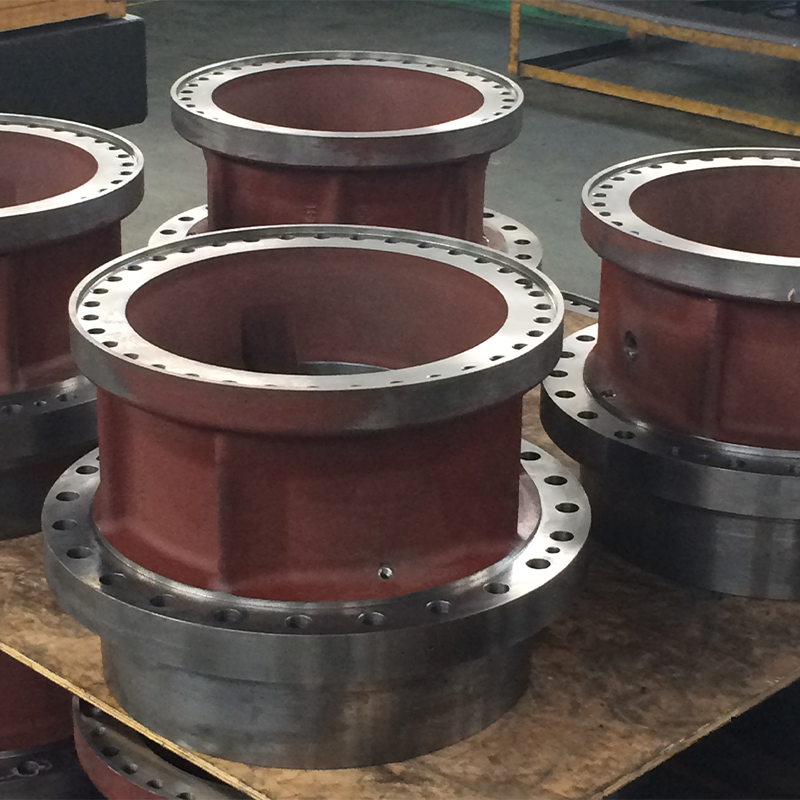
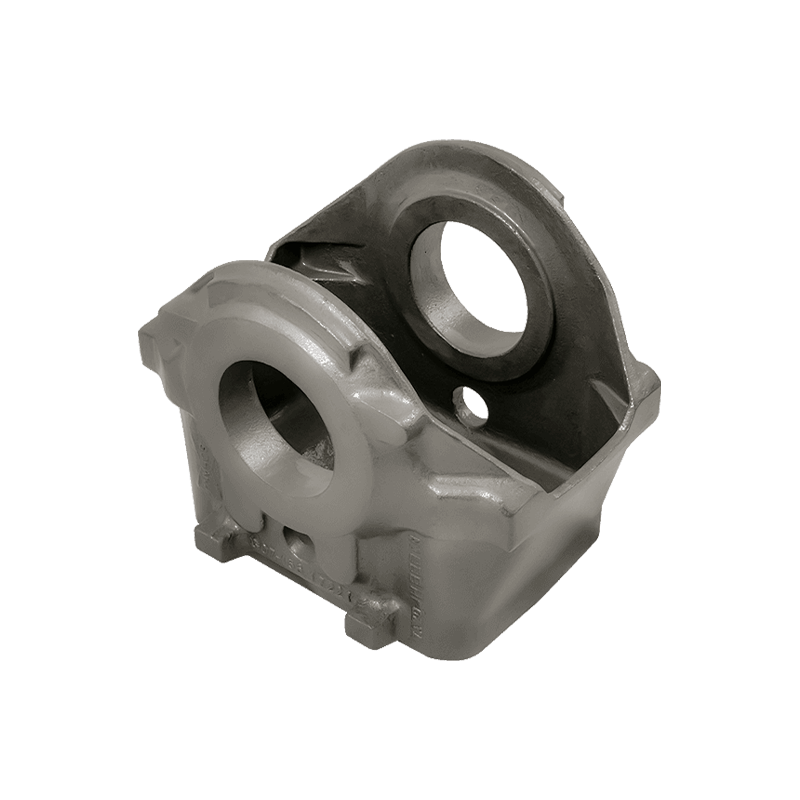
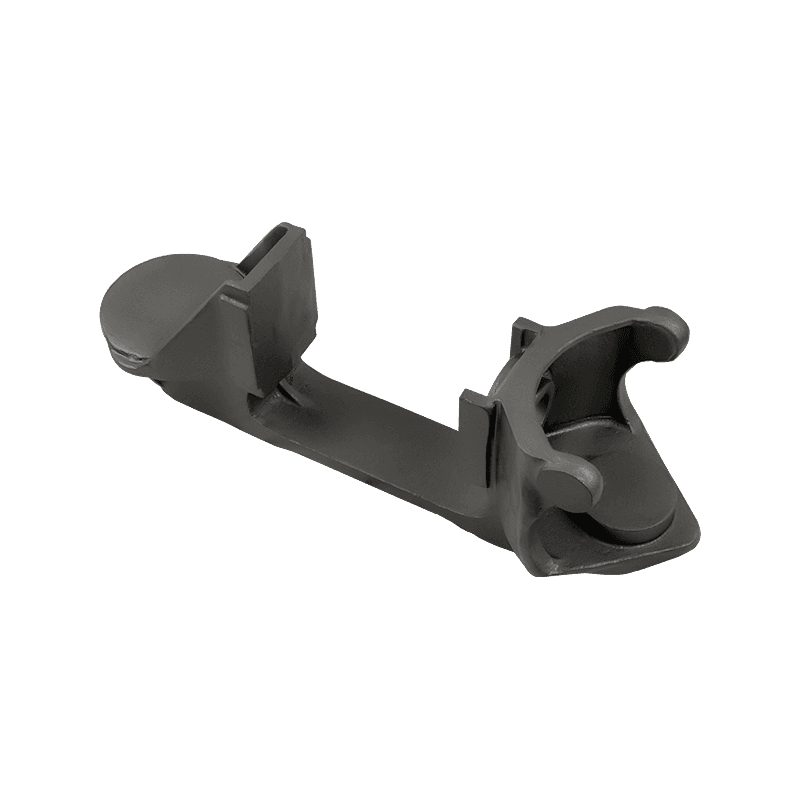
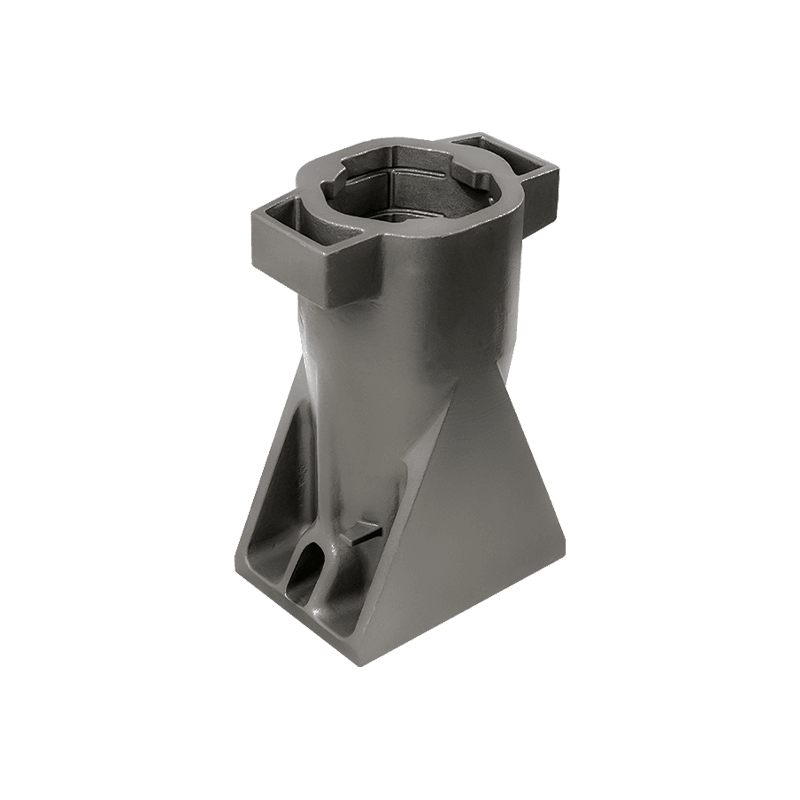
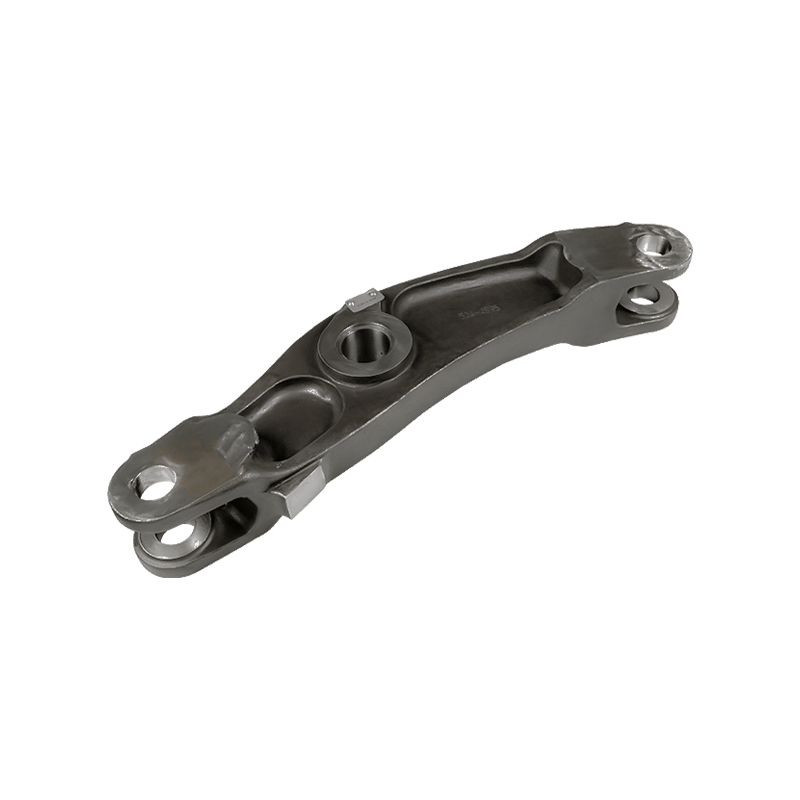



How to prevent porosity and shrinkage defects in precision casting components?
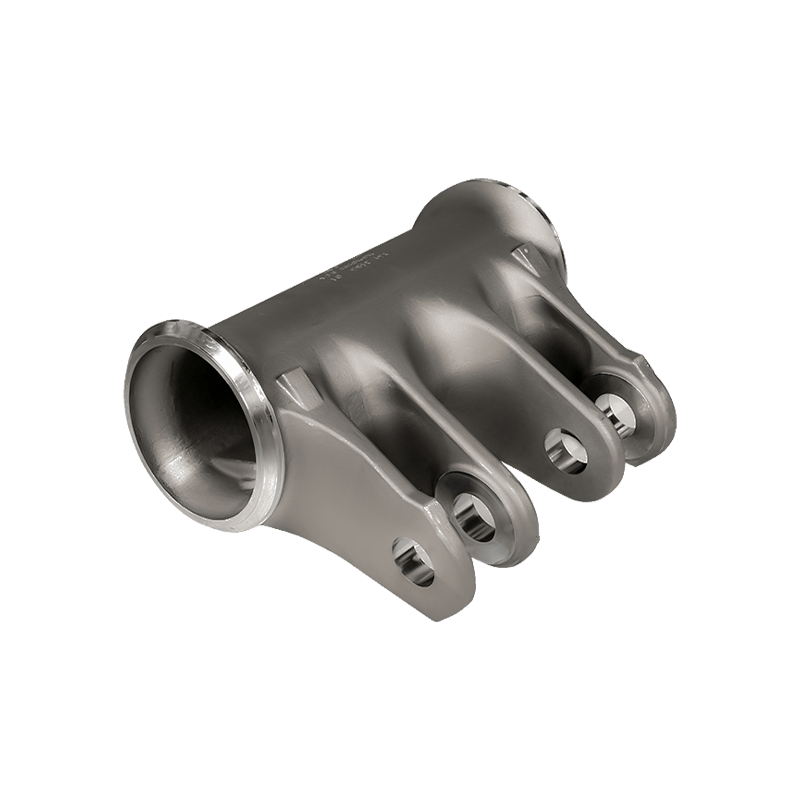
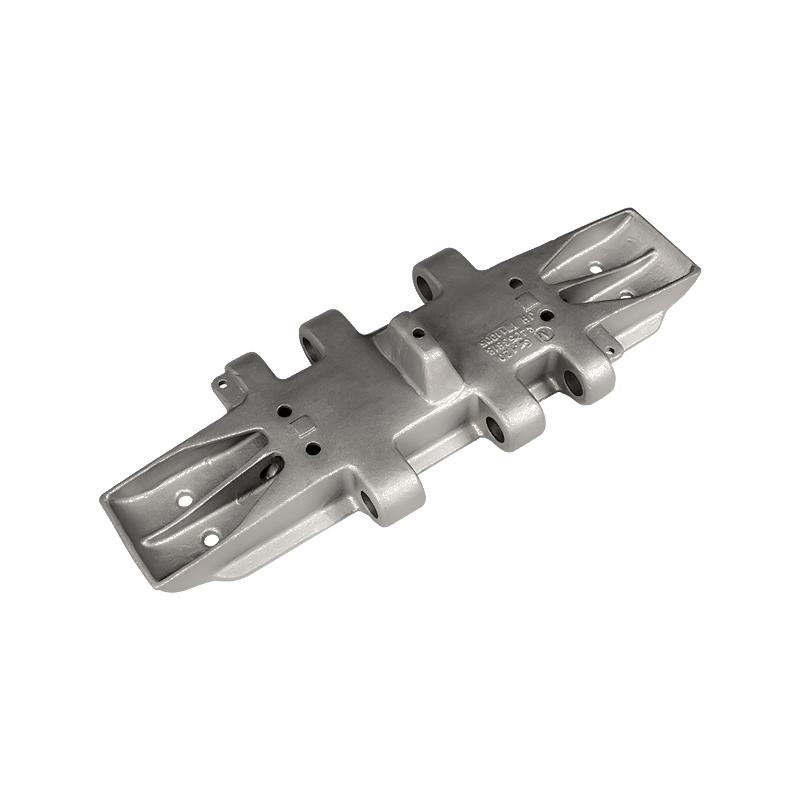
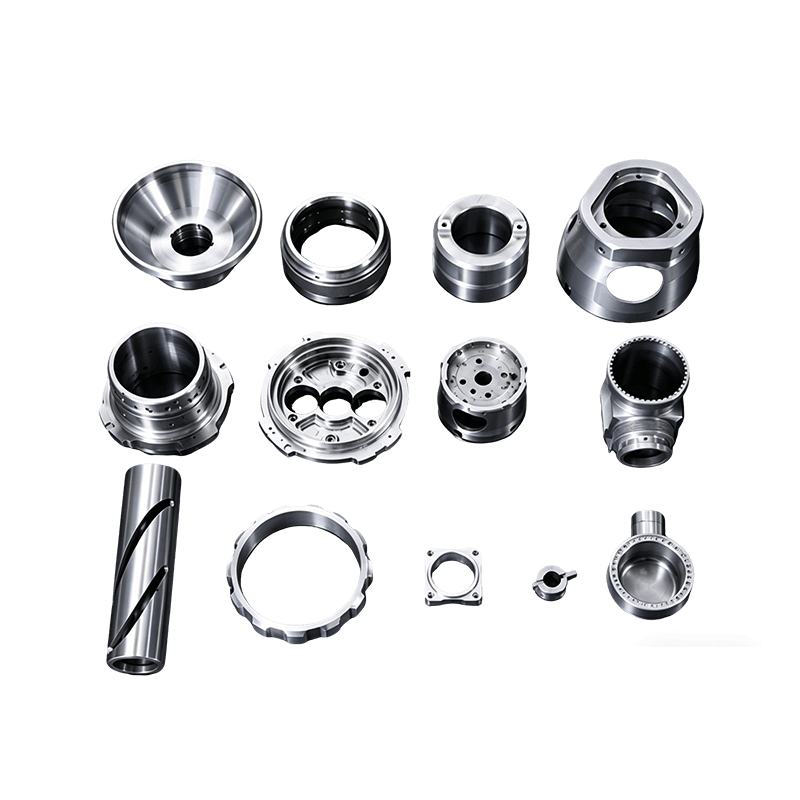
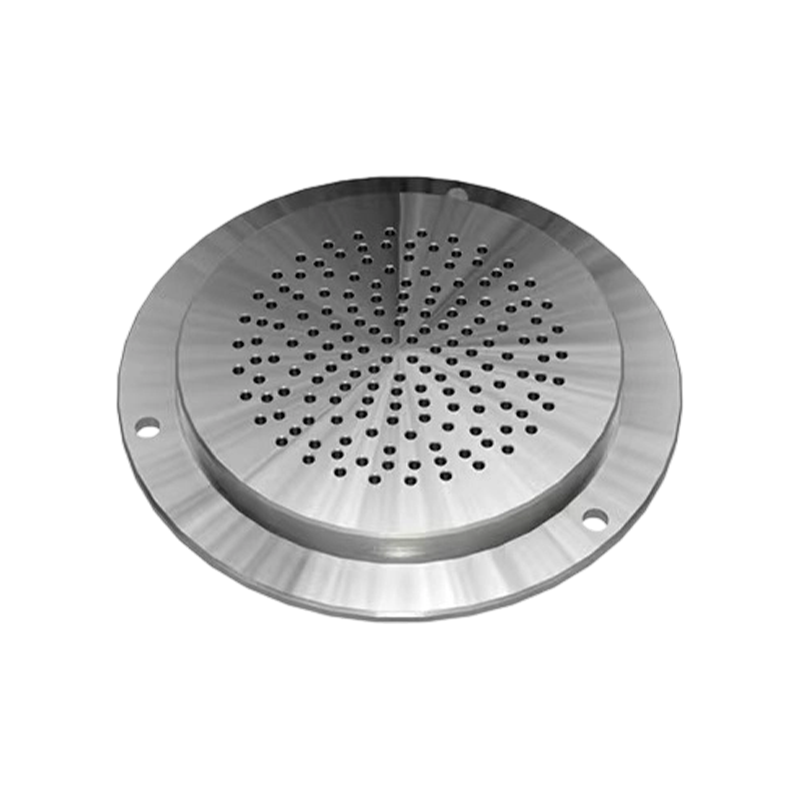
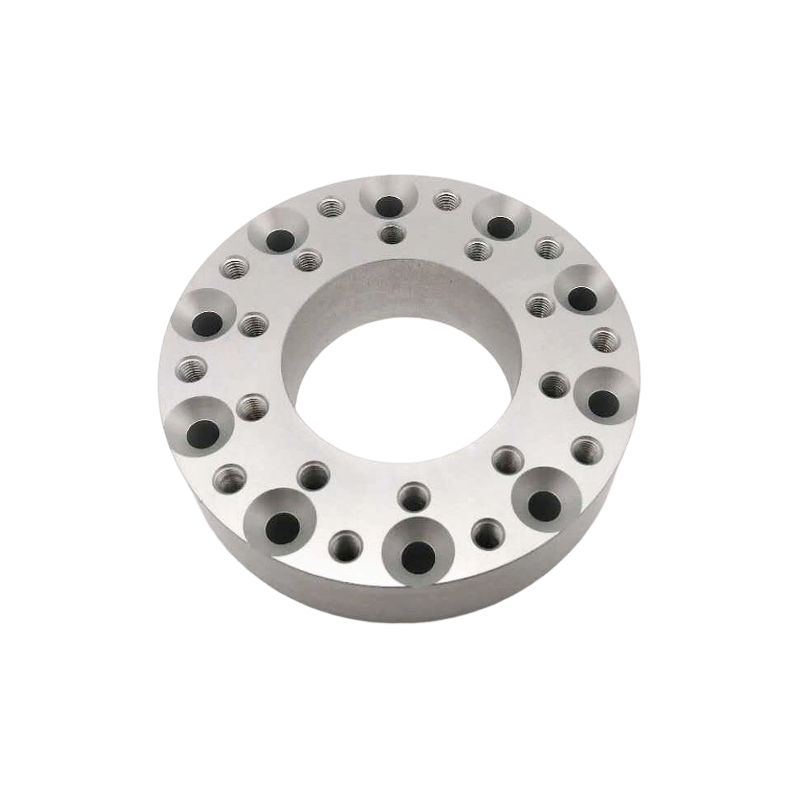
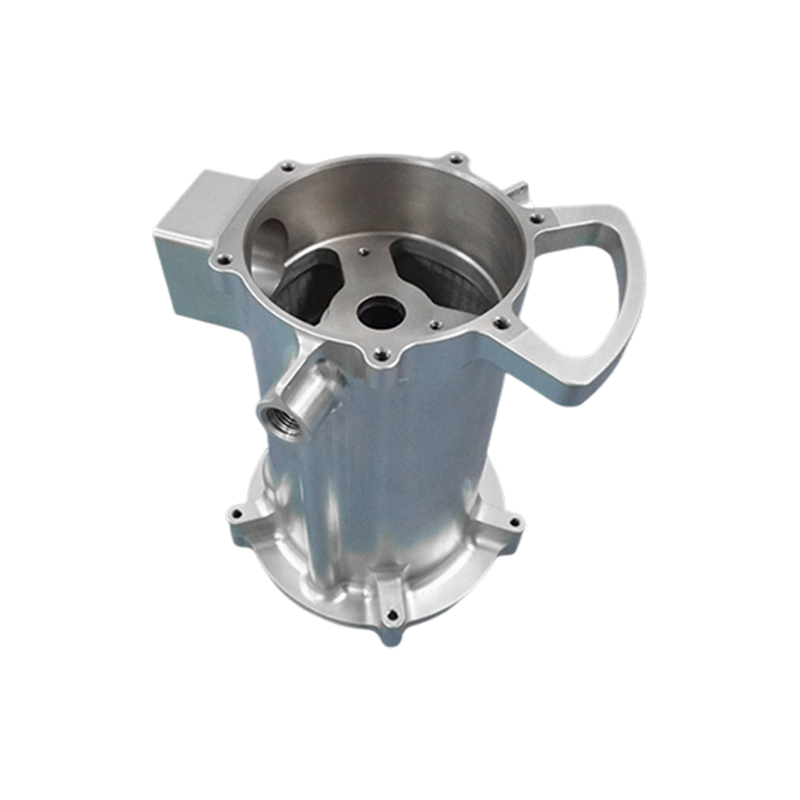
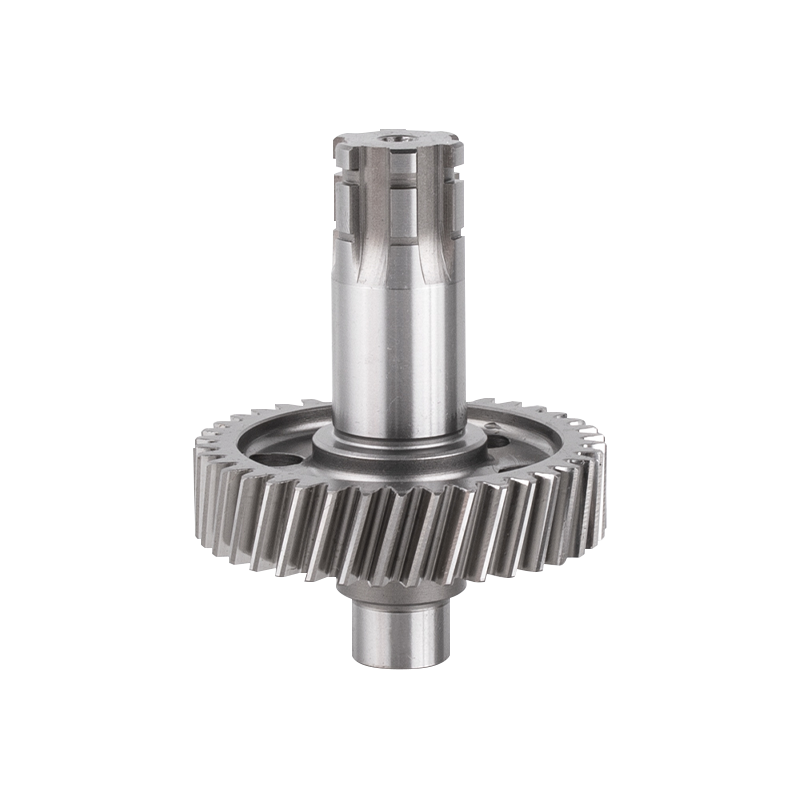
Precision casting is widely recognized as an advanced manufacturing method for producing complex metal parts with high dimensional accuracy and excellent surface quality. However, defects such as porosity and shrinkage remain major challenges that can affect mechanical performance, reliability, and service life. Effective defect prevention requires comprehensive control throughout mold design, material selection, melting, pouring, and post-processing. precision casting components are created through carefully controlled casting processes that transform complex design concepts into near-net-shape metal structures while reducing machining requirements.
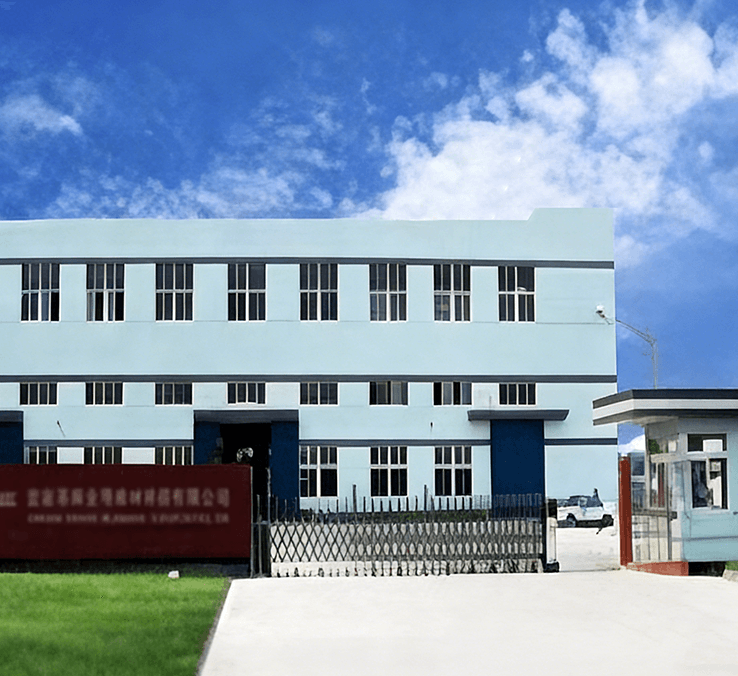
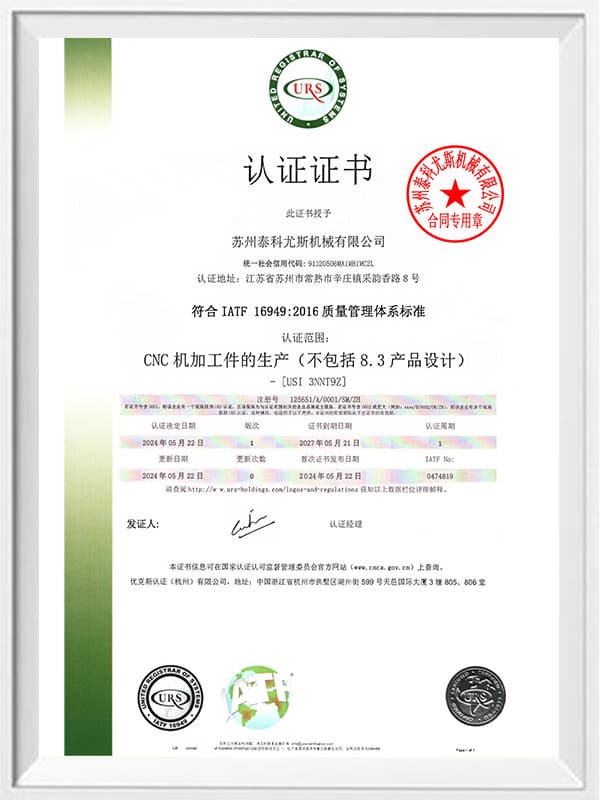
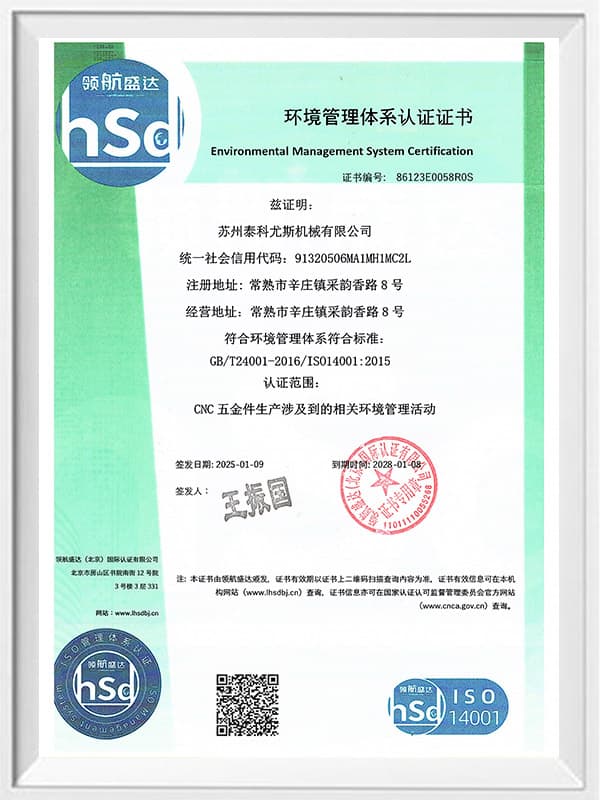
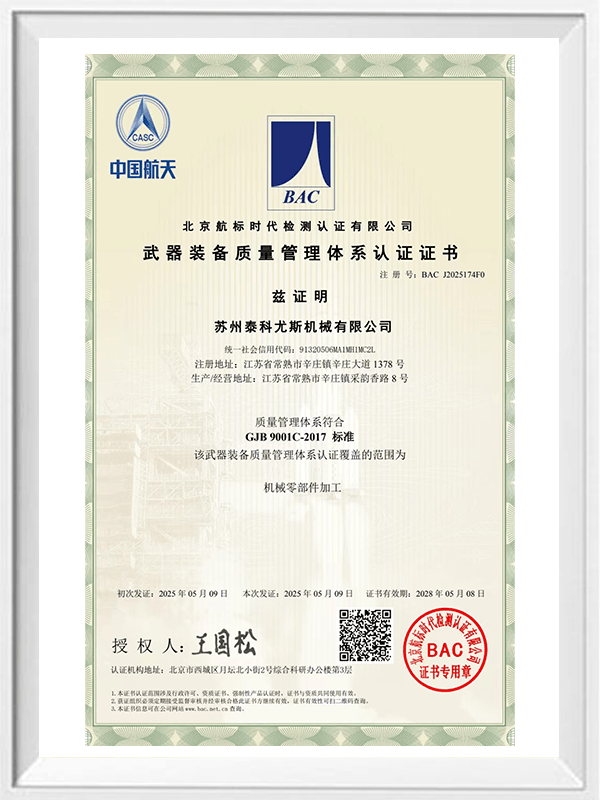
Modern precision casting technology combines traditional lost-wax casting knowledge with advanced manufacturing management systems. This approach enables the production of intricate components used in aerospace structures, medical devices, gas turbine applications, and industrial equipment. Suzhou Kokosili International Trading Co., Ltd. provides high-precision manufacturing services supported by precision casting capabilities, CNC machining, and assembly solutions. With a 10,000-square-meter precision casting factory and a 9,000-square-meter CNC machining and assembly facility, the company focuses on delivering customized components according to customer requirements.
1. Aerospace and High-Complexity Structural Casting Components
Aerospace applications require casting components with exceptional strength, dimensional stability, and structural integrity. Aerospace-oriented precision casting components are designed for complex geometries where conventional machining methods may result in excessive material waste or manufacturing limitations. These components often contain thin walls, internal passages, and irregular shapes that require precise control during the casting process.
The prevention of porosity in aerospace castings begins with optimized mold design and accurate feeding systems. Proper gating channels help ensure smooth metal flow and reduce turbulence, while suitable riser placement compensates for metal contraction during solidification. Vacuum-assisted casting and advanced inspection methods are commonly applied to minimize internal defects and improve reliability.
Suzhou Kokosili International Trading Co., Ltd. applies efficient production management and intelligent manufacturing methods to support complex structural casting projects. Through ERP data management and customized production coordination, the company can maintain consistency from prototype development to batch manufacturing. These capabilities are especially valuable for industries requiring strict quality control and traceable production processes.
- Complex structural designs with integrated functions and reduced assembly requirements.
- High dimensional accuracy suitable for demanding engineering applications.
- Improved material utilization compared with traditional subtractive manufacturing.
- Strong adaptability for customized aerospace and industrial designs.
2. Medical Device and Precision Implant Casting Components
Medical applications represent another important category of precision casting because they require excellent surface quality, biocompatibility considerations, and strict manufacturing consistency. Medical precision casting components are commonly used for customized implants, surgical tools, and specialized medical equipment parts where complex shapes and precise dimensions are essential.
Porosity prevention is particularly important in medical castings because internal voids may reduce mechanical reliability. Manufacturers typically focus on clean material preparation, controlled melting environments, and optimized solidification processes. Careful inspection procedures help identify potential defects before components enter final applications.
Compared with general industrial castings, medical casting products require stronger attention to surface finishing and dimensional consistency. The lost-wax process provides advantages in producing detailed structures that match specific design requirements. By integrating casting technology with precision machining capabilities, Suzhou Kokosili International Trading Co., Ltd. supports customers who need customized medical components with reliable quality management.
| Product Category | Main Features | Typical Applications | Defect Control Focus |
| Aerospace Casting Components | Complex geometry, lightweight structure, high strength | Aircraft structures, turbine-related parts | Feeding design, solidification control, inspection |
| Medical Casting Components | High precision, detailed surface, customized design | Implants, medical instruments | Material purity, surface quality, internal integrity |
| Industrial Equipment Casting Components | Durability, flexible design, production efficiency | Automation equipment, energy systems | Process stability, dimensional accuracy |
3. Industrial Equipment and Energy Application Casting Components
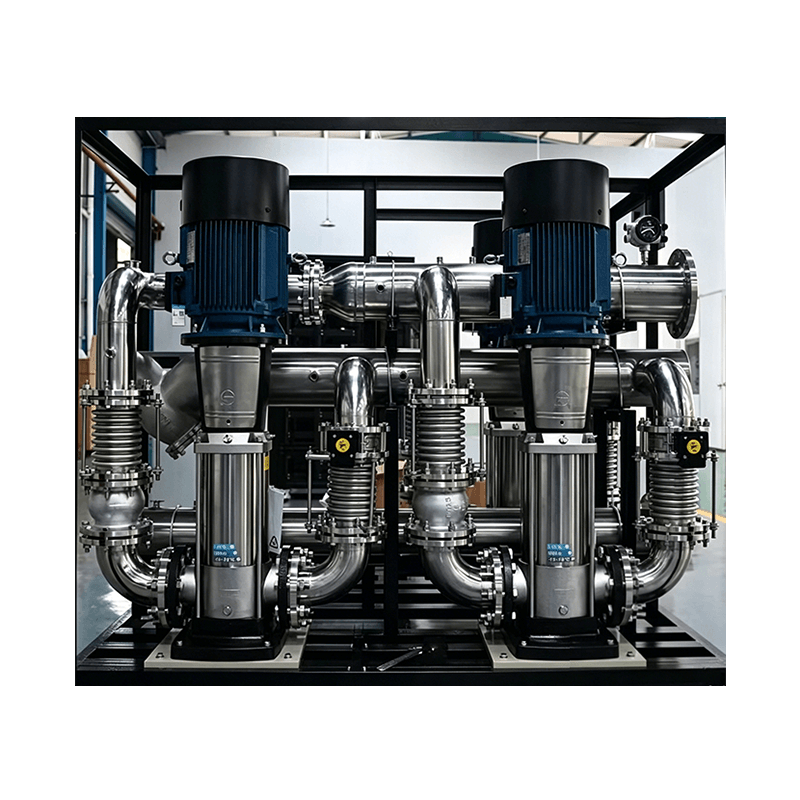
Industrial and energy sectors require casting solutions that combine durability, production efficiency, and design flexibility. Precision casting components used in these fields often include equipment housings, structural supports, energy system parts, and customized mechanical elements. Unlike standard castings, these components are manufactured according to specific operational conditions and performance requirements.
Shrinkage defects are one of the most common concerns in large industrial castings. During cooling, uneven solidification can create cavities or weak areas inside the component. To prevent these issues, manufacturers must analyze casting structure, improve feeding efficiency, and maintain stable pouring conditions. Proper process planning ensures that metal fills the mold completely and solidifies evenly.
Suzhou Kokosili International Trading Co., Ltd. provides integrated manufacturing solutions covering precision casting, CNC machining, and assembly. This combination allows customers to receive complete component solutions rather than isolated casting products. The company serves industries including new energy, automated logistics, aerospace, and advanced equipment manufacturing by offering customized production support.
- Analyze component structure and identify areas with potential shrinkage risks before production.
- Optimize mold design, gating systems, and feeding methods to improve metal flow.
- Control production parameters and conduct quality inspections throughout manufacturing.
- Apply machining and finishing processes to achieve final dimensional requirements.
Key Methods for Reducing Porosity and Shrinkage
Although different casting categories have different requirements, the fundamental principles for preventing defects remain similar. Manufacturers should begin with accurate engineering analysis and continue with strict process control. Material selection, mold preparation, temperature management, and inspection procedures all influence the final quality of cast components.
Another important factor is production experience. Complex casting projects require cooperation between design engineers, process specialists, and quality teams. Suzhou Kokosili International Trading Co., Ltd. combines manufacturing resources with professional production management to improve efficiency and consistency. Its intelligent warehousing system and ERP-based management process help coordinate customized orders and support stable delivery.
Frequently Asked Questions
Q1: What causes porosity in Precision Casting Components?
Porosity is usually caused by trapped gas, insufficient feeding, or uncontrolled solidification. Preventing it requires optimized mold design, clean material preparation, and proper casting process management.
Q2: How are shrinkage defects prevented in precision casting production?
Shrinkage defects can be reduced through improved feeding systems, balanced cooling conditions, and detailed process analysis. Proper design ensures that metal contraction during solidification does not create internal cavities.
Q3: What advantages do precision casting components offer compared with traditional machining?
Precision casting components can achieve complex shapes with reduced material waste and fewer machining operations. They are especially suitable for applications requiring integrated structures and detailed geometries.
Q4: What manufacturing capabilities does Suzhou Kokosili International Trading Co., Ltd. provide?
Suzhou Kokosili International Trading Co., Ltd. provides precision casting, CNC machining, assembly, and customized manufacturing services. The company supports industries such as aerospace, medical, new energy, and automated logistics with integrated production solutions.
Q5: Which applications benefit most from precision casting technology?
Applications requiring complex structures, high accuracy, and reliable performance benefit most from precision casting technology. These include aerospace components, medical implants, gas turbine parts, and customized industrial equipment.
