English
  русский
  عربى
عربى 
Understanding Military Components: Definition and Classification
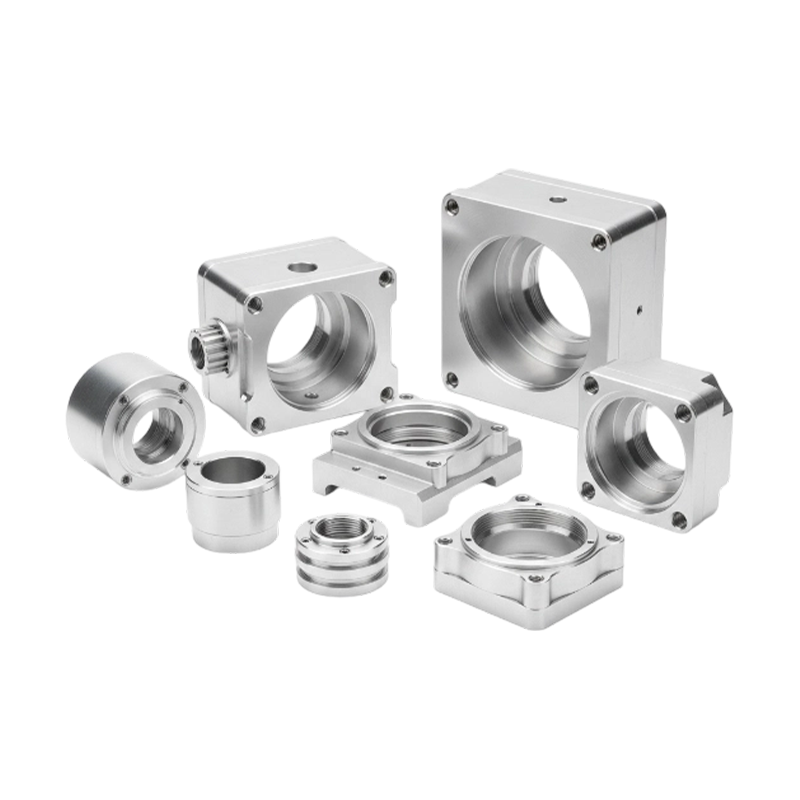
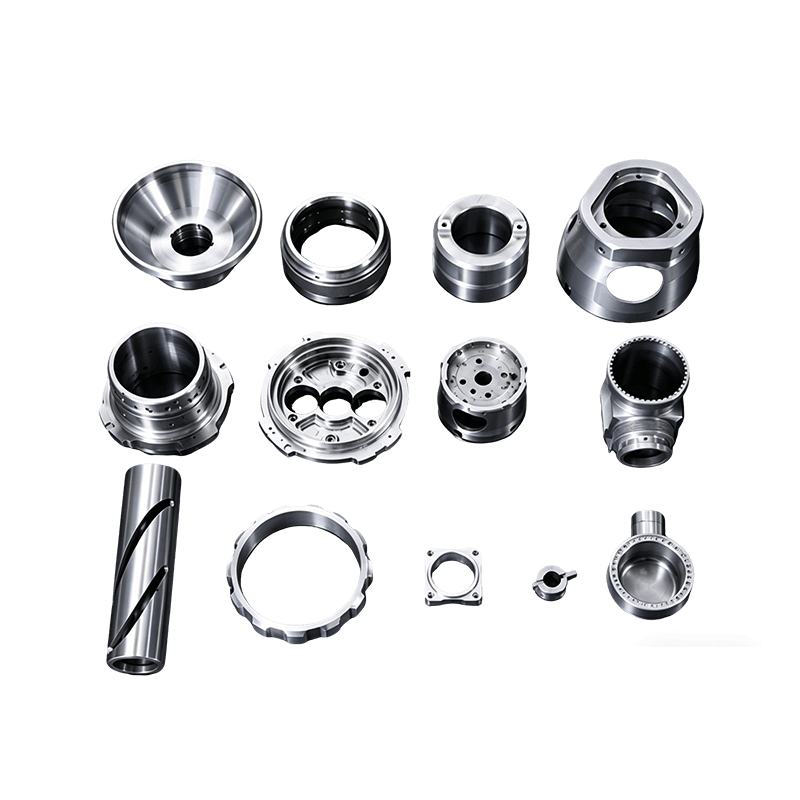
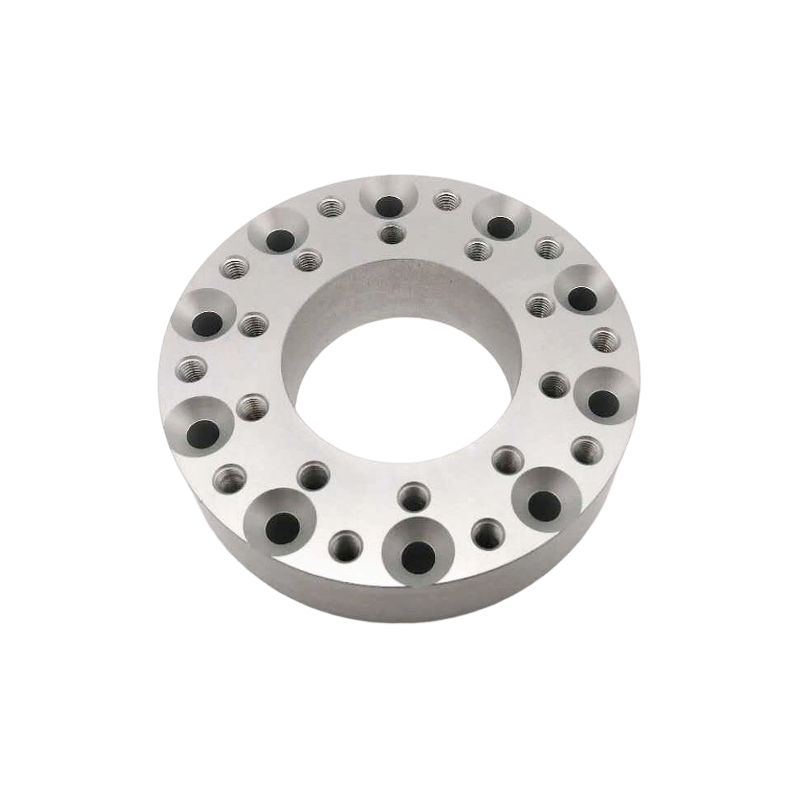
Military components are engineered parts, assemblies, and subsystems designed specifically for defense applications. These components range from fasteners and connectors to complex electronic assemblies and structural elements. What distinguishes military components from commercial equivalents is the combination of performance requirements, reliability standards, and documentation rigor mandated by military specifications.
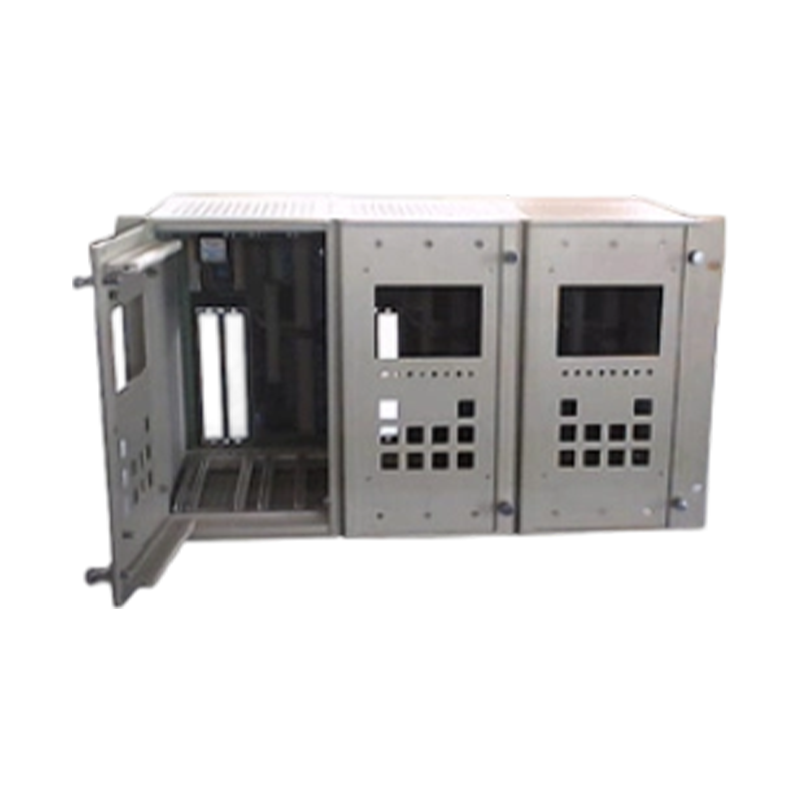
Military components are classified by application category, performance level, and environmental resistance. Categories include mechanical components such as bearings and fasteners, electronic components including connectors and circuit boards, structural components for vehicles and aircraft, and specialized components for weapons systems and communication equipment. Each category carries specific performance requirements defined in applicable military standards.
The defense supply chain depends on military components manufactured to exacting standards. Components must function reliably in combat conditions, extreme environments, and high-stress applications where failure is not an option. This fundamental requirement drives every aspect of military component engineering, from material selection to quality assurance.
For detailed product specifications and ordering information, visit our military components product page.
MIL-SPEC and MIL-STD Framework
The military specification framework forms the foundation of military component engineering. Understanding this framework is essential for manufacturers, suppliers, and procurement professionals operating in the defense sector.
MIL-SPEC Overview
MIL-SPEC, or military specifications, define the technical requirements for materials, products, and services procured by the Department of Defense. These specifications cover every aspect of component design and manufacturing including dimensions, materials, performance parameters, testing procedures, and acceptance criteria. MIL-SPEC documents are identified by document numbers such as MIL-DTL-xxxxx for detail specifications or MIL-PRF-xxxxx for performance specifications.
MIL-SPEC documents are legally binding requirements that suppliers must meet to qualify for defense contracts. Compliance is verified through testing, inspection, and documentation review conducted by Defense Contract Management Agency personnel or authorized representatives. Non-compliance results in rejection of components and potential disqualification from future contracts.
MIL-STD Standards
MIL-STD standards complement MIL-SPEC by defining standard practices, test methods, and procedures used in military component manufacturing. MIL-STD-810 focuses on environmental engineering considerations and laboratory tests, while MIL-STD-883 covers test methods for microcircuits. MIL-STD-1916 establishes sampling procedures and inspection levels for quality control.
MIL-STD documents provide the technical basis for verification activities. Manufacturers must follow prescribed test methods and procedures when demonstrating compliance with MIL-SPEC requirements. The combination of MIL-SPEC requirements and MIL-STD test methods creates a comprehensive framework for ensuring component quality and reliability.
Performance Specifications vs. Detail Specifications
Performance specifications, designated MIL-PRF, define required performance characteristics rather than prescribing specific design solutions. These specifications allow manufacturers flexibility in achieving performance targets through innovative design approaches. Detail specifications, designated MIL-DTL, prescribe specific design features, dimensions, and material compositions that must be followed exactly.
Performance specifications are generally preferred for modern defense procurement because they encourage innovation and technological advancement. Detail specifications remain appropriate for components where compatibility with existing systems requires exact dimensional and material compliance.
Material Selection for Military Components
Material selection is a critical decision in military component engineering, directly impacting component performance, reliability, and service life. Military applications impose requirements that exceed those typical of commercial or industrial components.
Metallic Materials
Metallic materials used in military components must provide exceptional strength, fatigue resistance, and corrosion protection. Aerospace-grade aluminum alloys such as 7075-T6 and 2024-T3 are common in aircraft applications requiring high strength-to-weight ratios. Titanium alloys offer excellent strength-to-weight ratios and superior corrosion resistance for components exposed to harsh environments. Stainless steel grades including 17-4PH and 15-5PH provide corrosion resistance and high strength for structural components. Nickel-based superalloys such as Inconel 718 maintain strength at elevated temperatures for engine and exhaust system components.
Material qualification for military applications requires extensive testing beyond standard material certifications. Test programs must demonstrate performance across the full operational temperature range, resistance to corrosion under military environmental conditions, and consistent mechanical properties across production batches.
Composite Materials
Composite materials are increasingly used in military components to achieve weight reduction while maintaining structural performance. Carbon fiber composites provide exceptional stiffness and strength-to-weight ratios for airframe and structural applications. Glass fiber composites offer cost-effective performance for secondary structures and components. Ceramic matrix composites provide high-temperature capability for propulsion and thermal protection applications.
Composite material qualification requires understanding of manufacturing process controls because composite properties depend heavily on processing conditions. The Department of Defense maintains qualification programs for composite materials used in critical applications, verifying consistent performance across production sources.
Coatings and Surface Treatments
Coatings and surface treatments protect military components from corrosion, wear, and environmental degradation. Anodizing protects aluminum components from corrosion while providing wear resistance. Chromate conversion coatings provide corrosion protection for aluminum and other materials. Electrodeposited coatings, including cadmium and zinc-nickel, provide sacrificial corrosion protection for steel components. Thermal spray coatings such as tungsten carbide provide wear resistance for high-wear applications.
Coating selection requires consideration of application environment, compatibility with substrate materials, and compliance with environmental regulations. Some coatings traditionally used in military applications face restrictions under environmental regulations, requiring alternative approaches.
Material Selection Considerations
Material selection decisions must consider the full component lifecycle including manufacturing processes, operational performance, and maintenance requirements. Manufacturing considerations include machinability, formability, weldability, and availability in required forms. Operational considerations include temperature capability, corrosion resistance, fatigue performance, and damage tolerance. Maintenance considerations include inspectability, repairability, and availability of replacement materials.
Manufacturing Processes for Military Components
Manufacturing processes for military components must achieve precise dimensional tolerances, consistent material properties, and reliable performance. Process selection and control are essential elements of military component production.
Precision Machining
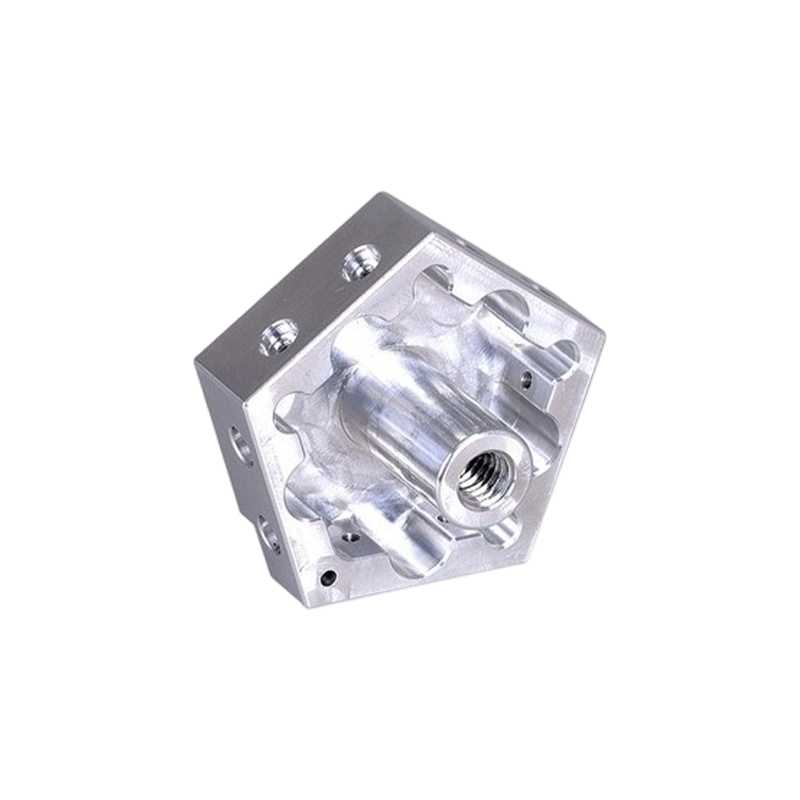
Precision machining is the primary manufacturing process for many military components, achieving dimensional accuracy and surface finish required for critical applications. Computer numerical control machining centers provide repeatable precision for complex geometries. Five-axis machining enables production of complex features and contoured surfaces. Swiss-type automatic lathes produce small-diameter components with high precision. Electrical discharge machining enables production of complex internal features and hard material components.
Machining process control includes tool wear monitoring, dimensional inspection, and surface finish verification. Statistical process control methods track process capability and identify variations before they result in non-conforming parts.
Investment Casting
Investment casting, also known as lost-wax casting, produces near-net-shape components with complex geometries and fine detail. This process is used for turbine blades, structural components, and complex housings where machining alone would be impractical. Investment casting provides excellent surface finish and dimensional accuracy compared to other casting methods.
Investment casting process control includes wax pattern quality, ceramic shell integrity, pouring temperature control, and solidification management. Radiographic and penetrant inspection verify casting integrity and identify internal defects.
Additive Manufacturing
Additive manufacturing is increasingly adopted for military components, enabling rapid prototyping, reduced lead times, and production of complex geometries not achievable with conventional methods. Laser powder bed fusion produces metal components with mechanical properties approaching wrought materials. Directed energy deposition enables repair and modification of existing components. Fused deposition modeling produces polymer components for non-critical applications.
Additive manufacturing qualification for military applications requires understanding of process variables, material properties, and post-processing requirements. The Department of Defense maintains qualification programs for additive manufacturing processes and materials, defining acceptance criteria for critical applications.
Heat Treatment and Surface Finishing
Heat treatment and surface finishing processes develop required mechanical properties and surface characteristics. Heat treatment processes include solution heat treatment, precipitation hardening, annealing, and stress relieving. Surface finishing processes include shot peening for fatigue life improvement, burnishing for surface finish enhancement, and grinding for dimensional accuracy.
Process control for heat treatment includes temperature monitoring, time-at-temperature tracking, and cooling rate control. Metallurgical inspection verifies that heat treatment achieved required microstructure and mechanical properties.
Quality Assurance and Inspection
Quality assurance for military components extends beyond conventional manufacturing quality control to include comprehensive documentation, traceability, and process validation. The quality system must meet requirements of AS9100 or equivalent aerospace quality management standards.
First Article Inspection
First Article Inspection is a mandatory quality activity for military component production. The first article is the initial production part manufactured using planned production processes, materials, and equipment. FAI verifies that the manufacturing process produces components meeting all specified requirements before production approval is granted.
FAI process includes dimensional inspection to verify all features meet drawing requirements, material test verification to confirm material properties, and process documentation review to verify that manufacturing and inspection procedures were followed. FAI results are documented in FAI reports submitted to procurement authorities for approval. Production cannot proceed until FAI approval is obtained.
In-Process Inspection
In-process inspection verifies that manufacturing processes remain in control and that components continue to meet requirements throughout production. In-process inspection includes dimensional inspection at critical processing steps, material property verification, and visual inspection for surface defects.
In-process inspection frequency and sampling plans are defined in the quality plan developed for each component. Statistical process control charts track process performance and identify variations requiring corrective action.
Final Inspection and Testing
Final inspection and testing verify that completed components meet all specified requirements. Final inspection includes dimensional verification, visual inspection, and functional testing as applicable. Functional testing confirms that components perform as intended under specified conditions.
Acceptance criteria for final inspection are defined in MIL-SPEC or procurement documentation. Components failing to meet acceptance criteria are rejected and subject to disposition review. Rejected components may be reworked, scrapped, or accepted under waiver depending on the nature and severity of the discrepancy.
Traceability and Documentation
Traceability is essential for military components, enabling identification of component history from raw material sourcing through final delivery. Traceability systems include lot identification for raw materials, heat numbers for metallic materials, and serialization for critical components.
Documentation requirements include material test certificates, process control records, inspection reports, and compliance certifications. These documents are maintained throughout the component lifecycle and must be accessible for review by procurement authorities, quality auditors, and maintenance organizations. Documentation retention periods are defined in contract requirements and applicable regulations.
Supplier Qualification and Management
Supplier qualification for military components involves comprehensive evaluation of manufacturing capabilities, quality systems, financial stability, and compliance history. Qualified suppliers are included on the Qualified Suppliers List maintained by procurement authorities.
Qualification Requirements
Qualification requirements include facility audit covering manufacturing equipment, inspection equipment, quality management system, and personnel qualifications. Financial assessment verifies the supplier's financial stability and ability to sustain operations through contract performance. Technical assessment evaluates manufacturing capability, material sourcing, and process control. Compliance history review examines past performance on defense contracts, quality issues, and delivery performance.
Qualification is a formal process documented in audit reports and qualification records. Suppliers achieving qualification receive certified supplier status, enabling participation in defense procurement opportunities.
Performance Monitoring
Supplier performance is monitored throughout contract performance. Performance monitoring includes on-time delivery tracking, quality performance measurement through defect rates and rejection rates, and responsiveness to inquiries and issues. Performance data is collected and reviewed periodically to identify trends and potential concerns.
Suppliers with sustained performance issues may be subject to increased surveillance, corrective action requirements, or qualification suspension. Suppliers with outstanding performance may receive recognition and favorable consideration for future procurement opportunities.
Subcontractor Management
Prime suppliers managing subcontractors for military components bear responsibility for subcontractor performance. Subcontractor qualification and management requirements parallel those for prime suppliers. Subcontractor quality systems, manufacturing capability, and compliance must be verified and maintained.
Subcontractor oversight includes on-site audits, process verification, and inspection of delivered components. Subcontractor quality issues may result in prime supplier liability for component non-conformance and schedule delays.
Procurement Considerations for Military Components
Procurement of military components involves unique considerations not typical of commercial procurement. Understanding these considerations is essential for successful procurement outcomes.
Specification Interpretation
MIL-SPEC and MIL-STD documents are complex technical documents requiring careful interpretation. Procurement organizations must develop specification interpretation expertise to ensure requirements are clearly understood and correctly applied. Specification interpretation issues frequently arise regarding test method selection, acceptance criteria application, and documentation requirements.
Resolution of specification interpretation issues requires consultation with subject matter experts and procurement authorities. Informal clarification requests may be processed through procurement channels, while formal specification change requests require submission through established procedures.
Lead Time Management
Military component procurement lead times are typically longer than commercial equivalents due to specialized material sourcing, qualification requirements, and inspection activities. Lead times may extend from weeks to months depending on component complexity and material availability.
Procurement planning must account for extended lead times through forecast-based ordering, strategic inventory management, and long-term supply agreements. Suppliers should be engaged early in the procurement process to identify potential lead time concerns and develop mitigation strategies.
Cost Drivers
Military component costs are driven by multiple factors including material costs for specialized alloys and materials, certification and testing costs for qualification activities, quality assurance and inspection costs for comprehensive verification, documentation costs for maintaining compliance records, and supply chain management costs for supplier oversight and coordination.
Cost management strategies include specification optimization to eliminate unnecessary requirements, supplier development to improve productivity and quality, and volume aggregation to achieve material cost reductions.
Common Challenges and Solutions in Military Component Manufacturing
Manufacturing military components presents unique challenges that require specialized knowledge and effective solutions.
Challenge: Maintaining Tight Tolerances
Military components often require dimensional tolerances tighter than typical commercial components. Maintaining these tolerances throughout production requires precision manufacturing equipment, consistent process control, and frequent dimensional verification.
Solutions include implementing automated inspection systems for consistent dimensional verification, developing process capability studies to identify and address variation sources, and utilizing advanced manufacturing technologies such as precision grinding and electrical discharge machining.
Challenge: Material Sourcing
Specialized materials for military components may have limited suppliers, long lead times, and high costs. Material sourcing challenges can affect production schedules and component costs.
Solutions include developing supplier relationships with material producers, maintaining strategic material inventories for critical materials, and evaluating alternative materials that meet performance requirements with improved availability.
Challenge: Quality Consistency
Maintaining consistent quality across production runs requires robust process control, effective quality systems, and skilled workforce. Quality variation leads to inspection rejections, rework, and schedule delays.
Solutions include implementing statistical process control to monitor and control manufacturing processes, conducting employee training to maintain workforce skills, and utilizing automated inspection systems to reduce inspection variability.
Challenge: Documentation Management
Military component documentation requirements generate substantial volumes of records requiring management and retention. Documentation issues can affect compliance verification and audit outcomes.
Solutions include implementing document management systems for efficient record management, maintaining audit-ready documentation to facilitate regulatory compliance, and utilizing digital documentation to improve accessibility.
Frequently Asked Questions
Conclusion
Military components represent the highest standard of engineering manufacturing, requiring exceptional material quality, precision manufacturing, and rigorous quality assurance. The MIL-SPEC and MIL-STD framework provides comprehensive requirements for component design, manufacturing, and verification.
Material selection decisions must consider performance across extreme conditions, compatibility with manufacturing processes, and qualification requirements. Manufacturing processes must achieve tight tolerances and consistent properties while maintaining traceability and documentation. Quality assurance encompasses First Article Inspection, in-process verification, final inspection, and comprehensive documentation.
Supplier qualification and management are essential for maintaining reliable supply chains capable of delivering components meeting military requirements. Procurement considerations include specification interpretation, lead time management, and cost management.
Understanding these engineering standards, material requirements, and quality protocols is essential for professionals involved in military component supply. For detailed specifications and ordering information, explore our full range of military components.