

 English
  русский
  عربى
عربى 

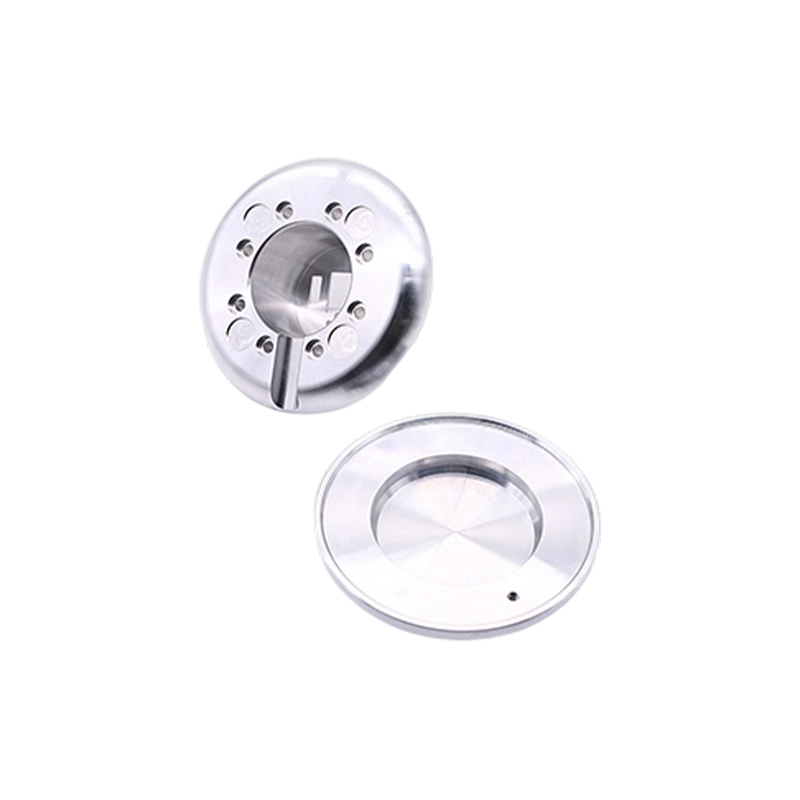
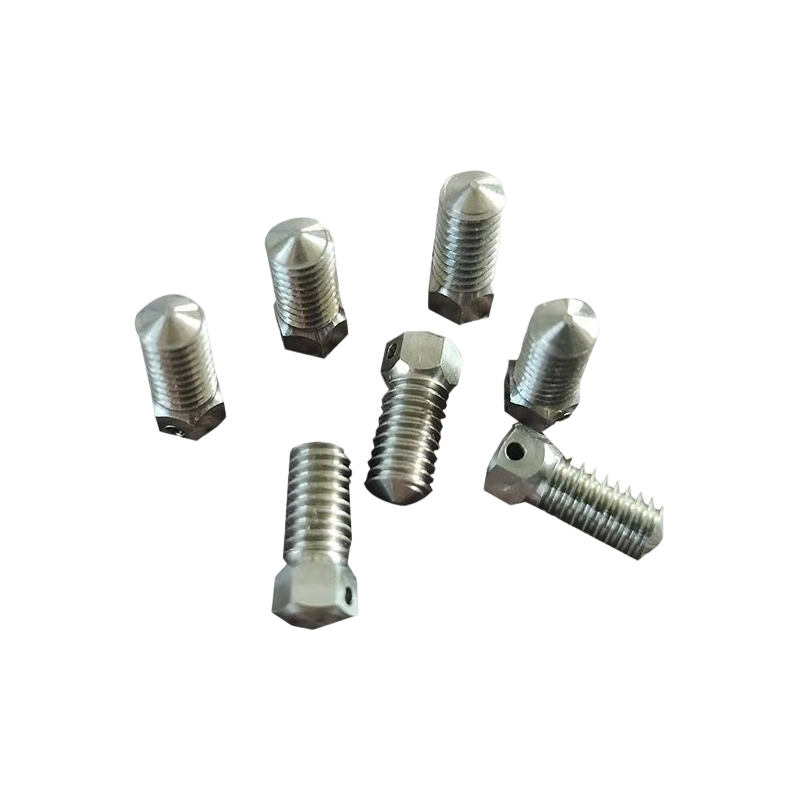
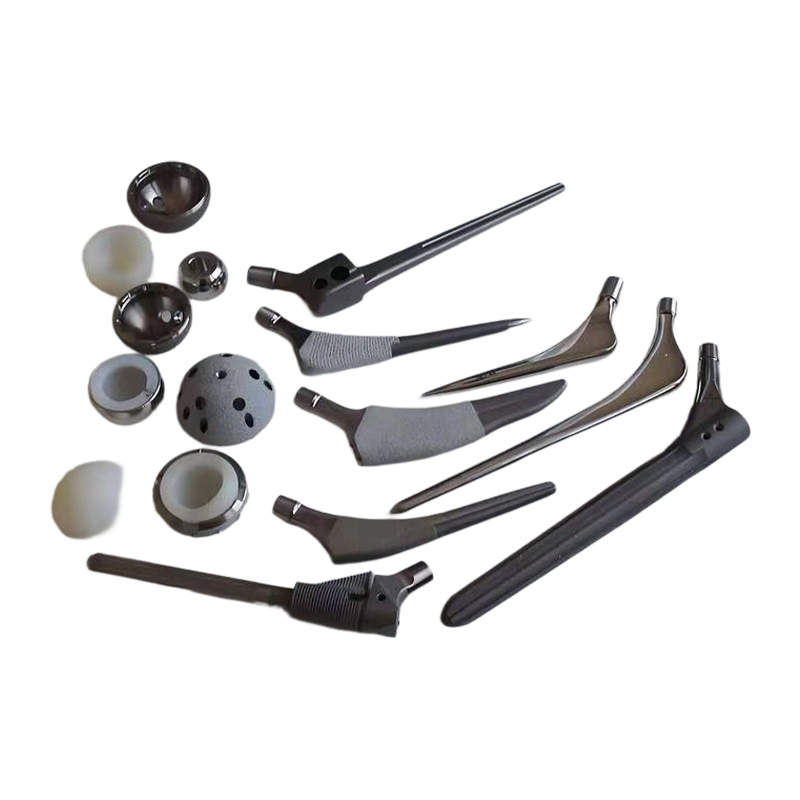
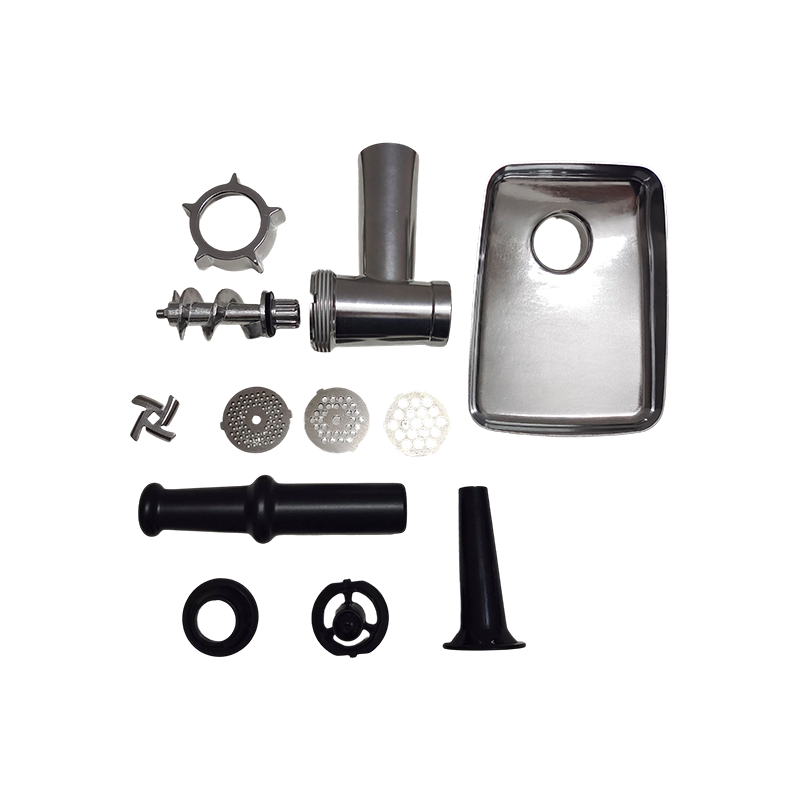





What Are Medical Device Components and How Do They Improve Device Performance?
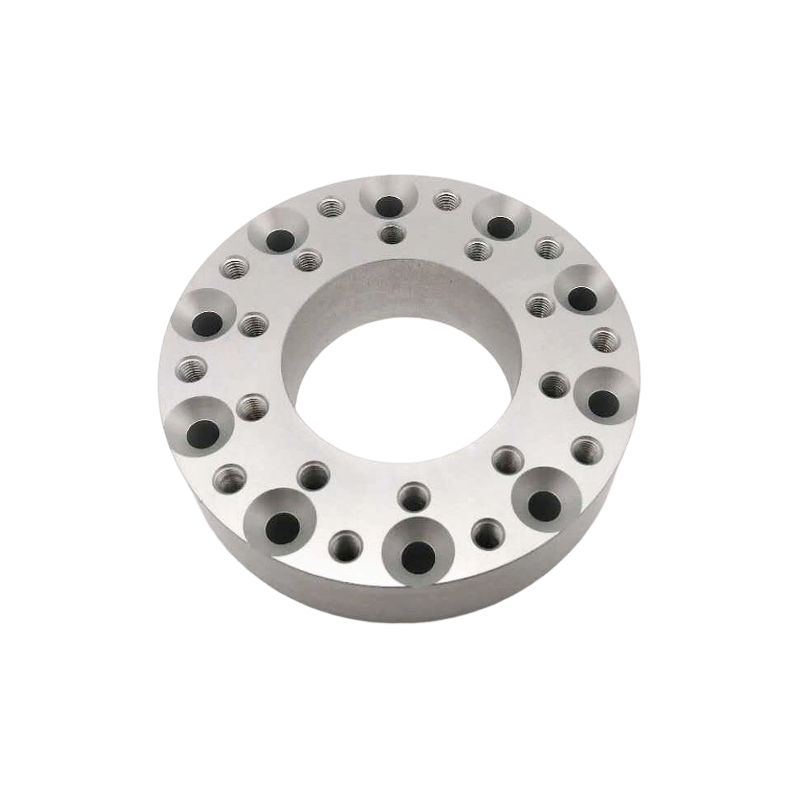
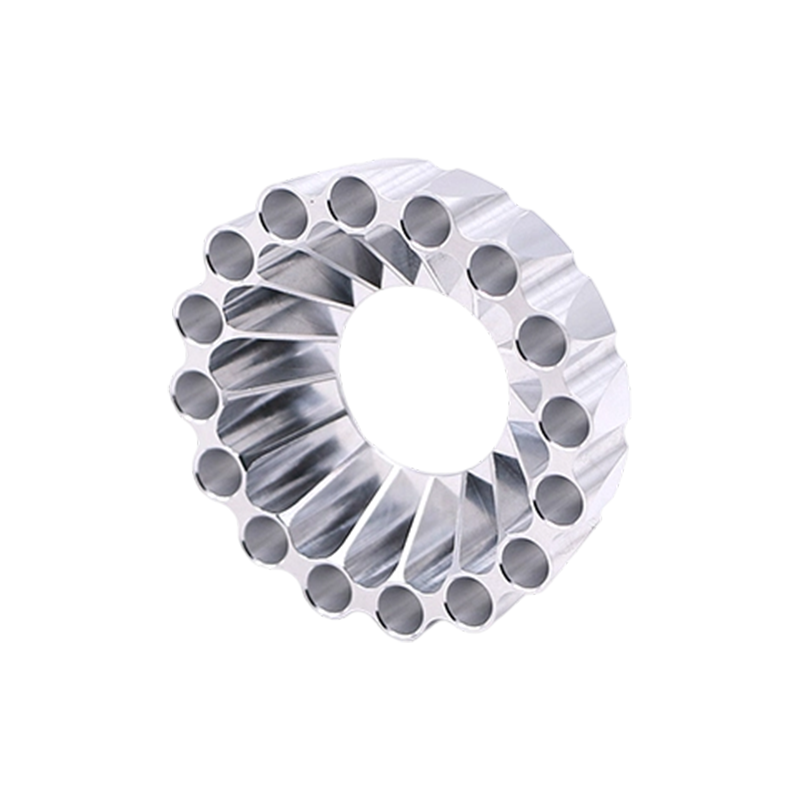
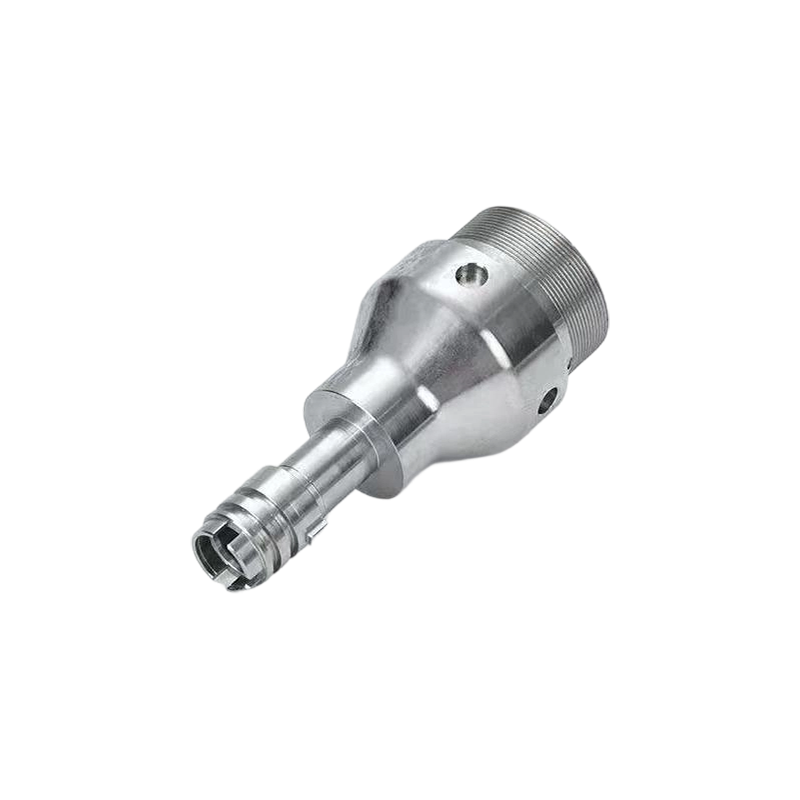
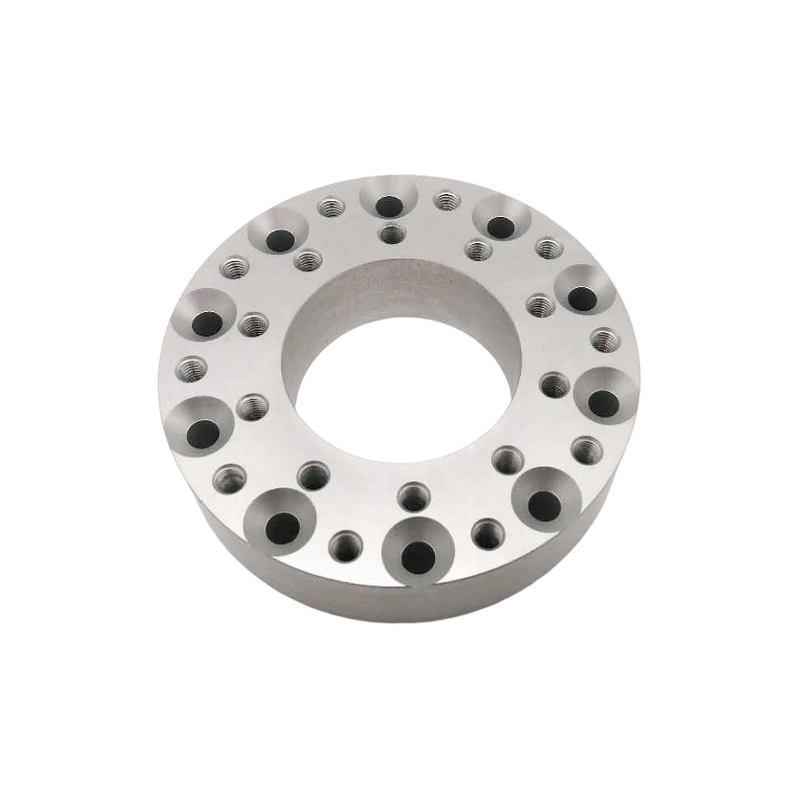
Medical devices rely on precise engineering, reliable materials, and advanced manufacturing processes to achieve accurate operation and long-term stability. At the core of these systems are medical device components, which include precision mechanical parts, structural elements, connectors, housings, and customized assemblies designed to support the functionality of medical equipment. From diagnostic instruments and surgical tools to laboratory equipment and healthcare systems, high-quality components directly influence device accuracy, durability, and user safety.
What Are Medical Device Components?
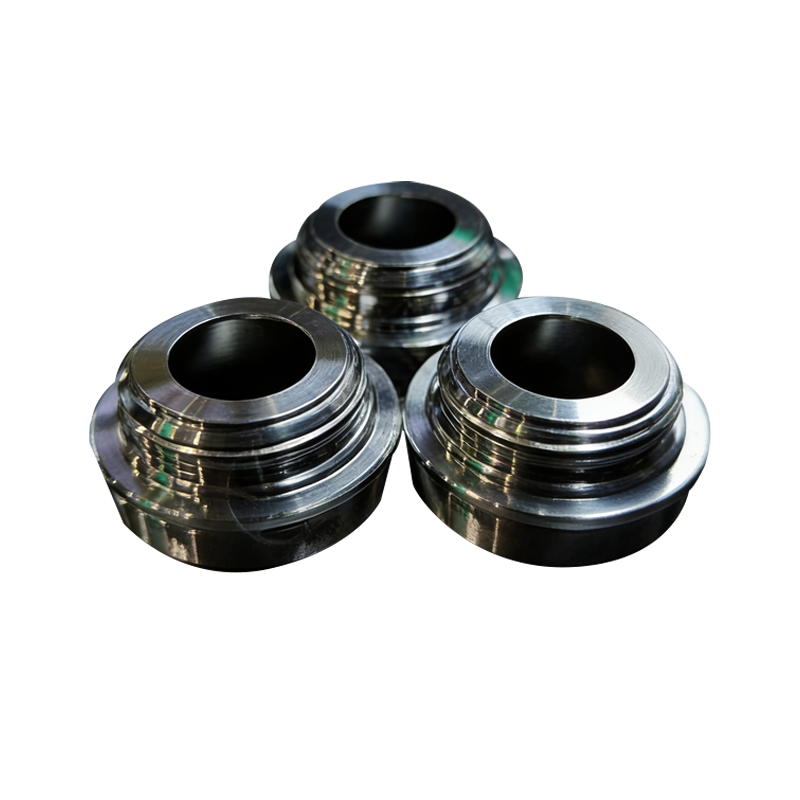
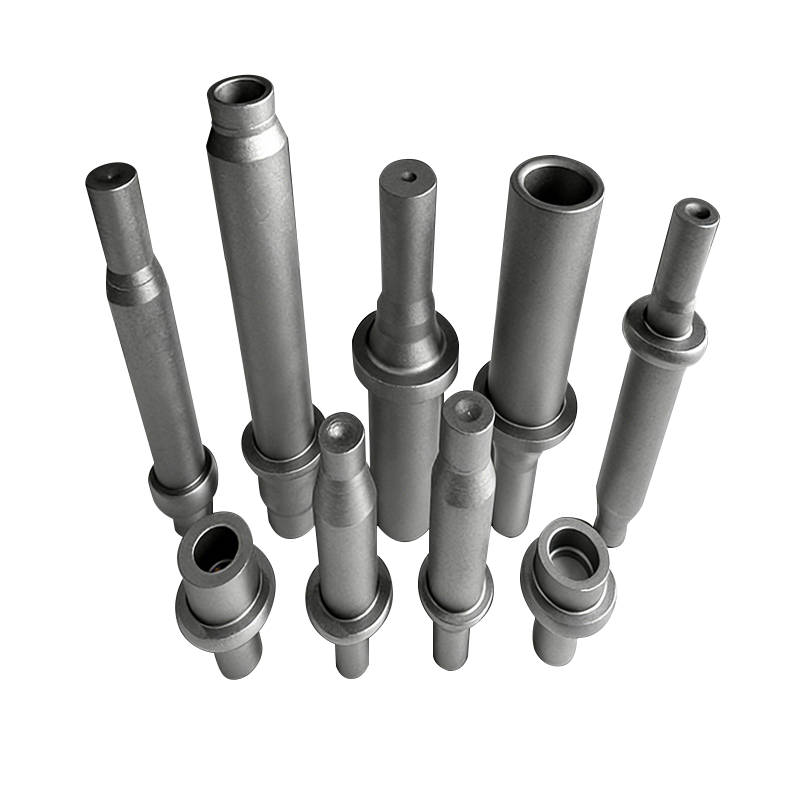
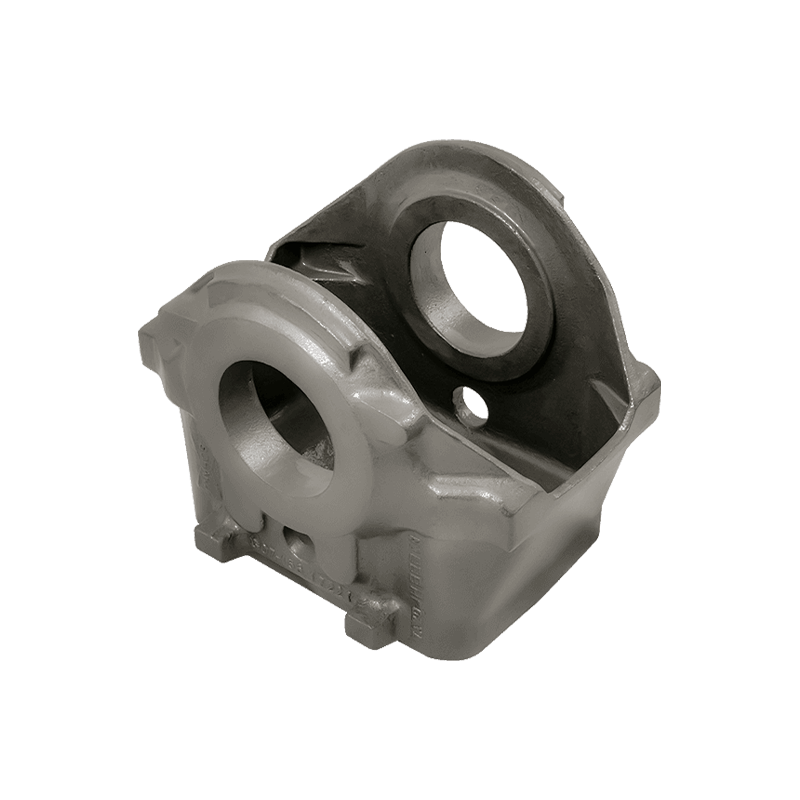
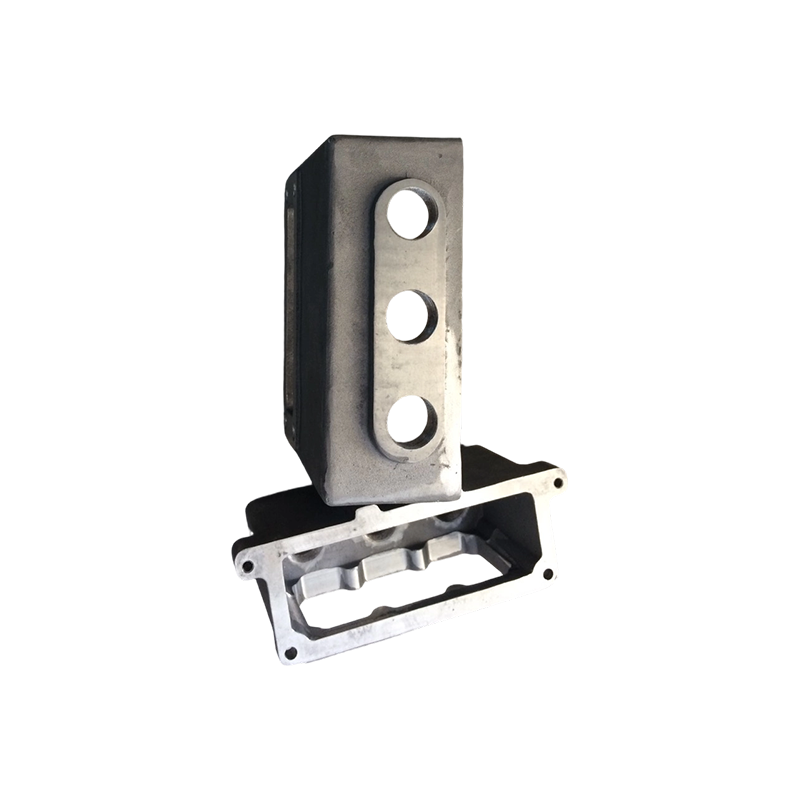
Medical device components are individual parts or assemblies used in the manufacturing of medical equipment. They can be simple mechanical structures or highly customized precision parts that work together to ensure proper device operation.
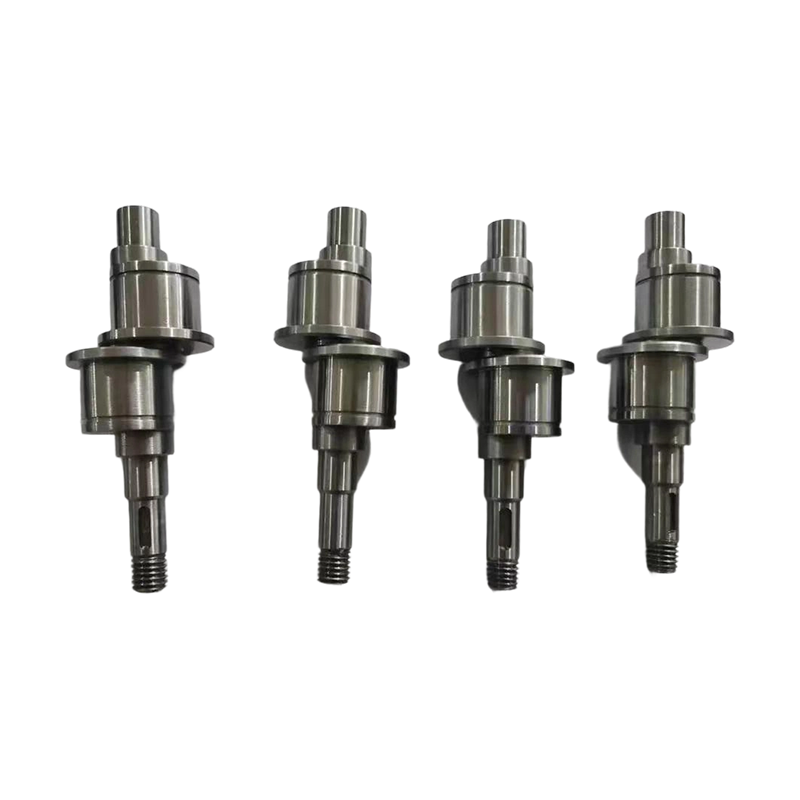
Unlike general industrial components, medical components often require higher manufacturing accuracy and stricter quality control because even small dimensional deviations can affect device performance. Depending on the application, these components may include precision housings, brackets, shafts, connectors, thermal management parts, and customized metal structures.
Common types of medical device components include:
| Component Type | Main Function | Common Materials |
|---|---|---|
| Precision mechanical parts | Support movement, positioning, and assembly | Aluminum, stainless steel, titanium alloy |
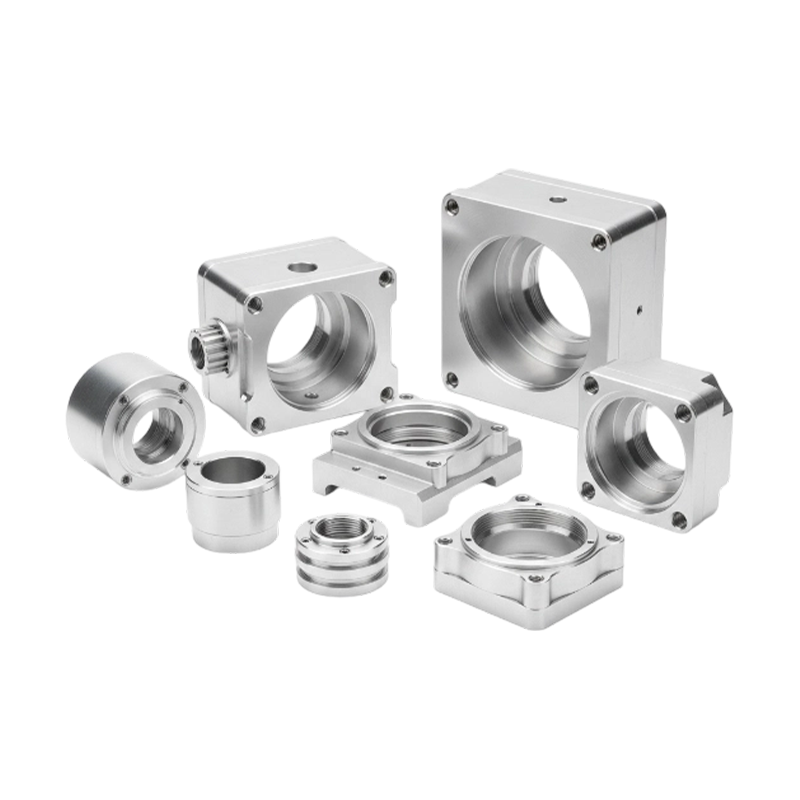
| Device housings | Protect internal systems and improve structural stability | Aluminum alloy, steel, engineering plastics |
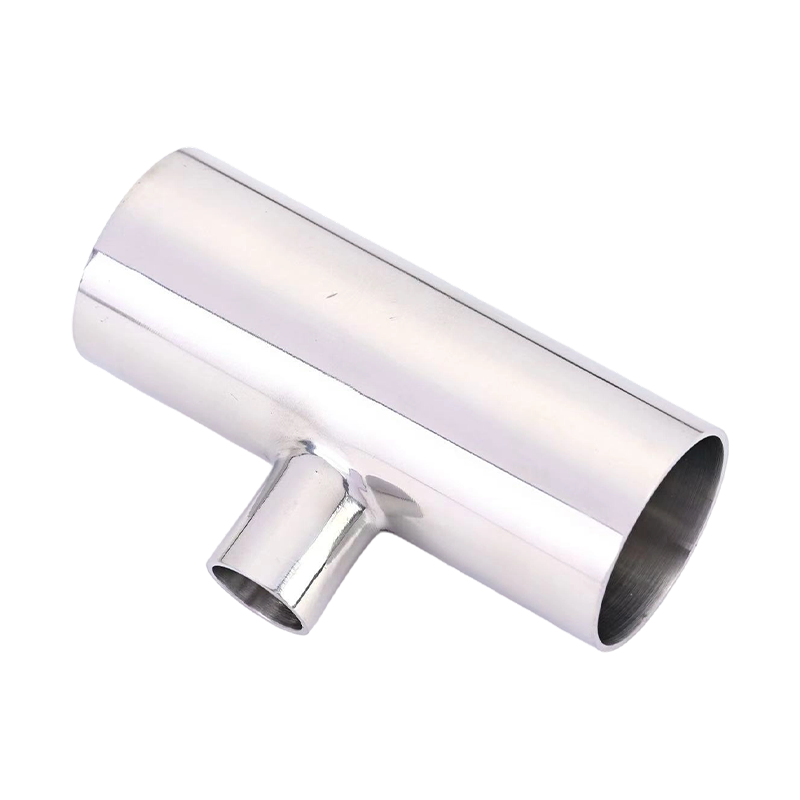
| Connectors and fittings | Enable reliable connection between different modules | Stainless steel, copper alloys, high-performance plastics |
| Thermal management components | Control heat generation and maintain stable operation | Aluminum, copper, composite materials |
| Custom assemblies | Integrate multiple parts into complete functional units | Various metal and non-metal materials |
The selection of components depends on the specific medical application, operating environment, and performance requirements.
How Do Precision Medical Components Improve Device Performance?
1. Improving Accuracy and Operational Stability
Medical equipment often requires precise movement, positioning, and measurement. High-quality precision medical components help maintain consistent performance by reducing dimensional errors and improving mechanical stability.
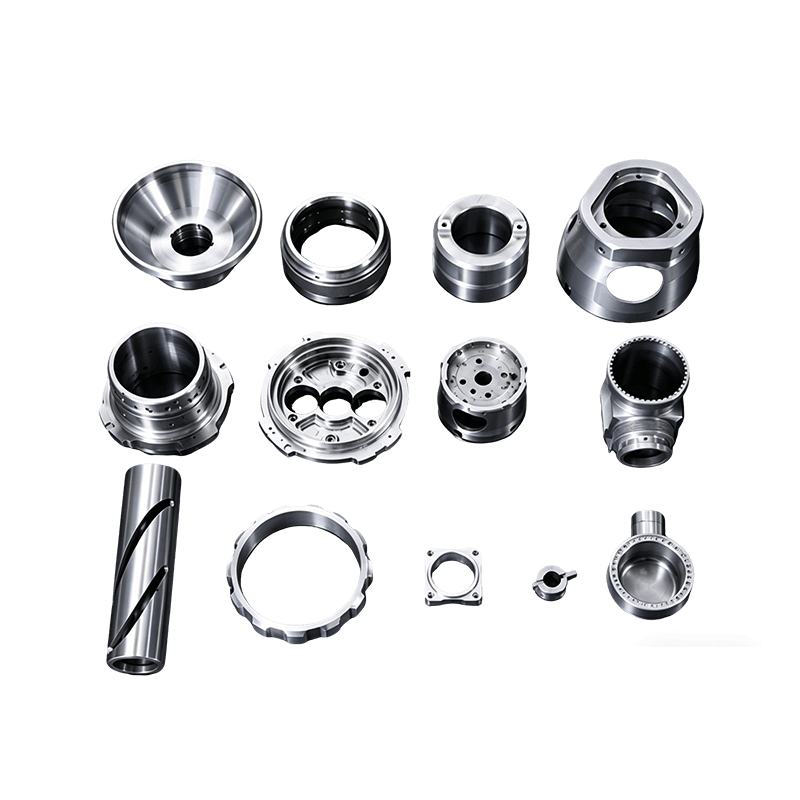
CNC machining technology plays an important role in producing complex medical parts with accurate geometries. Through multi-axis machining processes, manufacturers can create customized components with tight tolerances, smooth surfaces, and reliable repeatability.
For example, precision-machined parts used in medical equipment structures can improve:
- Mechanical alignment accuracy
- Equipment operating consistency
- Assembly reliability
- Long-term performance stability
2. Enhancing Device Safety and Reliability
Safety is a fundamental requirement for medical equipment. Components must withstand repeated operation, mechanical stress, and environmental conditions while maintaining structural integrity.
Materials used for medical device components are carefully selected according to application needs. Stainless steel, aluminum alloys, and titanium alloys are commonly used because they provide strength, corrosion resistance, and stable physical properties.
| Material | Advantages | Typical Applications |
|---|---|---|
| Aluminum alloy | Lightweight, good thermal conductivity, easy machining | Equipment frames, cooling structures, housings |
| Stainless steel | Corrosion resistance and high durability | Structural parts, connectors, precision assemblies |
| Titanium alloy | High strength-to-weight ratio and excellent resistance | Specialized precision components |
Proper material selection helps reduce maintenance requirements and improves the overall service life of medical devices.
3. Supporting Customized Medical Equipment Design
Different medical applications often require unique component structures. Standard parts may not always meet specific functional requirements, making custom medical device parts increasingly important.
Customized manufacturing allows engineers to optimize component designs based on:
- Equipment size limitations
- Functional requirements
- Installation conditions
- Material requirements
- Production volume
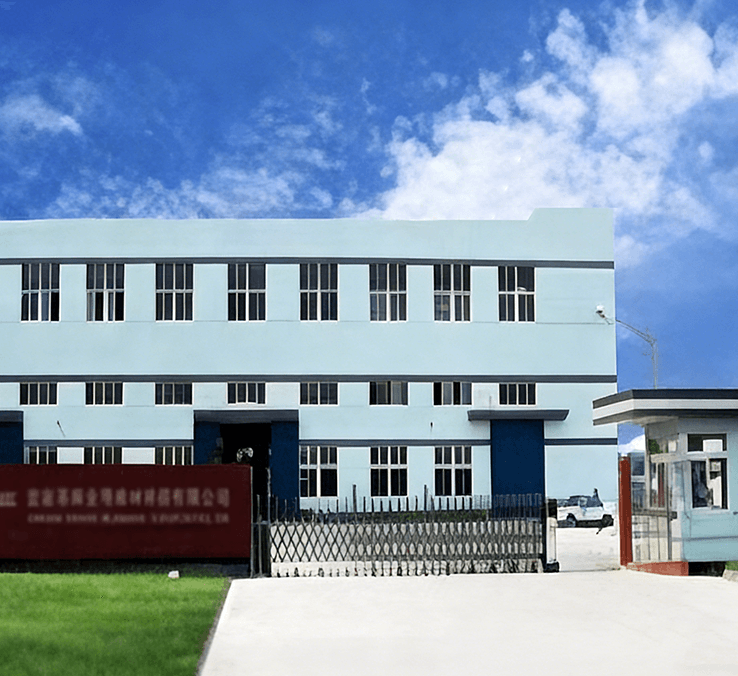
Suzhou Kokosili International Trading Co., Ltd. specializes in providing high-precision components and sheet metal processing solutions for medical, new energy, automated logistics, and aerospace industries. The company operates a 9,000-square-meter CNC machining and assembly factory and a 10,000-square-meter precision casting factory, providing customized manufacturing services for complex industrial applications.
Through CNC machining, precision casting, and integrated production management, the company supports customers with customized solutions for precision component manufacturing.
4. Improving Thermal Management Performance
Modern medical equipment often integrates electronic systems, sensors, and automated control modules that generate heat during operation. Efficient thermal management components help maintain stable temperatures and protect sensitive internal systems.
Precision-manufactured cooling structures, heat dissipation parts, and metal assemblies improve airflow management and thermal transfer efficiency.
Kokosili also provides products and solutions related to liquid cooling systems and temperature control modules, supporting industries that require reliable thermal management performance.
5. Increasing Manufacturing Efficiency and Product Consistency
Advanced manufacturing processes help improve production efficiency while maintaining consistent component quality. CNC machining, intelligent production management, and digital manufacturing systems enable manufacturers to better control every production stage.
For medical equipment manufacturers, reliable component suppliers can provide advantages such as:
- Flexible small-batch production
- Customized component development
- Stable manufacturing processes
- Efficient supply chain coordination
With ERP data management and intelligent warehousing systems, Suzhou Kokosili International Trading Co., Ltd. improves production coordination and response efficiency, helping customers manage customized component requirements more effectively.
How CNC Machining Supports Medical Device Components Manufacturing?
CNC machining is one of the important manufacturing methods for producing high-precision medical parts. It enables manufacturers to process various materials, including aluminum, steel, and titanium alloys, while achieving complex shapes and detailed structures.
Key advantages of CNC machining for medical components include:
| Manufacturing Feature | Performance Benefit |
|---|---|
| Multi-axis machining | Enables complex component structures |
| High repeatability | Maintains consistent production quality |
| Flexible customization | Suitable for different medical equipment designs |
| Material versatility | Supports various engineering materials |
For small-batch and customized production, CNC machining provides an efficient solution for developing specialized medical device components.
About Kokosili
Suzhou Kokosili International Trading Co., Ltd. provides high-precision components and sheet metal processing services for industries including medical, new energy, automated logistics, and aerospace. With advanced CNC equipment, precision casting capabilities, and customized manufacturing experience, the company delivers integrated solutions for complex component requirements.
The company specializes in CNC machining, precision parts machining, and small-batch production. By combining advanced manufacturing technology with efficient production management systems, Suzhou Kokosili International Trading Co., Ltd. helps customers achieve reliable and customized component solutions.
FAQ
1. What are medical device components used for?
Medical device components are used to build and support medical equipment structures, mechanical systems, connection systems, and thermal management solutions. They help ensure accurate operation, safety, and reliability.
2. Why is CNC machining important for medical device components?
CNC machining provides high precision, repeatability, and customization capabilities, making it suitable for manufacturing complex medical parts with strict dimensional requirements.
3. What materials are commonly used for medical device components?
Common materials include aluminum alloys, stainless steel, titanium alloys, and engineering plastics. Material selection depends on strength, corrosion resistance, weight, and application requirements.
4. Can medical device components be customized?
Yes. Custom medical device parts can be designed and manufactured according to specific equipment requirements, including unique dimensions, structures, and material specifications.
5. How do high-quality components improve medical equipment performance?
High-quality components improve mechanical stability, operational accuracy, durability, and safety, helping medical devices maintain reliable performance throughout their service life.
