

 English
  русский
  عربى
عربى 
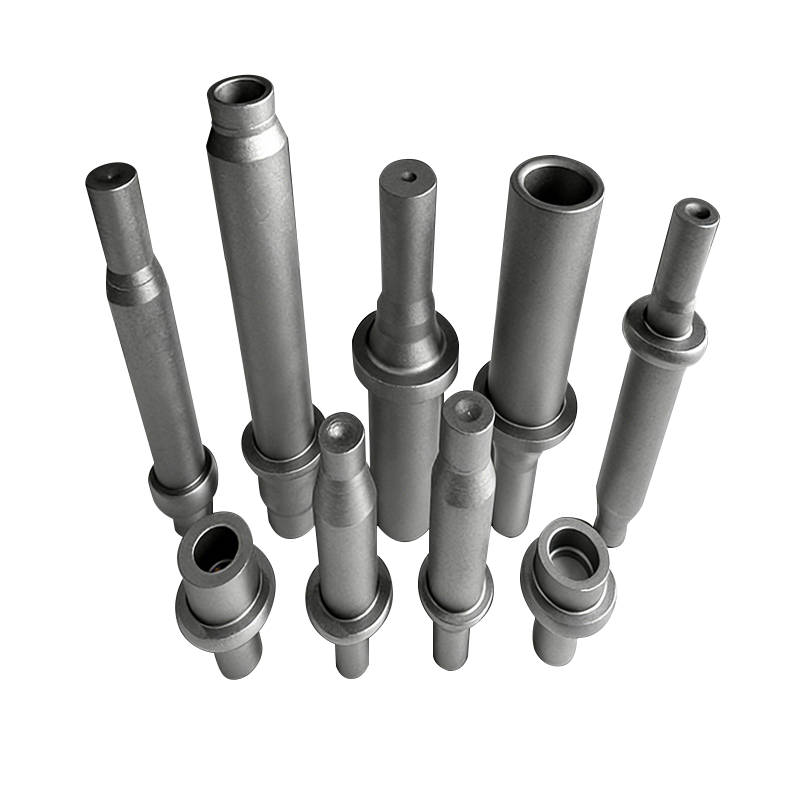
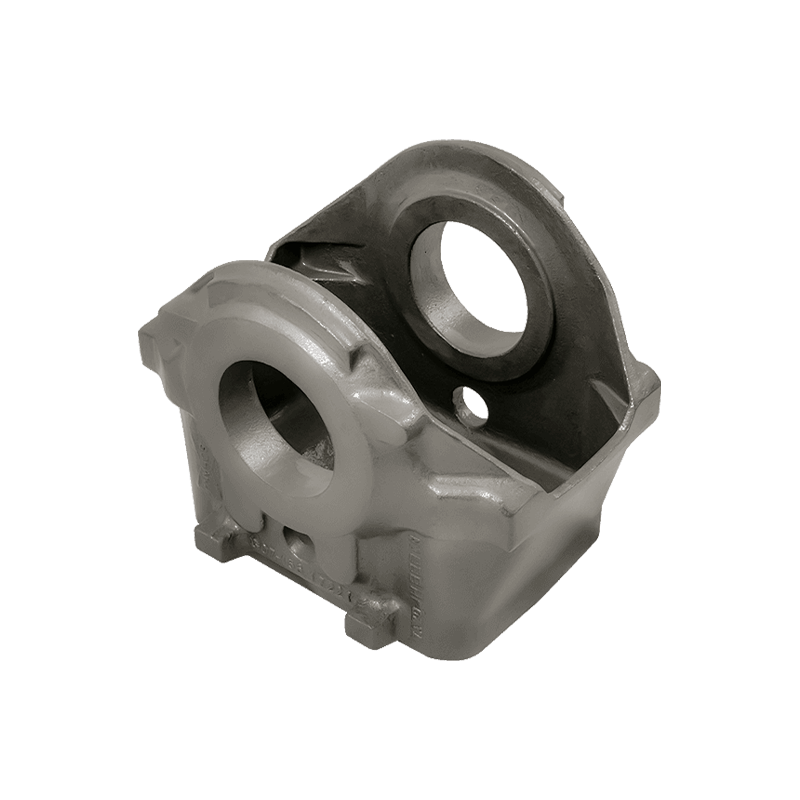
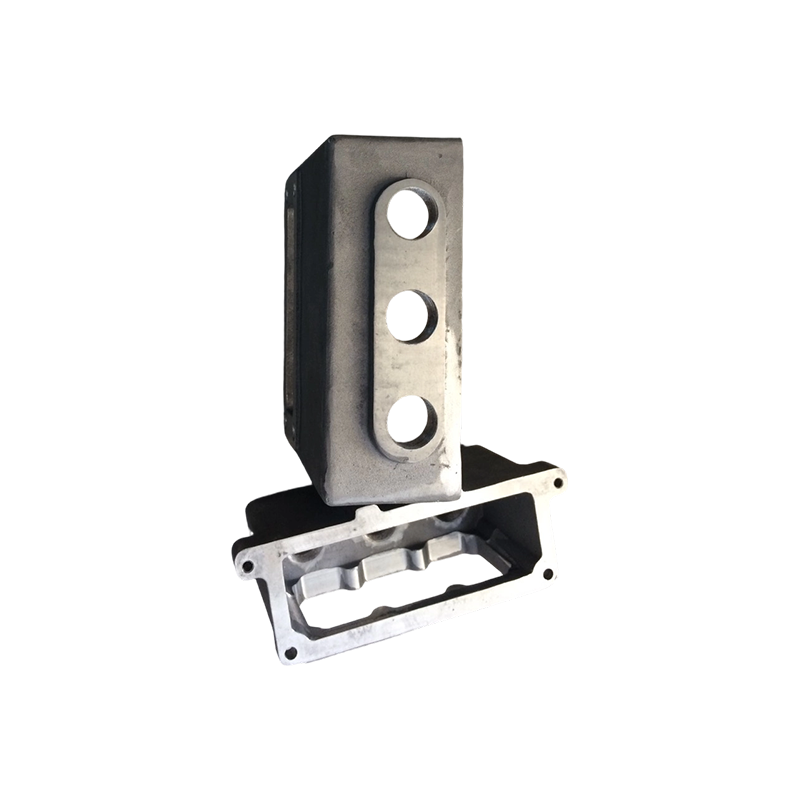
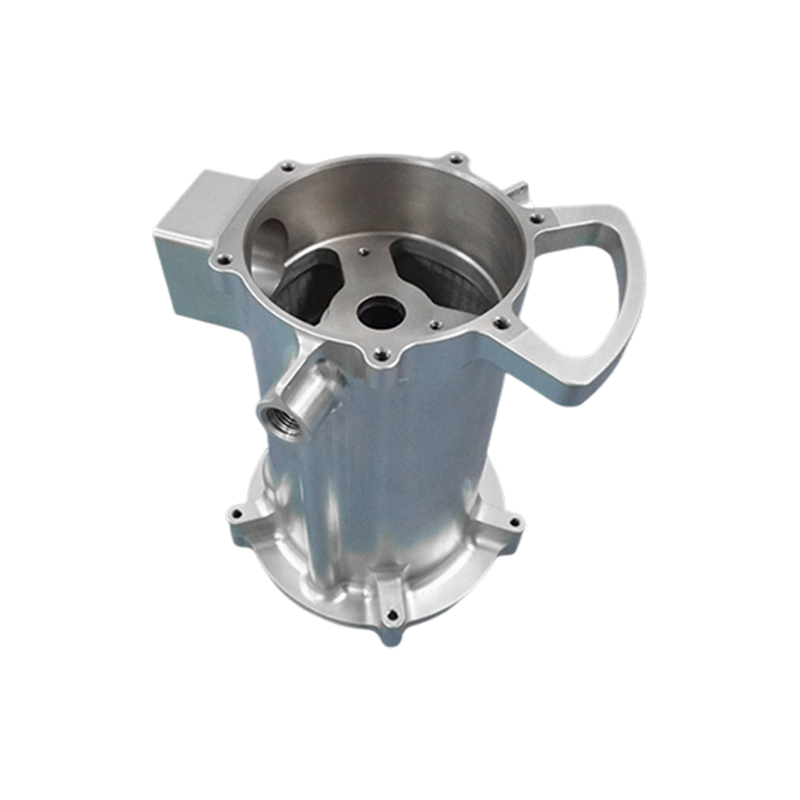



Forging vs. Precision Casting vs. Precision Machining: Process Selection and Quantitative Mechanical Property Differences for Metal Components
Selecting the optimal manufacturing process for a metal component is one of the most consequential decisions in engineering design. Forging, Precision Casting, and Precision Machining each impart distinct microstructures and mechanical properties to the final part—differences that directly affect performance in demanding applications such as aerospace, medical, new energy, and automated logistics. This article provides a quantitative comparison of tensile strength, elongation, and fatigue limit across the three processes, along with a structured decision framework to guide process selection based on functional requirements and production volume.
Process Fundamentals and Their Impact on Mechanical Properties
Each process produces a unique internal structure that determines the component's mechanical behavior:
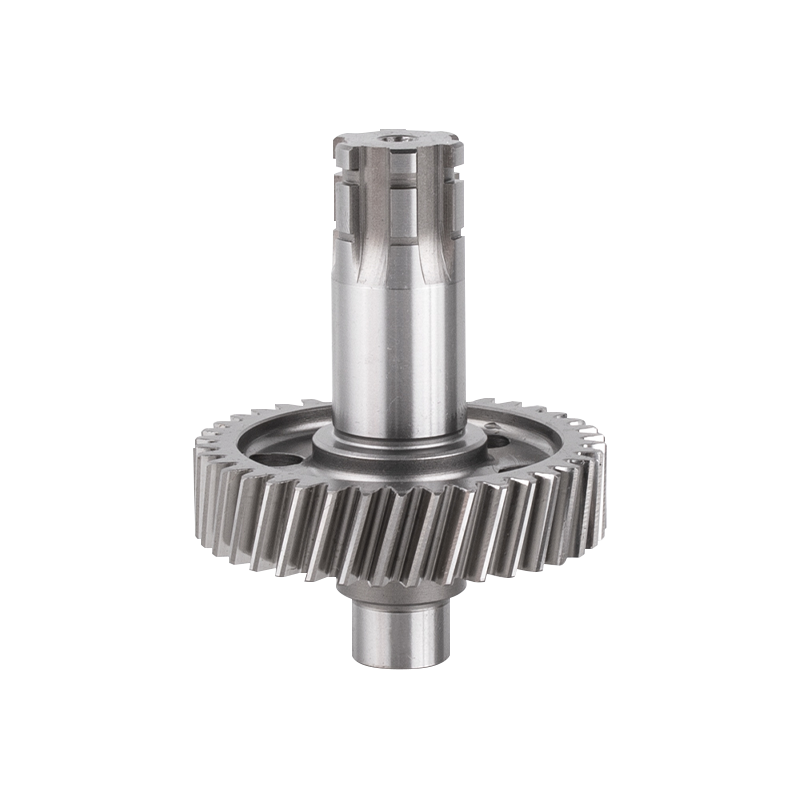
- Forging: Involves plastic deformation of heated metal under compressive force. This refines the grain structure and creates directional grain flow that follows the part contour. The result is a dense, continuous grain structure with superior strength and toughness, particularly in the direction of working. Forged parts have no porosity, shrinkage cavities, or inclusions typically found in castings.
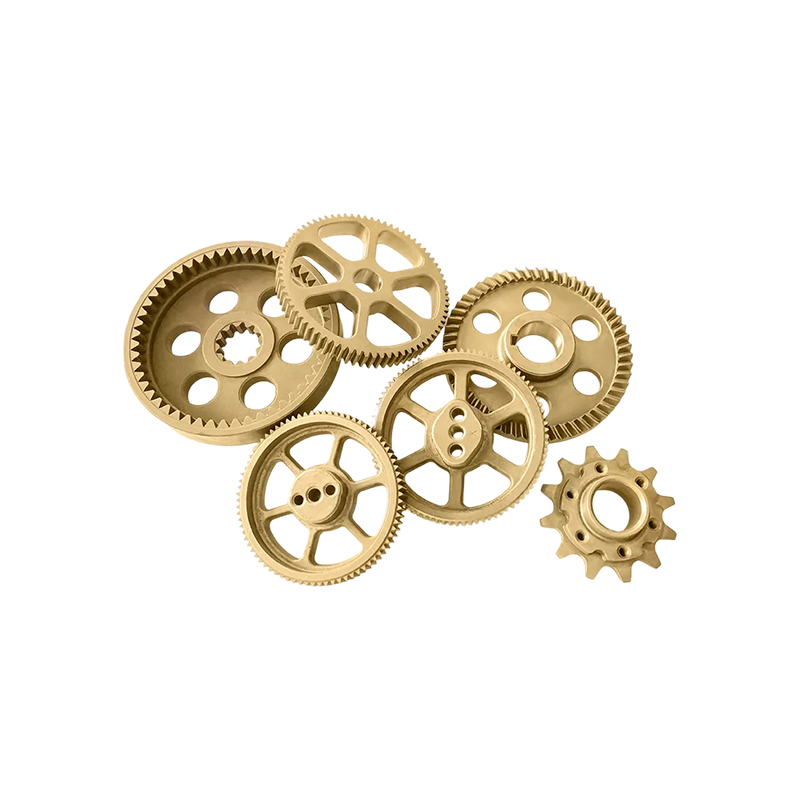
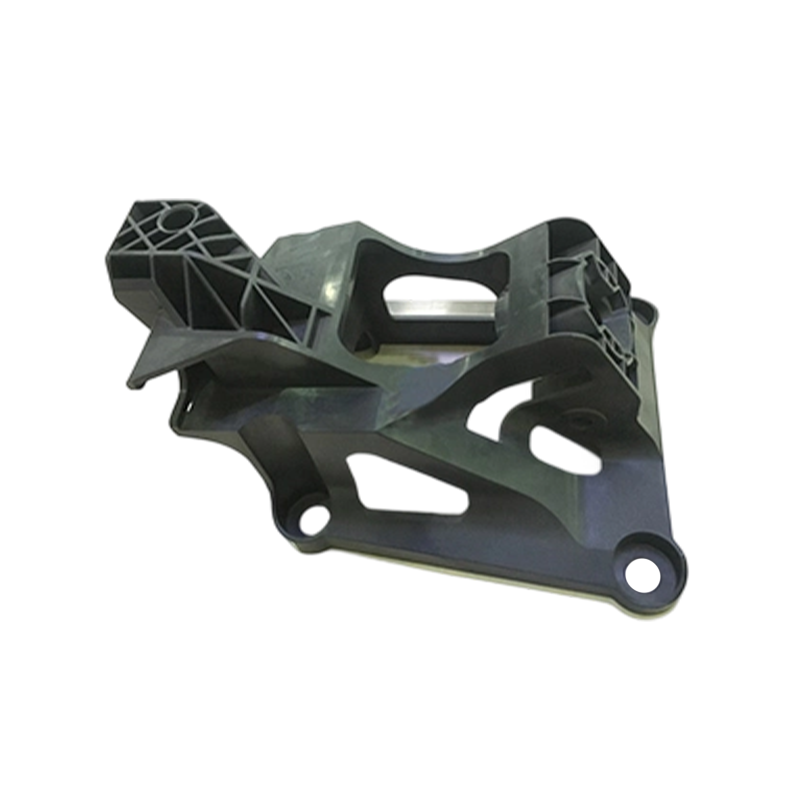
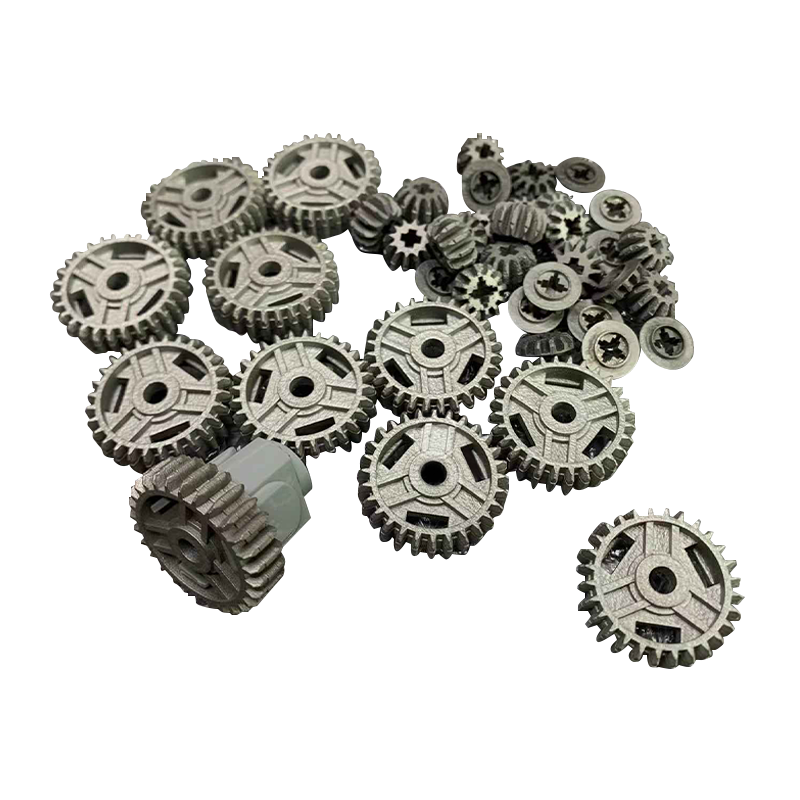
- Precision Casting: Involves pouring molten metal into a precision mold (investment or die casting). The metal solidifies with a dendritic (tree-like) grain structure. Porosity, micro-shrinkage, and segregation are common unless additional processing (e.g., HIP - Hot Isostatic Pressing) is applied. Cast components generally have lower ductility and fatigue resistance compared to forgings but offer exceptional geometric freedom.
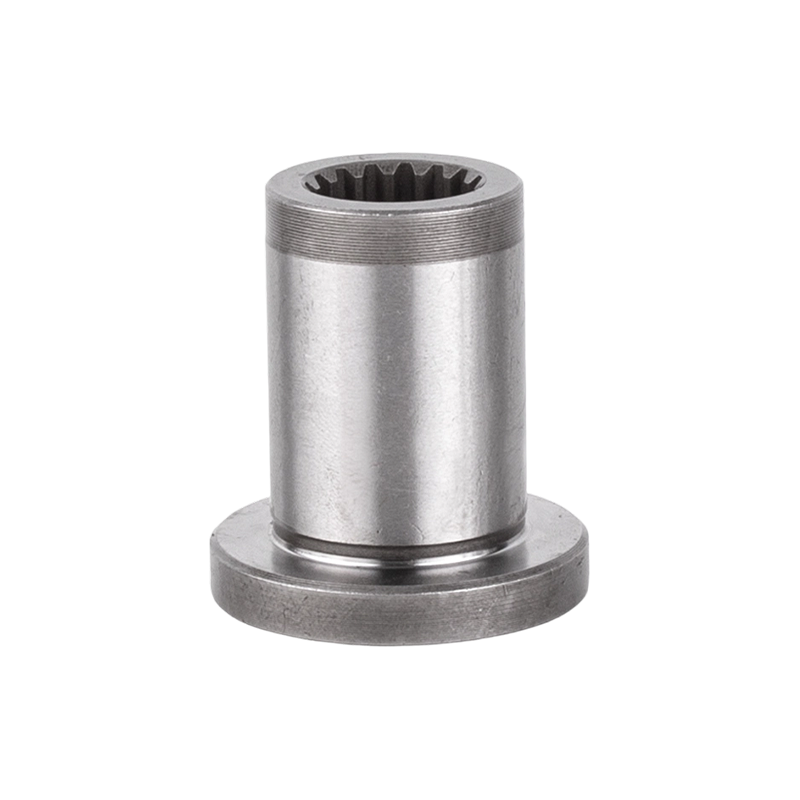
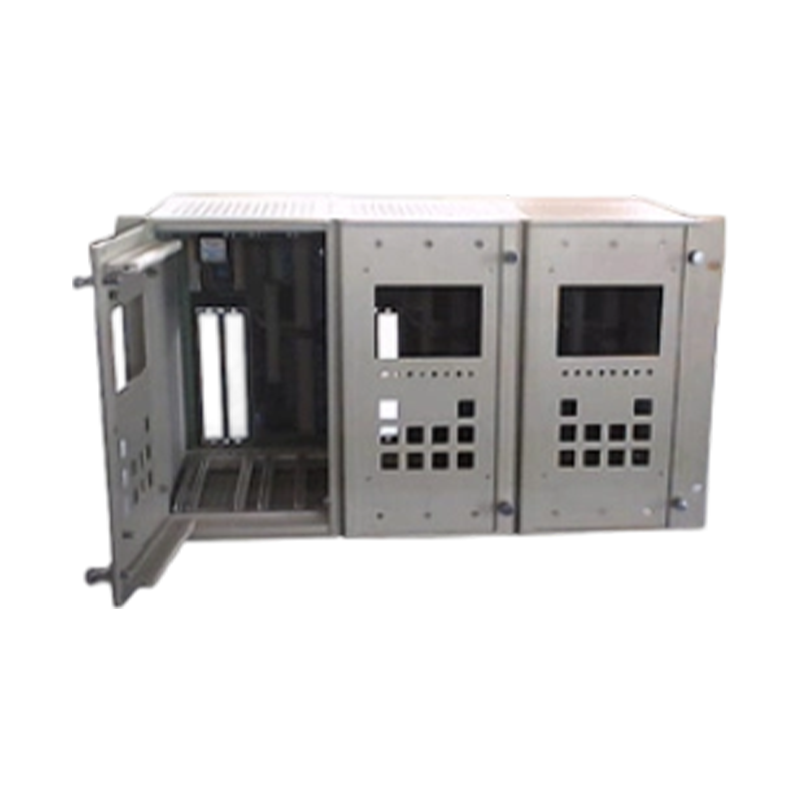
- Precision Machining: A subtractive process that removes material from a solid billet, bar stock, or forging/casting blank. The mechanical properties are inherited from the starting material. Machining does not alter the bulk microstructure significantly, but it introduces surface residual stresses and work-hardening layers that can affect fatigue performance. Machined parts exhibit consistent, isotropic properties equal to the wrought material they are cut from.
Quantitative Comparison: Mechanical Properties for a Common Alloy (AISI 4140 Steel)
The following table presents typical mechanical property ranges for each process using the same alloy (AISI 4140, quenched and tempered). These values are based on standard industry data and represent what can be consistently achieved in production:
| Property | Forging (Directional) | Precision Casting (As-Cast + HT) | Precision Machining (From Wrought Bar) | Forging Advantage vs. Casting |
|---|---|---|---|---|
| Tensile Strength, UTS (MPa) | 1,100 – 1,300 | 850 – 1,000 | 950 – 1,100 | +20% to 35% |
| Yield Strength, 0.2% (MPa) | 950 – 1,100 | 650 – 800 | 750 – 900 | +30% to 40% |
| Elongation (% in 50mm) | 12 – 18 | 5 – 10 | 14 – 20 | +50% to 100% |
| Reduction of Area (%) | 45 – 60 | 15 – 30 | 50 – 65 | +50% to 100% |
| Fatigue Limit (Rotating Bending, MPa) | 550 – 700 | 280 – 380 | 450 – 550 | +40% to 60% |
| Impact Toughness (Charpy V-notch, J) | 70 – 100 | 20 – 40 | 60 – 90 | +100% to 150% |
| Porosity / Internal Defects | None (fully dense) | 0.5 – 3% (micro-porosity) | None (parent metal) | Critical advantage |
Key observations: Forged parts consistently outperform cast parts in strength, ductility, and fatigue resistance. The fatigue limit advantage of forging (40–60%) is particularly significant for components subjected to cyclic loading, such as aerospace landing gear, automotive connecting rods, and hydraulic system components. Precision machining from wrought bar provides properties close to forging but suffers from lower material utilization and higher scrap cost.
Decision Framework: When to Choose Each Process
Based on the mechanical property differences, the following guidelines apply to process selection for metal components:
- Choose Forging when: The component experiences high cyclic loads, impact loads, or requires maximum reliability (aerospace structural parts, turbine discs, automotive steering knuckles). Forging is also preferred when the grain flow direction can be aligned with the principal stress direction to maximize strength in critical orientations.
- Choose Precision Casting when: The component has complex internal passages, thin walls, or geometries that are impossible or prohibitively expensive to forge or machine (liquid cooling manifolds, turbine blades with internal cooling channels, pump housings). Casting is also preferred for high-volume production where tooling amortization is favorable.
- Choose Precision Machining when: The component requires tight tolerances, excellent surface finish, and the design is still evolving (prototype or low-volume production). Machining is also the only option when the starting material must retain specific heat treatment properties that cannot be achieved in a casting or forging.
- Consider hybrid approaches: For critical applications, many components use forged or cast near-net-shape blanks followed by precision machining of mating surfaces, sealing grooves, and threaded holes. This combines the strength benefits of forging/casting with the dimensional precision of machining.
Our Integrated Manufacturing Capability
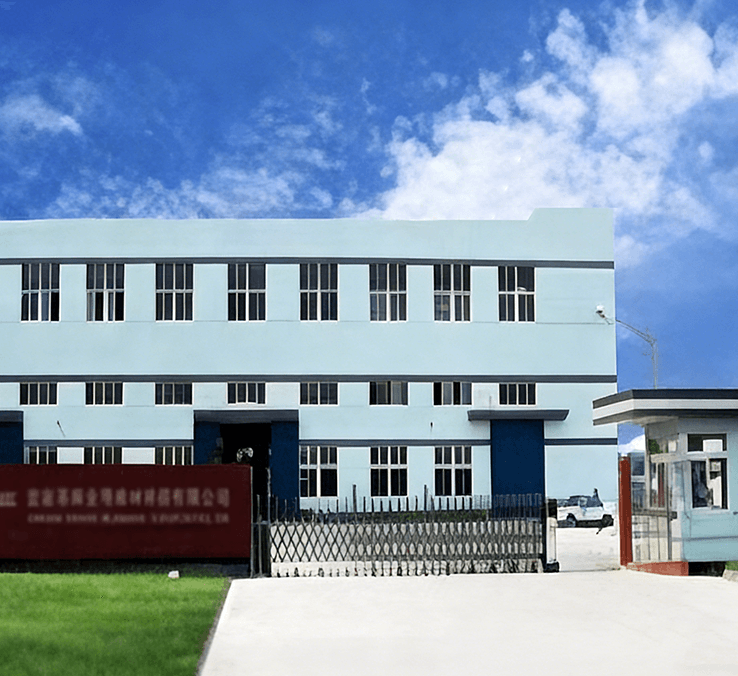
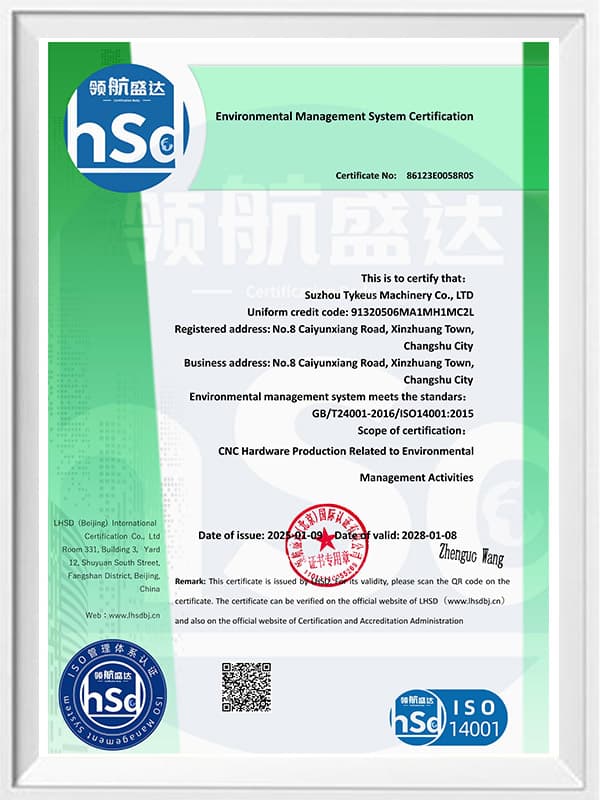
Our group operates all three processes under one organizational structure, providing unbiased process selection guidance. Techuse Machinery handles precision machining and assembly, including liquid cooling pipelines, water distributors, and custom CNC machined components. Our 10,000m² precision casting factory supports near-net-shape production for high-volume casting programs. Additionally, we have established forging partnerships with qualified suppliers for components requiring superior mechanical properties. This multi-process capability enables us to recommend the most appropriate manufacturing route for each component without process bias.
SEMICH Precision Technology provides cutting tool selection and technical support for the machining operations that follow casting or forging, ensuring that surface quality and dimensional accuracy are maintained even when machining hard or variable-structured materials. Cocosili manages global logistics and customer communication, offering seamless end-to-end service for Forging / Precision Casting / Precision Machining Processes.
Frequently Asked Questions (FAQ)
- Q1: How does Suzhou Kokosili International Trading Co., Ltd. quantify the performance trade-offs when recommending Forging versus Precision Casting for a specific metal component project?
A: We perform a three-step analysis. First, we review the component's functional requirements: peak stress, fatigue life expectation, operating temperature, and failure consequences. Second, we conduct a material property gap analysis using the table above, comparing the required mechanical properties against the capabilities of each process for the chosen alloy. Third, we evaluate the cost-volume trade-off—forging tooling is expensive ($10,000–$50,000+) but delivers lower per-part cost and superior properties; casting tooling may be lower for small parts but requires secondary HIP treatment to close porosity if high fatigue life is needed. We then present a side-by-side comparison, including a total-cost-of-ownership analysis, to help clients make an informed decision. We never recommend a process solely based on our available capacity—we recommend what is technically and economically best for the application. - Q2: Can Suzhou Kokosili International Trading Co., Ltd. provide forged or cast components that are then precision machined to achieve both superior strength and tight tolerances?
A: Yes, this is one of our core competencies. Many of our products—such as liquid cooling system manifolds, precision casting parts for energy storage, and aerospace hydraulic components—start as forged or cast blanks and undergo precision CNC machining at our 9,000m² plant. We carefully manage the machining strategy to account for variable hardness across the blank (e.g., harder skin on castings, softer core) and to ensure that critical sealing surfaces, bore diameters, and threaded holes are machined to IT6–IT7 tolerances. Our integrated approach allows us to control the entire value chain: we coordinate with our casting factory on draft angles and machining allowances, and then Techuse Machinery executes the finishing operations. This hybrid approach provides the best combination of mechanical strength and dimensional precision. - Q3: What validation and testing capabilities does Suzhou Kokosili International Trading Co., Ltd. have to verify that forged or cast metal components meet the required mechanical properties before shipping?
A: We maintain a comprehensive testing program. For every material batch, we perform destructive testing on representative samples—including tensile testing (UTS, yield, elongation), Charpy impact testing, and hardness testing (Brinell or Rockwell). For fatigue-critical components, we conduct rotating bending or axial fatigue testing on coupon specimens machined from the same heat treatment batch. Additionally, we perform non-destructive testing (NDT): dye penetrant or magnetic particle inspection for surface defects, and ultrasonic or X-ray inspection for internal integrity. All test results are documented and traceable to the specific production batch. For components supplied to aerospace or medical clients, we work with third-party accredited laboratories to provide independent verification. This rigorous testing ensures that every component delivered under our Forging / Precision Casting / Precision Machining Processes meets or exceeds the required mechanical specifications.
