

 English
  русский
  عربى
عربى 




Layer Adhesion and Anisotropy: Why 3D Printed Parts Behave Differently by Axis
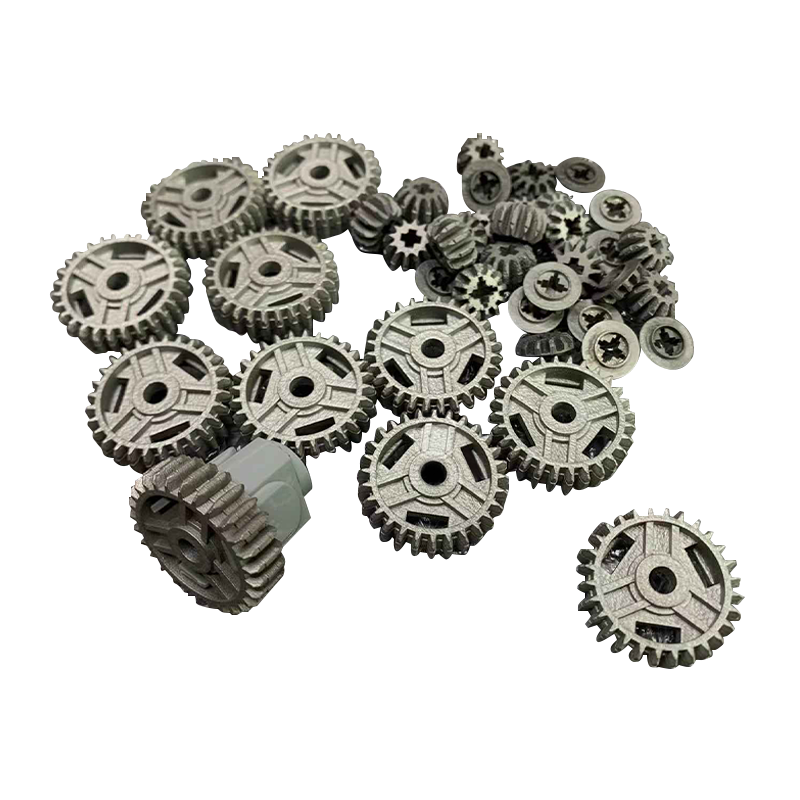
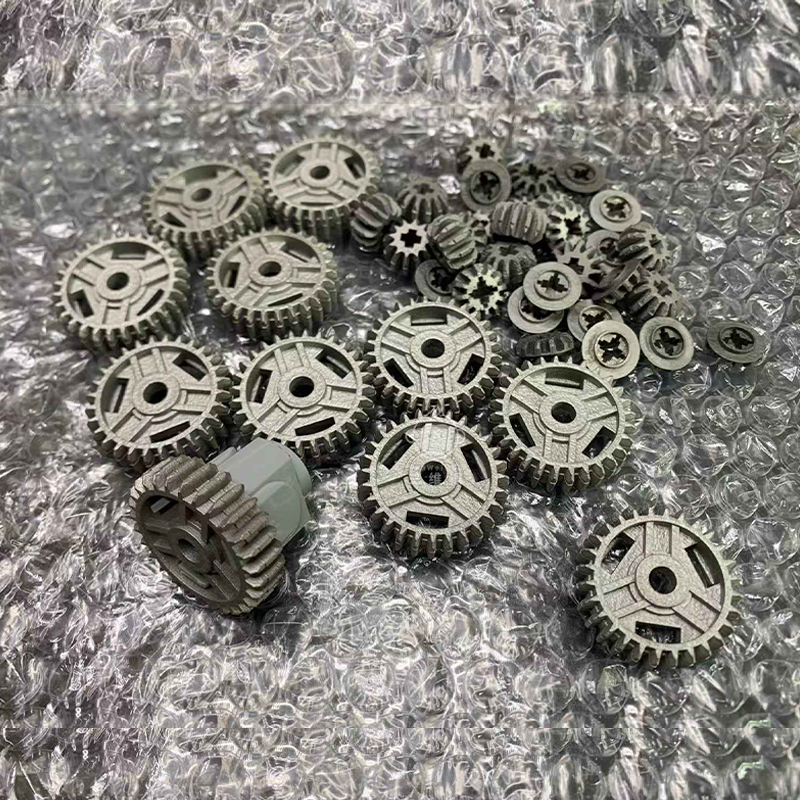
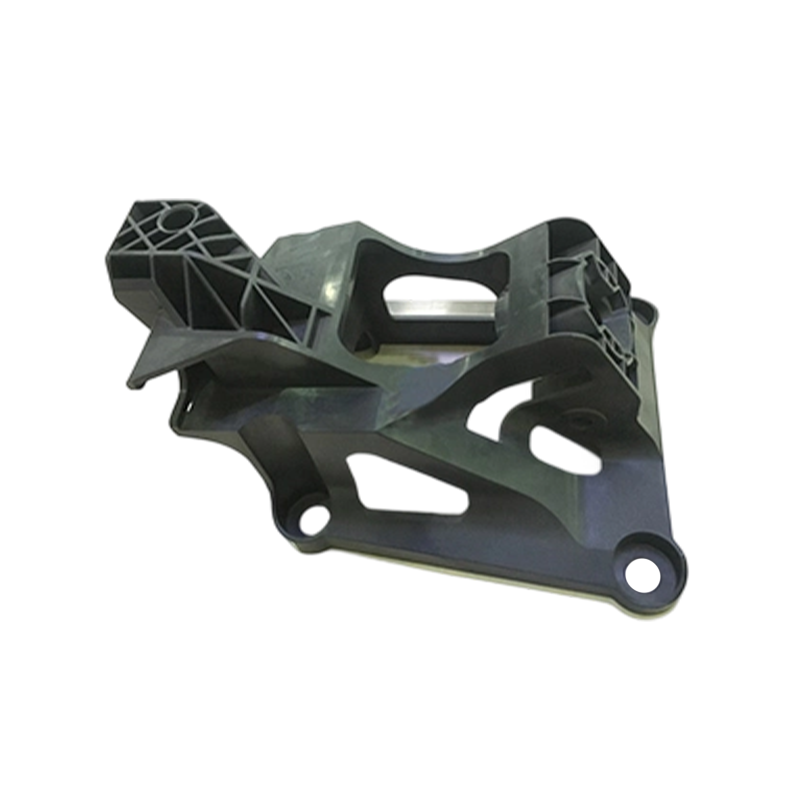
A part built on a 3D printer is never mechanically uniform in every direction, no matter what the CAD file says. Each layer bonds to the one below it through partial remelting or curing, and that bond is almost always weaker than the material's own tensile strength within a single layer. This means a bracket printed standing upright will resist bending loads applied across its layers far better than the same load applied trying to peel layers apart, a distinction that catches buyers off guard when a functional prototype fails in a way a machined part never would. Build orientation for Precision 3D Printing Components should therefore be decided by the part's actual load case, not by whichever orientation prints fastest or uses the least support material.
Thermal history compounds this further with FDM and SLS processes: layers deposited early in a tall print cool and partially crystallize before later layers are laid down, creating residual stress that can warp thin, unsupported sections after the part comes off the build plate. Suzhou Kokosili accounts for this by mapping critical load directions against build orientation before slicing, rather than treating orientation as a purely geometric or support-minimization decision.
Matching Process and Material to the Part's Actual Requirement
Not every additive process solves the same problem, and choosing between them by cost or lead time alone tends to produce parts that don't hold up in service. SLA delivers the finest surface detail but its resins are typically the most brittle and UV-sensitive of the common processes, making it a poor fit for outdoor or load-bearing use. SLS nylon parts carry no support scarring and reasonable mechanical strength but their porous surface finish often needs post-processing before it meets a sealing or cosmetic requirement, a step our engineering team factors into lead time from the outset here at Kokosili.
Cost-effective for structural prototypes; strongest along the print plane, weaker across layer bonds.
Highest surface detail and dimensional accuracy; brittle and UV-sensitive, better suited to fit checks than load-bearing use.
No support structures needed; porous finish typically requires sealing or dyeing for cosmetic or sealing requirements.
Enables functional metal parts and internal geometry impossible to machine, at the cost of longer build and post-processing time.
Metal powder bed processes introduce a variable that polymer printing doesn't: residual stress locked into the part during rapid laser melting, which is why stress-relief heat treatment is treated as a mandatory step rather than an optional finishing service for structural metal components.
Dimensional Accuracy, Tolerancing, and Where Additive Falls Short of Machining
| Process | Typical Achievable Tolerance | Main Limiting Factor |
|---|---|---|
| FDM | ±0.2–0.3mm | Layer height and nozzle diameter |
| SLA | ±0.05–0.1mm | Resin shrinkage during cure |
| Metal SLM | ±0.1–0.2mm | Thermal distortion during build |
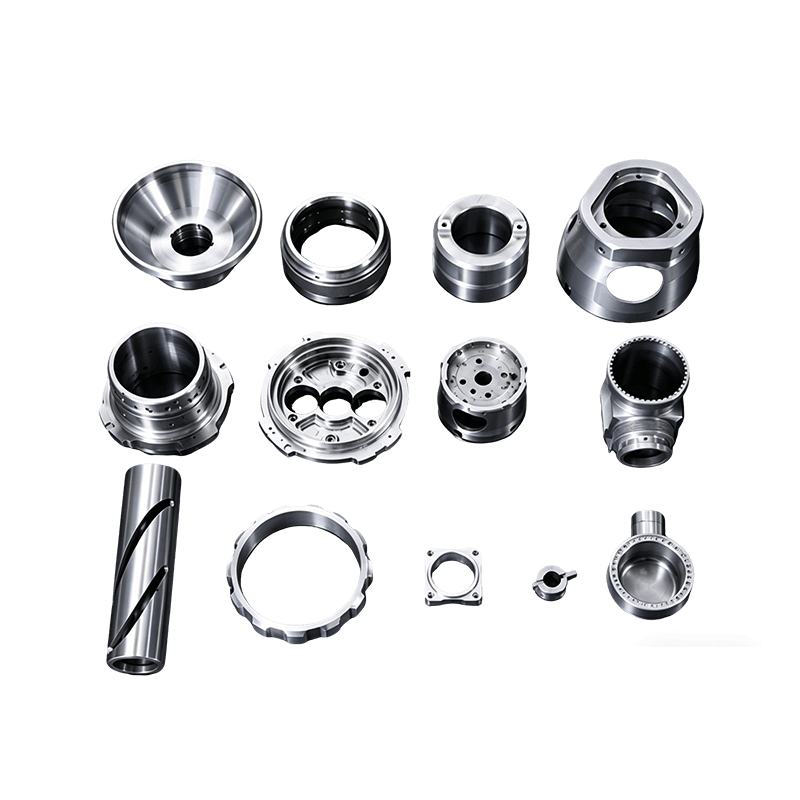
For features that carry a functional fit tolerance tighter than a process can reliably hold as-printed, hybrid production is usually the more dependable path: print the complex internal geometry that machining can't reach, then finish the critical mating surfaces on a CNC machine. That workflow depends on having both capabilities under the same roof so tolerances agreed on paper actually survive the transition between processes.
Where Additive Manufacturing Fits Across New Energy, Medical, Logistics, and Aerospace
Additive manufacturing earns its place in a production program at very different points depending on the industry. New energy customers most often use it for low-volume duct and bracket geometry that would otherwise require expensive short-run tooling, while medical device teams lean on it for anatomically specific fixtures and surgical guides where every unit is slightly different by design. Automated logistics applications tend to favor it for end-of-arm tooling and jigs that get revised frequently as a production line evolves, and aerospace brackets benefit from the internal lattice structures that only additive processes can produce, cutting weight without cutting strength.
What ties these use cases together is that additive manufacturing rarely stands alone in a real production program, it sits alongside CNC machining, precision casting, and sheet metal forming, moving in and out of the workflow depending on what a given part needs at each stage. Buyers evaluating a supplier for Precision 3D Printing Components should ask how prototypes transition into production parts, since a supplier limited to printing alone can prototype a design but rarely carry it through to a manufacturable end product on its own, which is the gap Kokosili's integrated machining, casting, and printing capability is built to close.
