

 English
  русский
  عربى
عربى 
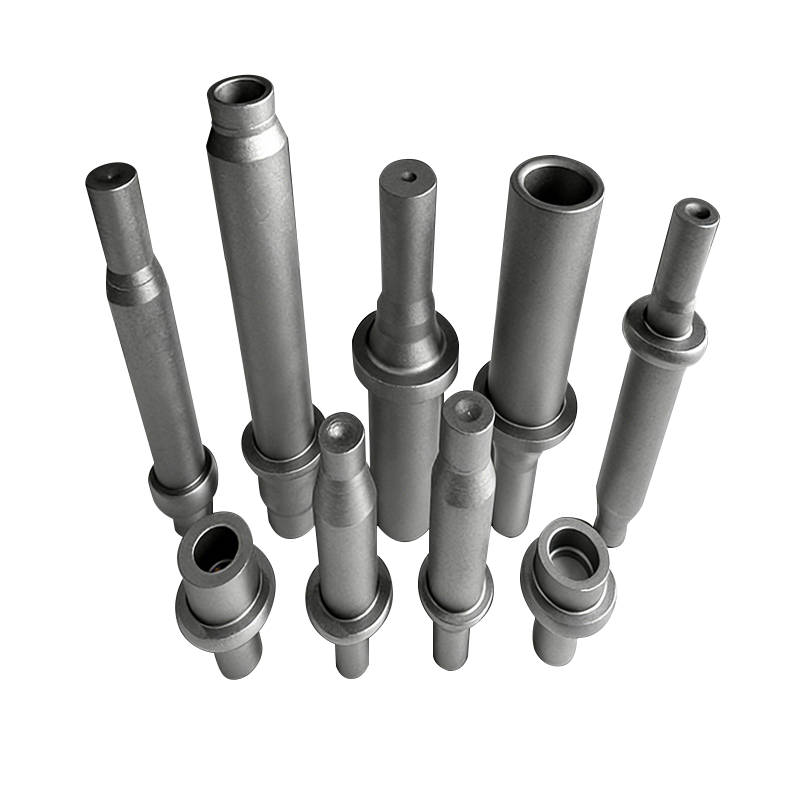
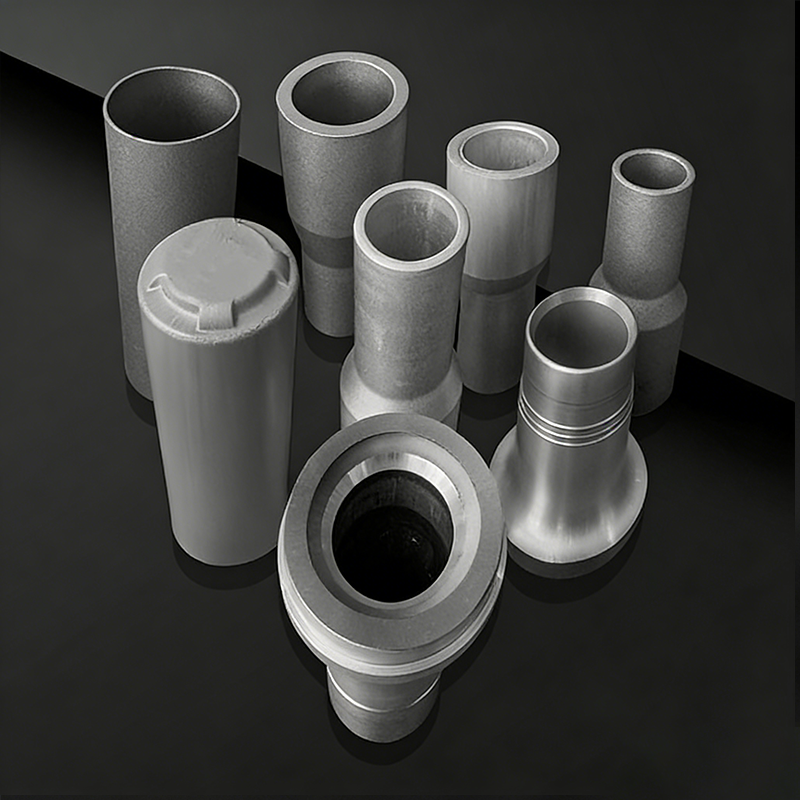
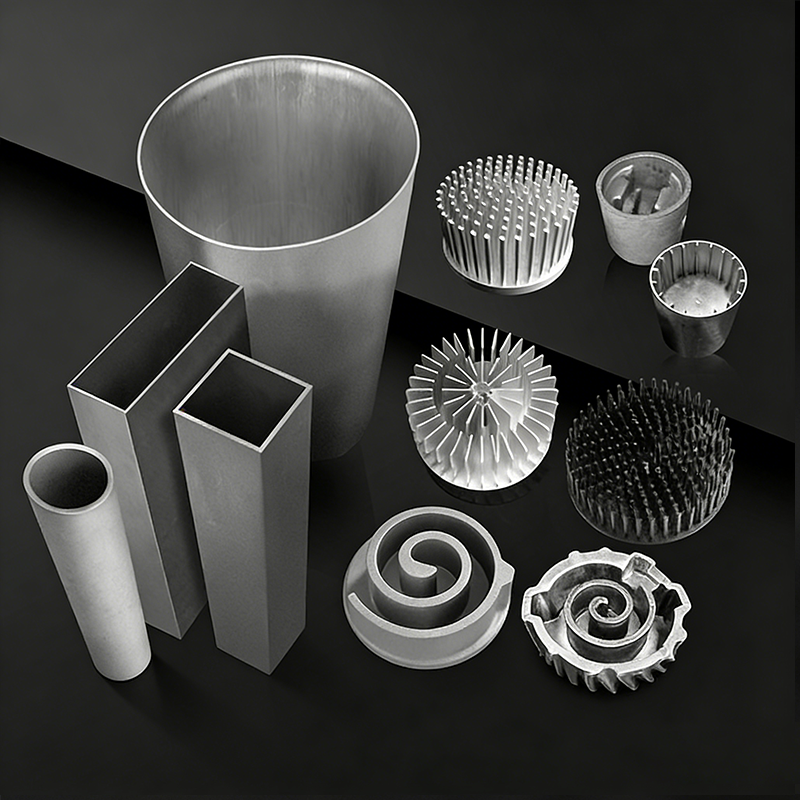
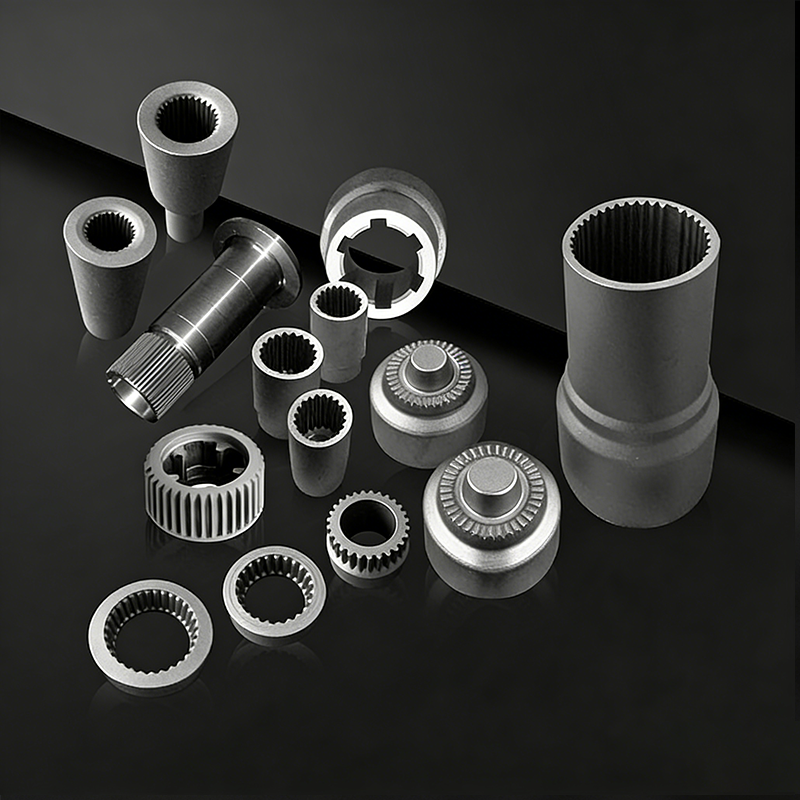



What metals are most commonly used for precision forging components?
In the field of metal forming, forging is not simply a manufacturing method but a process that reshapes the internal structure of metal through controlled external force. Compared with casting or machining processes, forging improves material integrity by optimizing grain flow and enhancing mechanical reliability. This makes forged parts essential for applications where strength, durability, and safety are critical. From aerospace load-bearing structures to automotive steering systems and industrial equipment connections, forged components serve as the foundation of many high-performance systems.
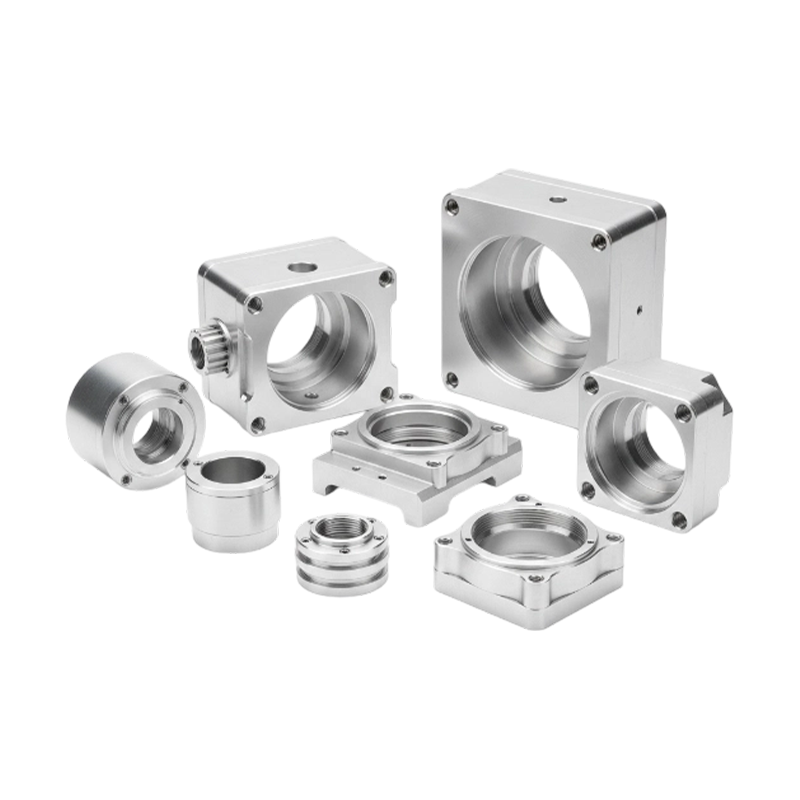
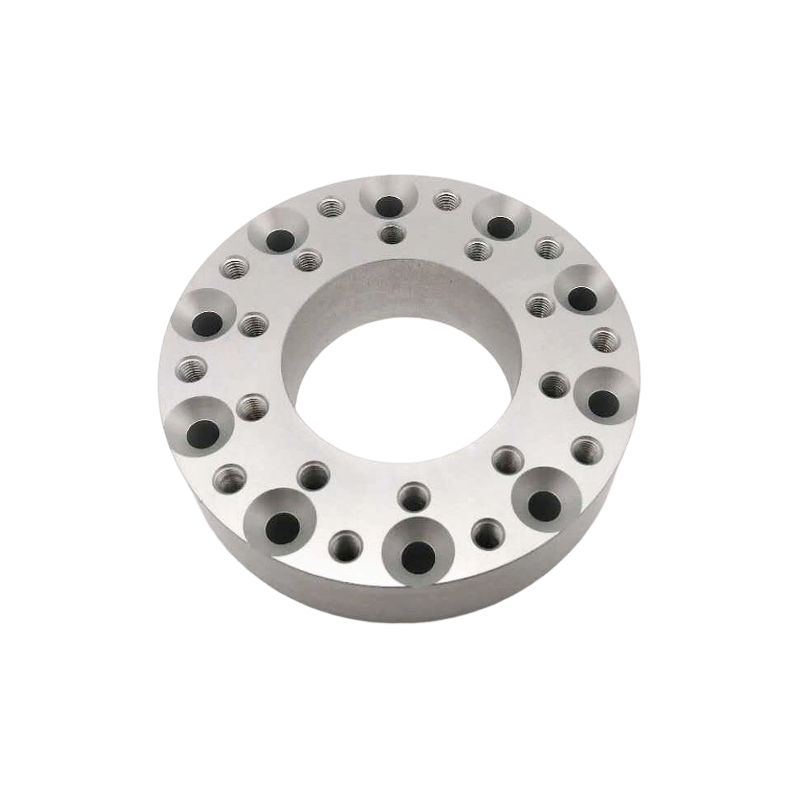
Among various manufacturing technologies, precision forging components represent a highly controlled approach that combines material efficiency, dimensional accuracy, and excellent mechanical properties. These components are widely applied in industries requiring stable performance under demanding operating conditions. Suzhou Kokosili International Trading Co., Ltd. provides high-precision components and advanced processing services for industries including new energy, medical equipment, automated logistics, and aerospace, supporting customers with customized manufacturing solutions and integrated production capabilities.
Overview of common metals used in precision forging components
The selection of forging materials directly determines the performance characteristics of forged products. Different metals provide different combinations of strength, toughness, corrosion resistance, wear resistance, and temperature stability. In practical manufacturing, steel alloys, aluminum alloys, titanium alloys, and other engineering metals are commonly selected according to application requirements.
The manufacturing process of precision forging components requires careful control of material properties, forming conditions, and subsequent processing. Unlike ordinary metal shaping methods, precision forging focuses on maintaining structural consistency throughout the component. The improved internal metal flow allows forged parts to withstand higher mechanical stress while reducing the risk of failure in critical applications.
| Metal Category | Main Characteristics | Typical Applications |
| Steel Alloys | High strength, excellent toughness, good wear resistance | Automotive structures, machinery parts, industrial connectors |
| Aluminum Alloys | Lightweight, corrosion resistance, good machinability | Aerospace structures, transportation components |
| Titanium Alloys | High strength-to-weight ratio, temperature resistance | Aerospace and advanced engineering systems |
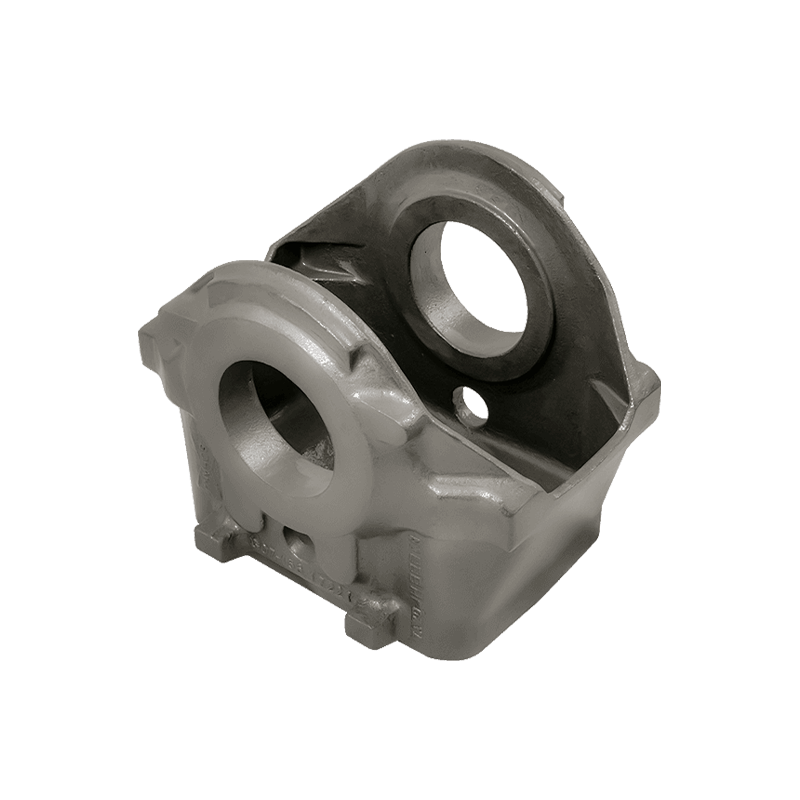
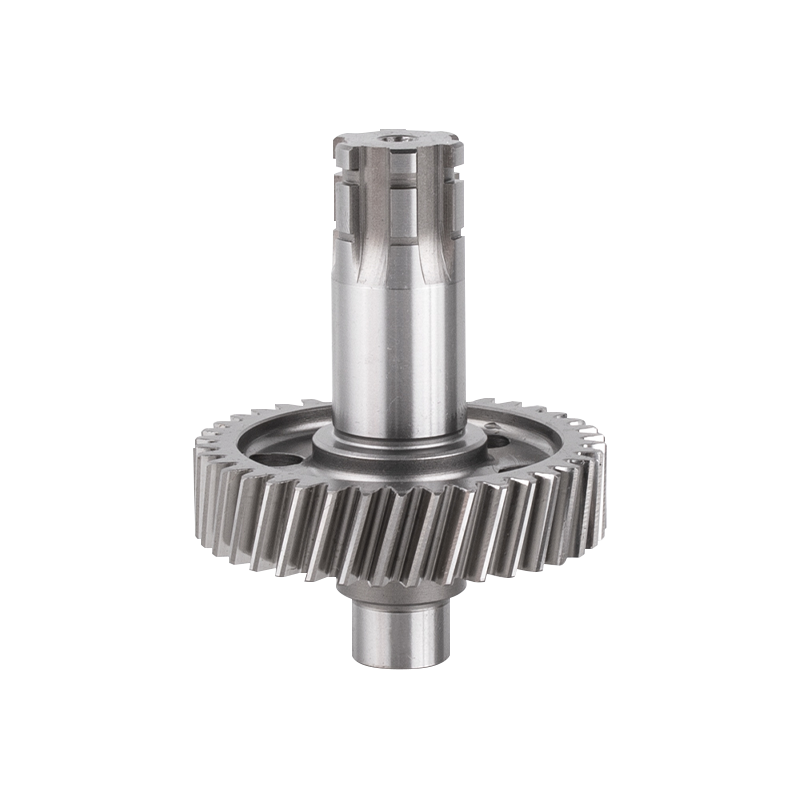
Steel alloy precision forged components for heavy-duty applications
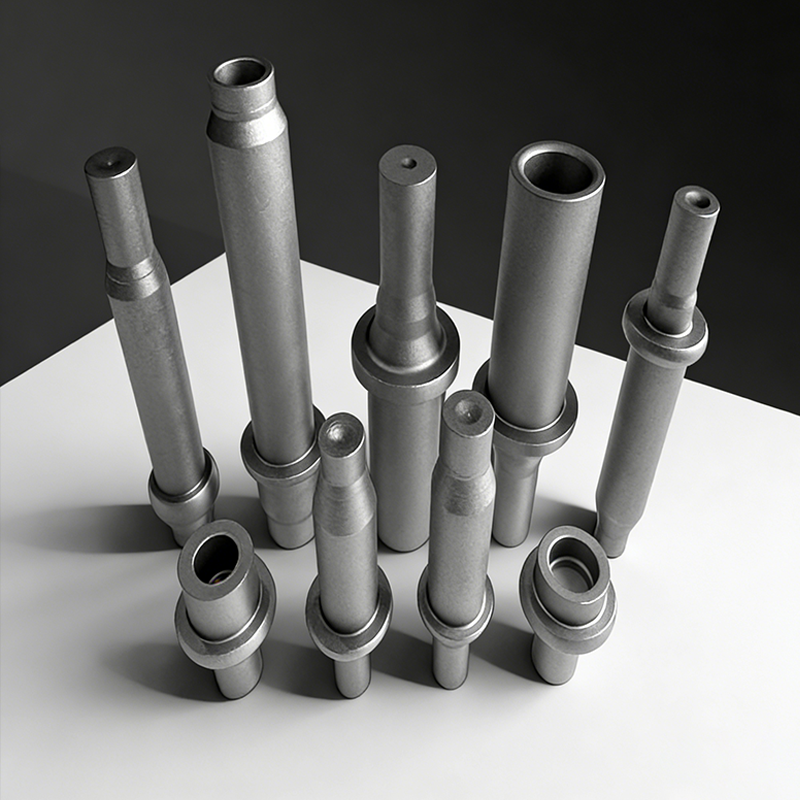
Steel alloys are among the most widely used materials in forging because they provide a balanced combination of strength, toughness, and cost efficiency. Steel forging is commonly selected for components that experience repeated loads, impact forces, or demanding mechanical environments. Through forging, the internal grain structure of steel becomes more continuous, improving resistance against fatigue and deformation.
In industries such as automotive manufacturing, engineering machinery, and industrial equipment, steel-based precision forging components are used for safety-related structures including connecting parts, shafts, brackets, and high-load assemblies. Their reliable mechanical performance makes them suitable for systems where long service life and operational stability are required.
The key advantage of steel forging is its ability to maintain structural strength after forming. Compared with many cast components, forged steel parts generally provide better resistance to impact and stress concentration. This difference is particularly important for components that function as the supporting framework of machines and vehicles.
- Suitable for high-load mechanical environments requiring durability.
- Provides excellent resistance to fatigue and repeated stress.
- Supports customized shapes for complex industrial assemblies.
- Compatible with additional machining and surface treatment processes.
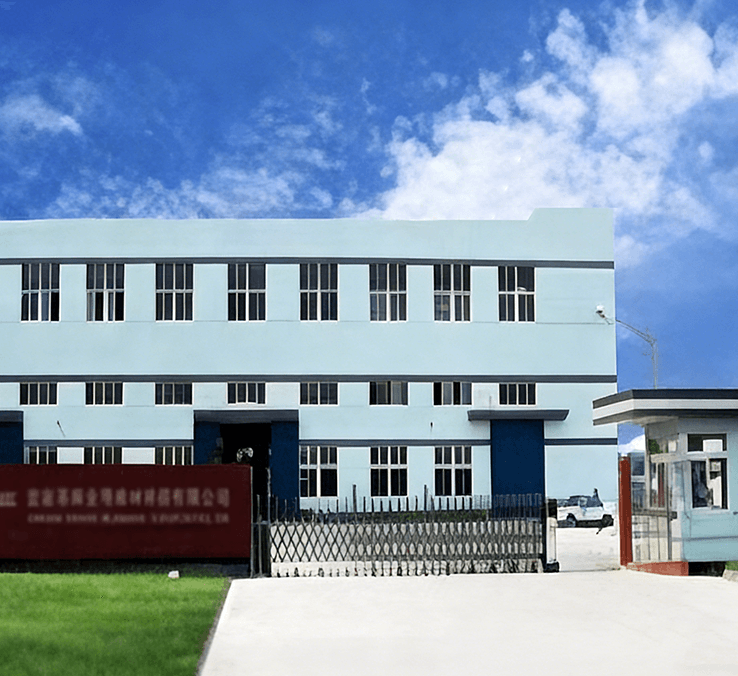
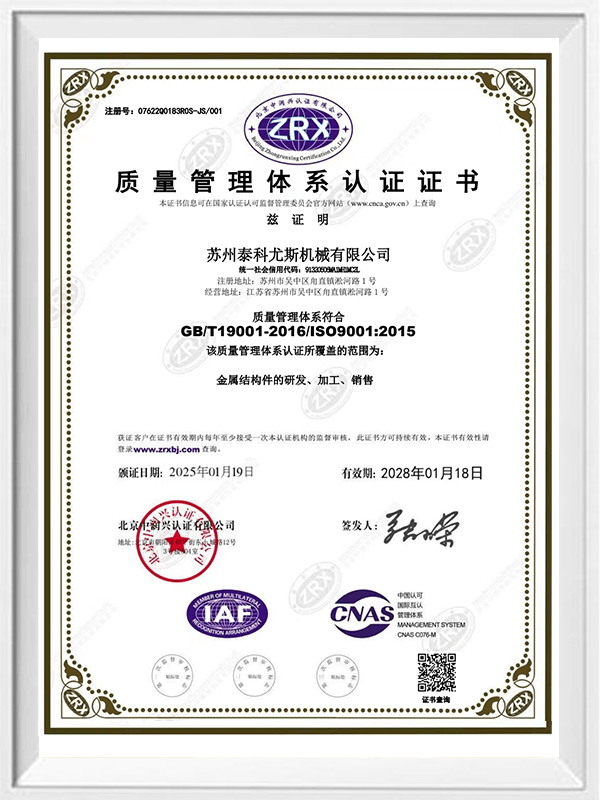
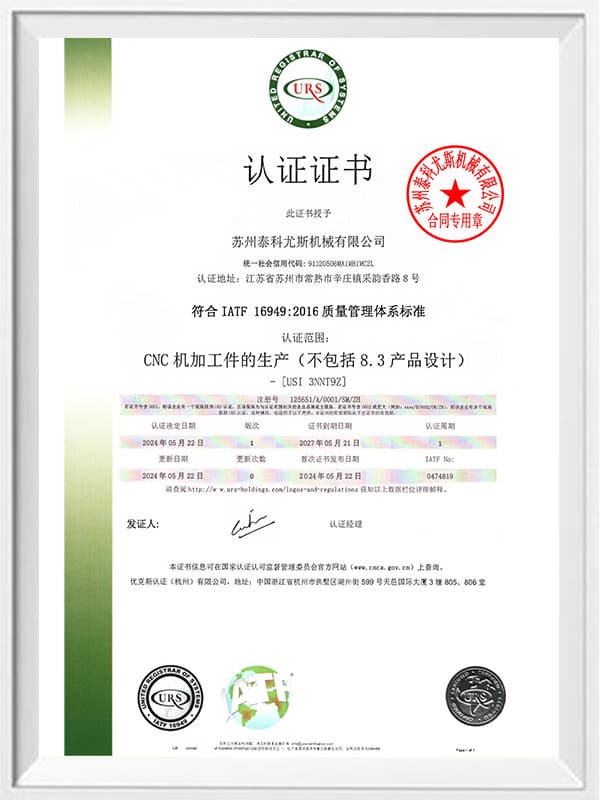
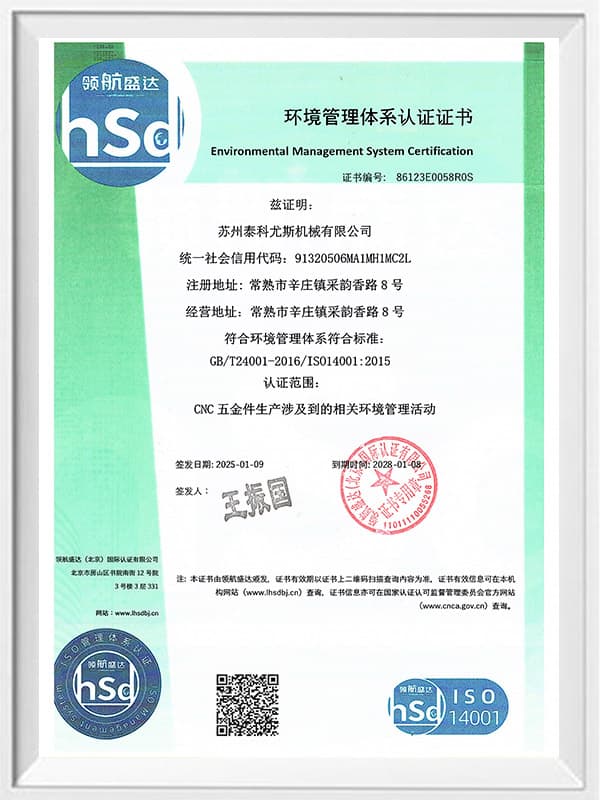
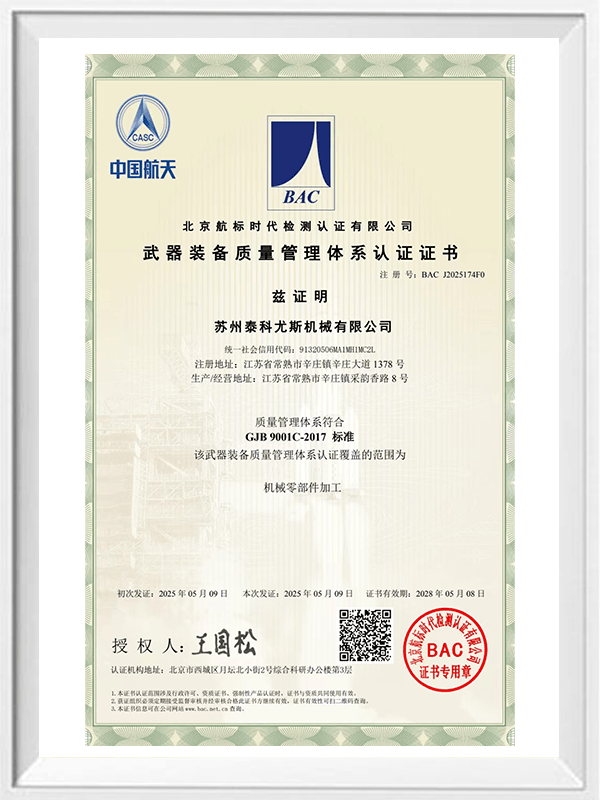
Suzhou Kokosili International Trading Co., Ltd. integrates precision machining and manufacturing management capabilities to support customized metal component production. With a 9,000-square-meter CNC machining and assembly factory and a 10,000-square-meter precision casting factory, the company can provide integrated solutions combining forming, machining, assembly, and quality management.
Aluminum alloy forged components for lightweight engineering
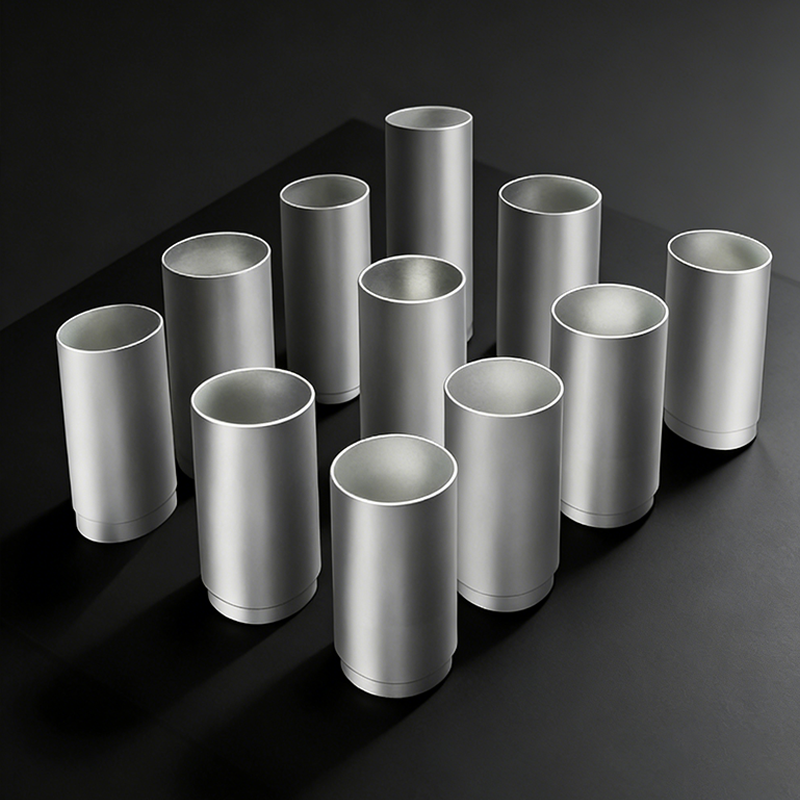
Aluminum alloys have become increasingly important in precision forging because modern industries continue to demand lightweight structures without sacrificing strength. Aluminum forging reduces component weight while maintaining good mechanical stability, making it especially valuable in aerospace, transportation, and new energy applications.
Compared with steel forging, aluminum alloy forging focuses more on weight reduction and corrosion resistance. These characteristics make aluminum alloy precision forging components suitable for systems where efficiency and mobility are important. The refined structure created during forging improves the reliability of aluminum parts used in demanding environments.
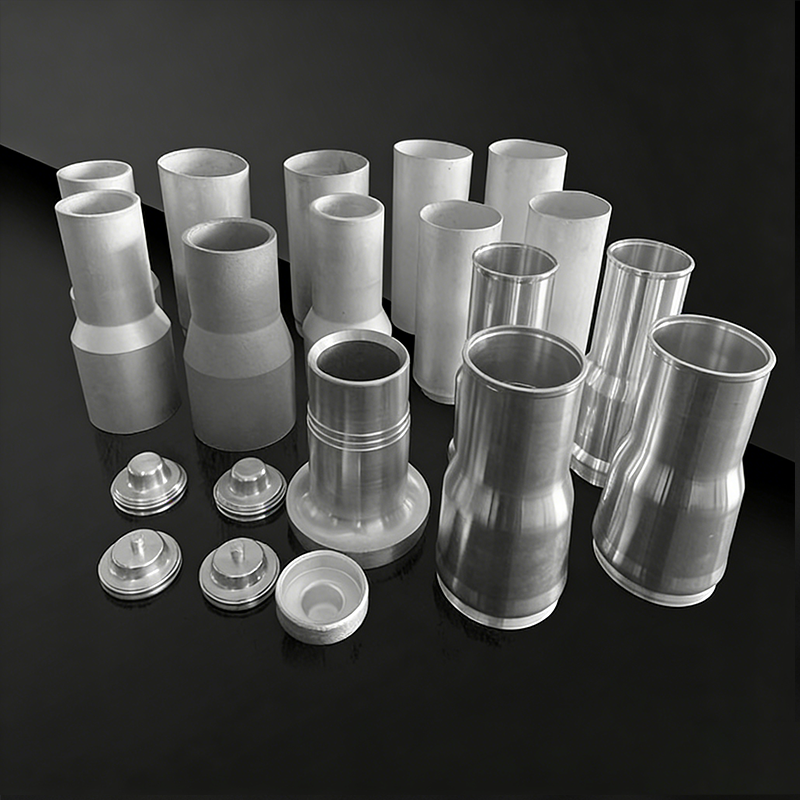
Typical aluminum forged products include structural brackets, support frames, connection parts, and lightweight mechanical components. These parts often require precise dimensions because they must integrate with other high-accuracy assemblies. Precision forging technology helps reduce machining requirements while maintaining consistent product quality.
Advantages and application areas of aluminum forging
- Material efficiency: Aluminum forging reduces unnecessary material waste compared with traditional manufacturing methods.
- Weight optimization: Lightweight structures improve equipment efficiency and transportation performance.
- Corrosion resistance: Aluminum alloys provide stable performance in various environmental conditions.
- Design flexibility: Forging allows customized geometries for specialized applications.
For industries such as new energy equipment and automated logistics, component reliability and weight control are important design considerations. Suzhou Kokosili International Trading Co., Ltd. provides customized precision manufacturing services that support different material requirements, helping customers develop components with suitable structural performance and production efficiency.
Titanium alloy precision forged components for advanced industries
Titanium alloys are considered premium forging materials because they combine high strength, low density, and excellent environmental resistance. These characteristics make them suitable for aerospace systems, medical equipment, and advanced engineering applications where performance requirements are extremely strict.
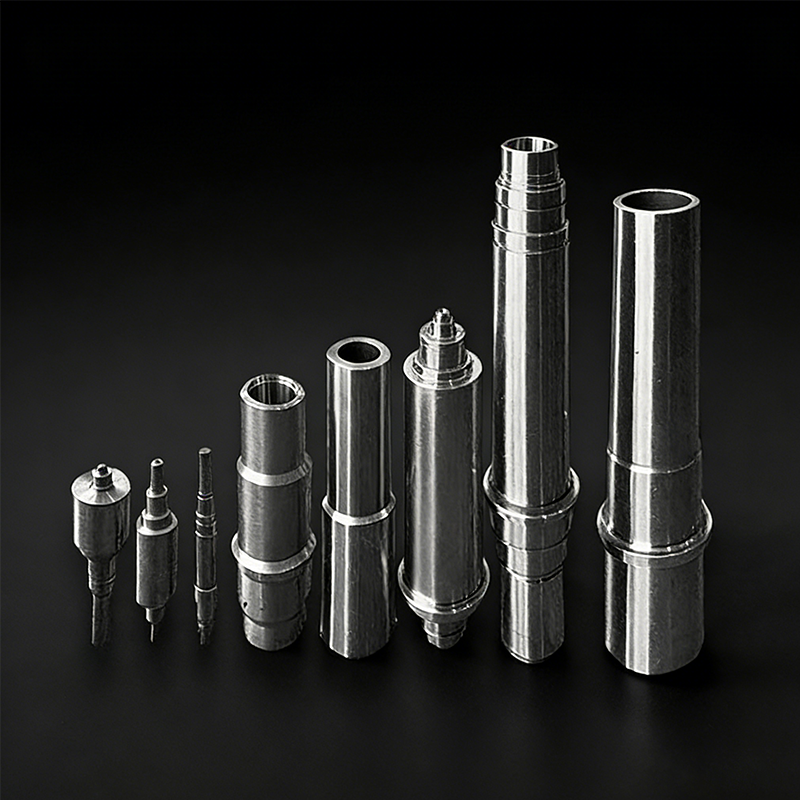
The manufacturing of titanium alloy precision forging components requires advanced process control because titanium materials have unique forming characteristics. Proper forging techniques help achieve consistent internal structures and reliable mechanical properties. These components are often used in applications where failure is unacceptable and long-term stability is required.
Titanium forged parts are commonly found in aircraft structures, high-performance mechanical systems, and specialized industrial equipment. Their excellent strength-to-weight characteristics allow engineers to reduce overall system weight while maintaining structural integrity.
| Comparison Item | Steel Forging | Aluminum Forging | Titanium Forging |
| Primary Advantage | Strength and durability | Lightweight performance | High performance under demanding conditions |
| Main Industries | Automotive and machinery | Transportation and new energy | Aerospace and advanced equipment |
| Processing Requirement | High forming strength control | Precision dimensional control | Strict process management |
How manufacturing capability influences forging quality
The quality of forged components depends not only on material selection but also on manufacturing management, precision processing, and quality control. Modern customers require suppliers that can provide complete production support rather than isolated processing services. From raw material selection to final inspection, every stage affects the reliability of the finished component.
Suzhou Kokosili International Trading Co., Ltd. applies efficient production management through ERP data systems and intelligent warehousing systems. These capabilities allow faster response to customer requirements and support customized solutions for complex industrial projects. The company focuses on precision components, sheet metal processing, liquid cooling systems, energy storage modules, AI servers, and temperature control modules for advanced applications.
A complete forging solution usually includes:
- Material evaluation according to application requirements.
- Precision forming and machining processes.
- Assembly support and production coordination.
- Quality management throughout the manufacturing cycle.
By combining manufacturing resources and technical expertise, Suzhou Kokosili International Trading Co., Ltd. supports customers requiring reliable precision forged metal components for different industries. The company continues improving production capabilities to provide stable and customized manufacturing services.
Frequently Asked Questions
Q1: What metals are most commonly used for precision forging components?
The most common metals include steel alloys, aluminum alloys, and titanium alloys. Each material provides different advantages, with steel focusing on strength, aluminum focusing on lightweight performance, and titanium focusing on advanced applications requiring high performance.
Q2: Why are precision forging components preferred over cast parts?
Forged components typically provide improved internal structure, better mechanical reliability, and stronger resistance to fatigue because the forging process enhances metal flow and structural consistency.
Q3: Can forged components be customized for different industries?
Yes. Precision forging can be combined with machining and assembly processes to create customized components for aerospace, new energy, medical equipment, automated logistics, and industrial applications.
Q4: What solutions can Suzhou Kokosili International Trading Co., Ltd. provide for forged component projects?
Suzhou Kokosili International Trading Co., Ltd. provides customized manufacturing support, precision machining, sheet metal processing, assembly services, and integrated production solutions based on customer-specific requirements.
