

 English
  русский
  عربى
عربى 
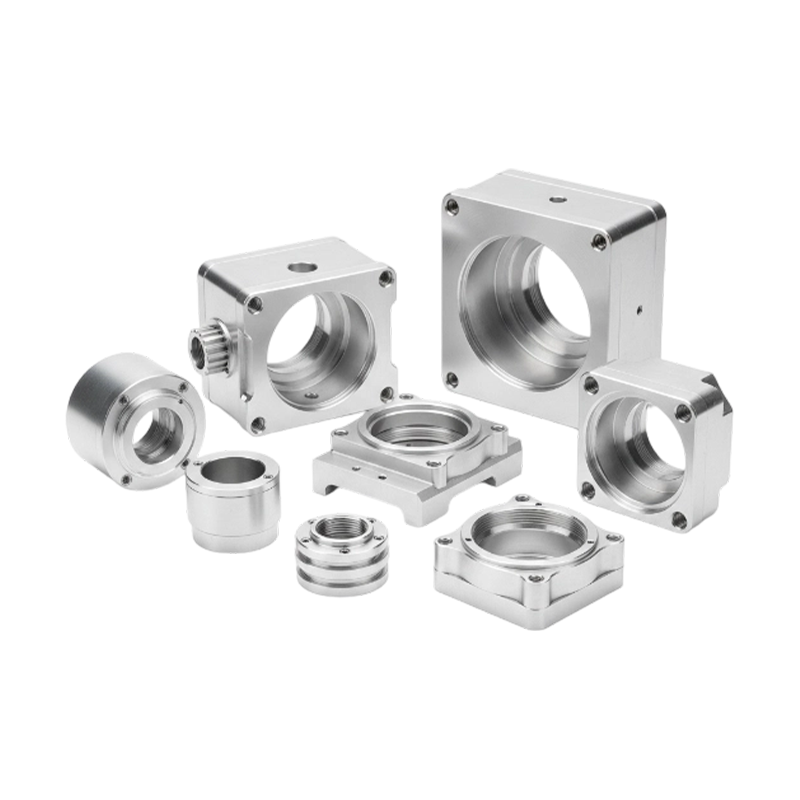
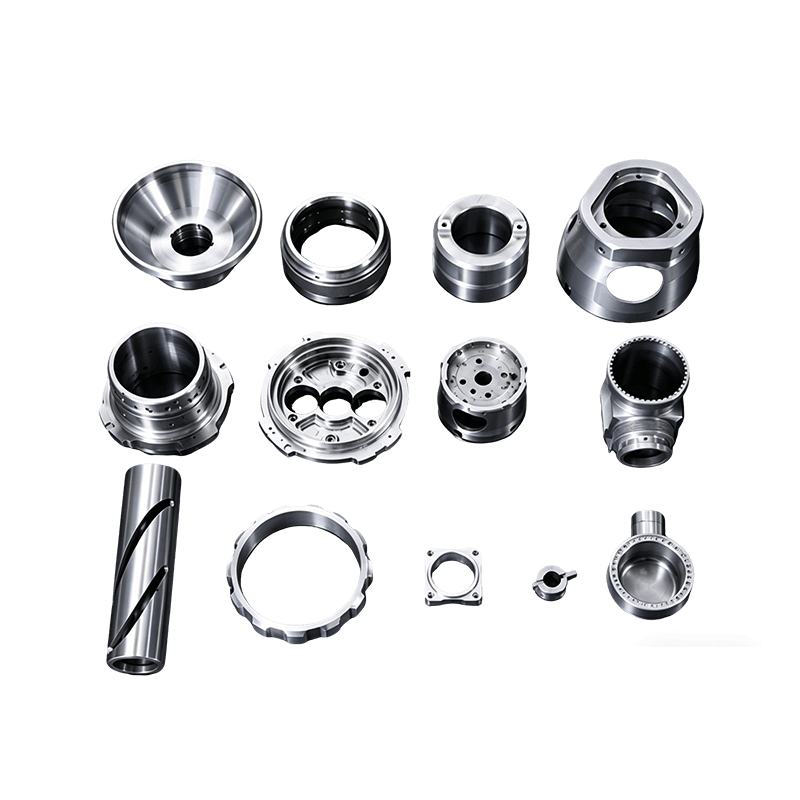
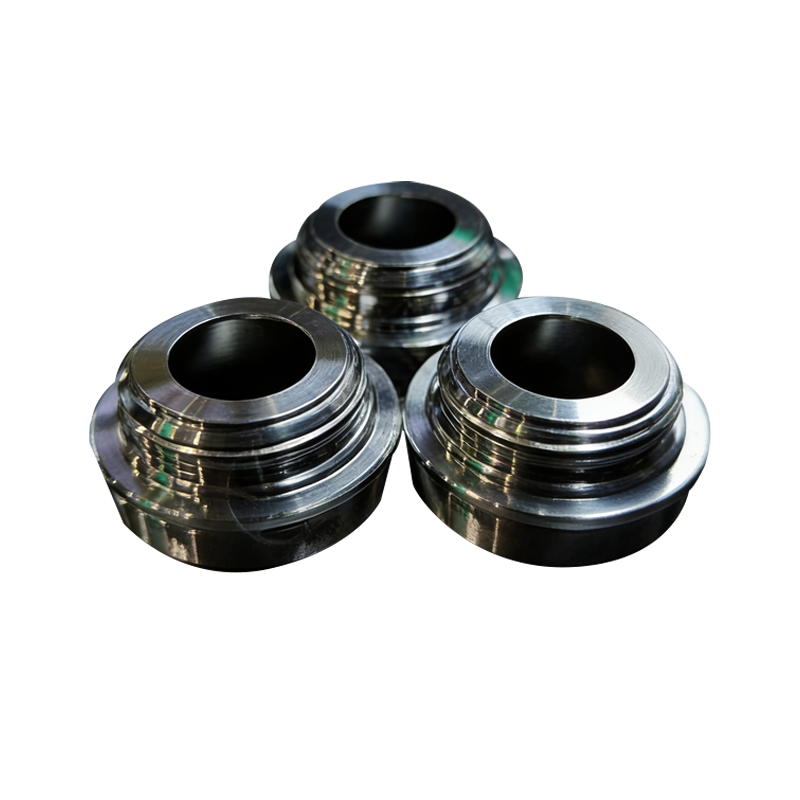
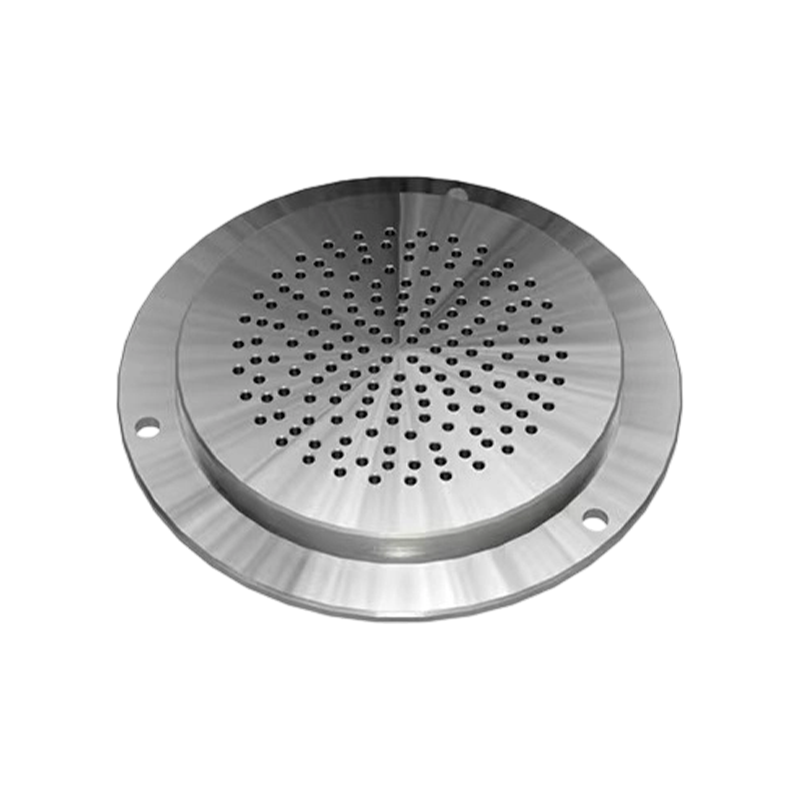
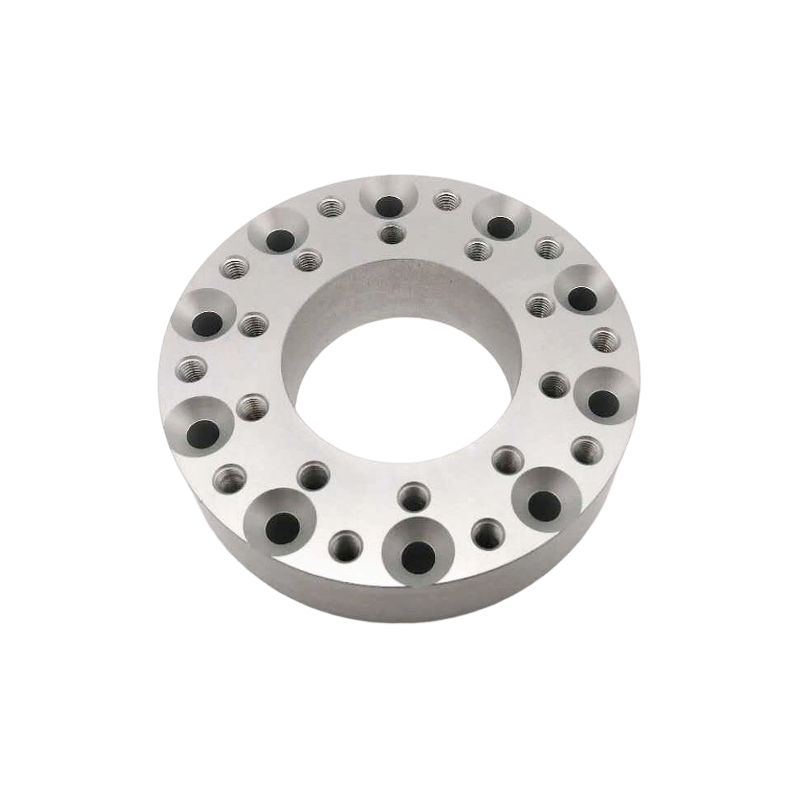



CNC Machining vs. Precision Casting for Metal Precision Components: How to Choose Based on Wall Thickness, Geometric Complexity, and Annual Volume
When developing high-performance Metal Precision Components, one of the most critical early-stage decisions is selecting the optimal manufacturing process. Two predominant methods—CNC machining and precision casting—each offer distinct advantages depending on part geometry, production volume, and performance requirements. For industries like new energy, medical, automated logistics, and aerospace, making the wrong choice can result in excessive costs, extended lead times, or compromised part integrity. This article provides a structured framework for decision-making, based on three key parameters: wall thickness, geometric complexity, and annual demand.
Process Fundamentals: CNC Machining vs. Precision Casting
- CNC Machining is a subtractive process that removes material from a solid billet or forging to achieve final dimensions. It offers exceptional dimensional accuracy (±0.005mm), excellent surface finish (Ra 0.2–1.6µm), and full material integrity without porosity or inclusions.
- Precision Casting (including investment casting and die casting) is a near-net-shape process that forms parts by pouring molten metal into a mold. It enables complex internal geometries, thin walls, and intricate features that would be impossible or extremely costly to machine, though it typically requires secondary finishing operations.
Decision Framework: Evaluating Three Critical Parameters
1. Wall Thickness
- Thin walls (≤ 2mm): Precision casting is generally preferred. Machining thin walls presents challenges with chatter, vibration, and workpiece deflection, making it difficult to maintain tolerances without specialized fixtures and slow cutting speeds. Casting produces thin-walled structures uniformly with minimal stress.
- Medium walls (2–10mm): Both processes are viable. The choice depends on other factors like complexity and volume.
- Thick walls (> 10mm): CNC machining is often more economical, as casting thick sections increases solidification time, leading to shrinkage porosity and longer cycle times. Machining from solid billet ensures dense, defect-free material throughout.
2. Geometric Complexity
- High complexity (undercuts, deep cavities, curved internal passages): Precision casting excels. Features like cooling channels in liquid cooling plates or complex manifolds can be cast near-net-shape, eliminating the need for expensive multi-axis machining or EDM operations.
- Moderate complexity (pockets, holes, flat surfaces): CNC machining is efficient and accurate. Standard 3‑axis or 4‑axis machines can handle these geometries with short setup times and predictable cycle times.
- Low complexity (simple blocks, discs, shafts): CNC machining is the clear choice due to its speed, precision, and material flexibility.
3. Annual Demand (Production Volume)
- Low volume (1–500 pcs/year): CNC machining is strongly preferred. There are no tooling costs (molds/dies), and design changes can be implemented quickly. Per-part cost remains stable regardless of batch size.
- Medium volume (500–5,000 pcs/year): The decision is mixed. Casting tooling amortization may become justifiable, especially if complexity is high. CNC machining remains competitive if part size is large or material is expensive.
- High volume (> 5,000 pcs/year): Precision casting offers significant cost advantages. Once the tooling is amortized, per-part cost drops dramatically, and cycle times are much shorter than machining. Secondary finishing (drilling, tapping, critical surfaces) is still required but can be automated.
Quantitative Comparison: Decision Matrix for Metal Precision Components
The following table summarizes the comparative performance of CNC machining and precision casting across key decision criteria:
| Decision Factor | CNC Machining | Precision Casting |
|---|---|---|
| Minimum Wall Thickness | ≥ 0.8mm (with careful tooling) | ≥ 0.5mm (near-net shape) |
| Maximum Wall Thickness | Unlimited (from solid billet) | Typically ≤ 50mm (to avoid porosity) |
| Complexity Limit | Limited by tool access (5-axis can handle most) | Virtually unlimited (internal passages, undercuts) |
| Typical Dimensional Tolerance | ±0.005 – ±0.025mm | ±0.1 – ±0.3mm (as-cast); ±0.025mm after finishing |
| Surface Finish (Ra) | 0.2 – 1.6µm | 1.6 – 6.3µm (requires secondary machining) |
| Tooling Cost (Mold/Die) | None (direct from billet) | $5,000 – $100,000+ depending on size |
| Lead Time (First Article) | 1–3 weeks | 6–12 weeks (tooling fabrication) |
| Per-Part Cost at 100 pcs | High (mostly machining time) | Very High (tooling amortization) |
| Per-Part Cost at 10,000 pcs | Moderate (material waste + machining) | Low (tooling amortized, fast cycle) |
| Design Change Flexibility | High (instant, via CAM update) | Low (requires mold modification) |
Integrated Capability: How Our Group Supports Both Paths
Our group is uniquely positioned to guide clients through this decision because we operate both manufacturing modalities under one management structure. Techuse Machinery, our core manufacturing facility, specializes in precision CNC machining for components like liquid cooling pipelines, water distributors, and custom machined parts. Concurrently, our 10,000m² precision casting factory delivers near-net-shape castings for high-volume applications across new energy and aerospace.
This dual capability eliminates bias—we recommend the process that truly optimizes cost, quality, and delivery for each specific Metal Precision Components project. Additionally, SEMICH Precision Technology provides expert cutting tool selection for the machining phase, while Cocosili manages global logistics and customer communication, ensuring seamless end-to-end service.
Frequently Asked Questions (FAQ)
- Q1: What is the typical decision-making workflow at Suzhou Kokosili International Trading Co., Ltd. when a client presents a new Metal Precision Components project?
A: Our engineering team conducts a comprehensive DFM (Design for Manufacturability) review that evaluates wall thickness, complexity, and projected annual volume. We use cost-modelling software to compare CNC machining vs. precision casting options, factoring in tooling amortization, material utilization, and secondary operations. We then present a clear recommendation with quantitative data. If the part has extremely thin walls or complex internal cooling passages, we often recommend precision casting with CNC finishing on critical interfaces. For parts requiring tight tolerances on multiple surfaces, we recommend fully machined solutions. Our integrated facilities allow us to execute either path with equal competence. - Q2: Can Suzhou Kokosili International Trading Co., Ltd. produce Metal Precision Components using a hybrid approach—combining casting and machining—and what are the benefits?
A: Yes, hybrid manufacturing is one of our core strengths. Many of our Metal Precision Components are produced as cast near-net-shape blanks, then CNC-machined on all critical mating surfaces, sealing grooves, and threaded holes. This approach combines the best of both worlds: casting provides the complex geometry and material efficiency, while machining ensures precise fits and superior surface finishes. This hybrid method reduces overall cost compared to fully machined parts while delivering the reliability required for industries like medical and aerospace. We manage the entire workflow internally—from casting at our 10,000m² facility to machining at our 9,000m² CNC plant—ensuring tight process control and single-source accountability. - Q3: How does Suzhou Kokosili International Trading Co., Ltd. handle the transition from prototype to mass production for Metal Precision Components when the process choice may change?
A: We frequently support clients through this transition. For prototyping and low-volume validation, we typically use CNC machining due to its speed and flexibility. Once the design is finalized and annual demand increases, we evaluate whether shifting to precision casting is economically beneficial. Our group manages this transition seamlessly because both processes are in-house. We provide concurrent engineering support, helping clients redesign certain features (e.g., adding draft angles, adjusting wall thickness) to optimize for casting without compromising functional requirements. Throughout this process, Cocosili coordinates all export and trade documentation, while SEMICH Precision Technology supplies the specialized cutting tools needed for the post-casting finishing operations. This integrated model ensures a smooth scale-up with consistent quality and traceability.
Cutting Heat and Thermal Deformation in Precision Machined Metal Parts: Impact on Dimensional Stability and Effective Control Strategies
In the production of Precision Machined Metal Parts, cutting heat is an unavoidable byproduct of the material removal process. While a certain amount of heat is necessary for efficient chip formation, excessive thermal energy can become one of the most significant sources of dimensional error. Unlike tool wear or machine misalignment, thermal errors are subtle, cumulative, and often difficult to diagnose without systematic monitoring. This article examines how cutting heat and thermal deformation affect the dimensional stability of Precision Machined Metal Parts, and provides a practical framework for controlling thermal errors in production environments.
How Cutting Heat Affects Dimensional Stability
When a cutting tool engages with a workpiece, approximately 80% of the mechanical energy is converted into heat. This thermal energy is distributed across three zones:
- Shear zone (primary deformation): Heat generated by plastic deformation of the material ahead of the cutting edge.
- Friction zone (secondary deformation): Heat generated by friction between the chip and the tool rake face.
- Flank friction zone (tertiary): Heat generated by rubbing between the tool flank and the newly machined surface.
This heat causes thermal expansion in both the workpiece and the cutting tool. For Precision Machined Metal Parts, even a temperature rise of 10°C can produce expansion of approximately 0.01mm per 100mm of length in steel—a deviation that is unacceptable for components with tolerances of ±0.005mm.
Three Primary Mechanisms of Thermal Error in Precision Machined Metal Parts
- Workpiece thermal growth: As the part absorbs heat, it expands unevenly. Thin sections heat and expand faster than thick sections, causing warpage and distortion that may not return to original dimensions even after cooling.
- Tool thermal expansion: The cutting tool elongates as it heats up, effectively changing the tool offset and deepening the cut. This is particularly problematic in long-reach tools and high-speed machining.
- Machine structure thermal drift: Spindle bearings, ball screws, and machine frames expand with heat, shifting the machine's reference zero point. This leads to systematic errors that drift over time during a production run.
Key Parameters and Their Impact on Thermal Behavior
The following table compares how different factors influence thermal generation and deformation in Precision Machined Metal Parts:
| Factor | Effect on Heat Generation | Effect on Thermal Deformation | Typical Mitigation Strategy |
|---|---|---|---|
| Cutting Speed (Vc) | Higher speed increases heat generation exponentially | Rapid tool and workpiece expansion | Optimize speed for minimum specific energy |
| Feed Rate (f) | Higher feed reduces heat per unit volume (thicker chip removes more heat) | Better heat dissipation through chip | Increase feed where surface finish allows |
| Depth of Cut (ap) | Deeper cuts generate more total heat but distribute over larger area | Greater workpiece thermal gradient | Use multiple light passes for thin-walled parts |
| Cutting Fluid Application | Significantly reduces heat at cutting zone | Stabilizes workpiece and tool temperatures | High-pressure coolant directed at cutting edge |
| Material Thermal Conductivity | Aluminum dissipates heat quickly; titanium retains heat | Low conductivity materials suffer higher local temperatures | Adjust parameters per material group |
| Tool Coating (TiAlN, AlCrN) | Reduces friction coefficient and heat generation | Lower tool temperature reduces expansion | Select coating matching material being cut |
Practical Control Strategies for Thermal Error Management
Effective thermal control in Precision Machined Metal Parts production requires a multi-layered approach, combining preventive measures, real-time monitoring, and compensatory actions:
- Pre-cooling and machine warm-up: Run the machine for a standardized warm-up cycle (typically 20–30 minutes) before starting critical production. This allows thermal equilibrium to be reached so that subsequent thermal drift is predictable and stable.
- Coolant system optimization: Use high-pressure, high-volume coolant directed precisely at the cutting interface. For materials like titanium and stainless steel, minimum quantity lubrication (MQL) can be effective when combined with chilled air. Through-spindle coolant is particularly effective for deep-hole drilling and internal cavity machining.
- In-process thermal compensation: Modern CNC controls allow for thermal compensation algorithms that adjust tool offsets based on spindle temperature sensors. Real-time probing can also be used to measure critical features between operations and automatically update offsets.
- Process parameter adjustment: Reducing cutting speed by 20–30% can dramatically reduce heat generation, though this increases cycle time. A better approach is to increase feed rate and depth of cut while maintaining speed—this removes material with thicker chips that carry away more heat.
- Fixture and workpiece pre-conditioning: Store workpieces and fixtures in a temperature-controlled environment (20±1°C) for at least 24 hours prior to machining. Use of expansion-free fixture materials such as Invar or ceramic can minimize clamping-induced thermal distortion.
- Distributed manufacturing: For large Precision Machined Metal Parts, consider roughing and finishing as separate operations with an intermediate cool-down period between them. This allows thermal stresses to relax before the final finishing pass.
Integrated Thermal Management at Our Group
Our core manufacturing facility, Techuse Machinery, employs a comprehensive thermal management system across its 9,000m² CNC plant. Each machine is equipped with spindle temperature sensors and coolant temperature monitors that feed data into a centralized thermal compensation system. For critical liquid cooling pipelines and precision casting parts that require tight tolerances, we implement in-process gauging with automatic offset correction, ensuring that thermal drift is continuously compensated throughout the production run.
Our tooling division, SEMICH Precision Technology, supports these efforts by providing application-specific cutting tools with advanced thermal-resistant coatings (such as TiAlN and AlCrN), along with detailed parameter recommendations for each material group. This integration between tool selection and machining strategy is essential for maintaining dimensional stability in high-value Precision Machined Metal Parts.
Meanwhile, Cocosili ensures that thermal management requirements are clearly documented and communicated in all export quotations and technical agreements, so that global clients fully understand our quality control approach. By unifying in-house manufacturing, professional tool supply, and global export services, we deliver reliable, thermally-stable Precision Machined Metal Parts to industries ranging from aerospace to automated logistics.
Frequently Asked Questions (FAQ)
- Q1: How does Suzhou Kokosili International Trading Co., Ltd. verify that thermal errors are effectively controlled during a production run of Precision Machined Metal Parts?
A: We implement a three-level verification protocol. First, each CNC machine runs a standard thermal stability test at the start of each shift. Second, we conduct in-process dimensional checks using a touch probe mounted on the spindle, measuring critical features at set intervals (e.g., every 10 parts). Third, we perform final inspection using a coordinate measuring machine (CMM) in a temperature-controlled metrology room (20±0.5°C). Any deviation beyond the control limit triggers an automatic alarm, stopping production for investigation and offset adjustment. This layered approach ensures that thermal errors are detected and corrected before they affect product quality. - Q2: What specific actions does Suzhou Kokosili International Trading Co., Ltd. take when machining materials with poor thermal conductivity, such as titanium alloys or Inconel, which tend to generate severe cutting heat?
A: For these challenging materials, we adopt a specialized strategy: (1) We reduce cutting speed by 30–40% and use a high-feed milling strategy to keep chip thickness consistent. (2) We apply high-pressure coolant (up to 70 bar) directly through the spindle to the cutting edge. (3) We perform roughing and finishing as separate operations, with a minimum 30-minute cool-down period between them to allow the workpiece to return to ambient temperature. (4) We use custom tool geometries supplied and recommended by SEMICH Precision Technology, featuring advanced AlCrN coatings designed specifically for high-temperature alloys. This combination ensures that our Precision Machined Metal Parts maintain tight tolerances even under extreme thermal conditions. - Q3: What is the role of SEMICH Precision Technology within Suzhou Kokosili International Trading Co., Ltd. in addressing thermal challenges in Precision Machined Metal Parts production?
A: SEMICH Precision Technology plays a critical role as our dedicated tooling and technical support division. They do not simply supply cutting tools; they provide application engineering support that includes thermal simulation analysis for each new part program. Based on the workpiece material, tool geometry, and machine specifications, SEMICH recommends the optimal tool coating, cutting parameters, and coolant strategy to minimize heat generation. They also monitor tool wear trends and provide regrinding or replacement recommendations before thermal errors become significant. This internal tooling expertise—combined with our in-house manufacturing at Techuse Machinery—gives us a distinct advantage in managing thermal deformation across every batch of Precision Machined Metal Parts, from prototype to high-volume production.
