

 English
  русский
  عربى
عربى 



How Does the Semiconductor Supply Chain Manage Geopolitical Risks and Foundry Capacity Constraints?
The semiconductor supply chain is among the most complex and geographically concentrated industrial networks in the world. Over the past decade, it has faced unprecedented pressures: U.S.-China trade tensions, export controls, pandemic-induced shutdowns, natural disasters in key manufacturing hubs (Taiwan, Japan, South Korea), and a structural shortage of foundry capacity—particularly for mature nodes (28nm and above) and advanced nodes (7nm and below).
Managing these dual threats—geopolitical fragmentation and capacity bottlenecks—has become a strategic imperative for every player in the ecosystem, from chip designers to OEMs to end-equipment manufacturers.
Geopolitical Risks: The New Reality
| Risk Factor | Impact on Supply Chain | Industry Response |
| Export Controls (e.g., U.S. CHIPS Act, Dutch/Japan equipment restrictions) | Restricted access to advanced lithography tools (EUV/DUV) for China; restricted sale of high-end AI chips to specific entities | Stockpiling, alternative sourcing from non-sanctioned foundries, domestic R&D acceleration |
| Regional Concentration (Taiwan ~65% of global foundry capacity for <10nm) | Any military conflict or natural disaster in the Taiwan Strait could disrupt ~70% of advanced logic supply | Fab diversification: TSMC (Arizona, Japan), Samsung (Texas), Intel (Europe, Ohio, Arizona), UMC (Singapore) |
| Critical Material Dependency (e.g., neon from Ukraine, palladium from Russia, rare earths from China) | Price volatility and sudden supply cuts for laser gases, polishing slurries, and specialty metals | Multisourcing agreements, strategic stockpiling, development of alternative materials |
| Tariffs and Trade Barriers | Increased cost of cross-border shipments, customs delays, and compliance overhead | Nearshoring / friend-shoring: building new fabs in North America and Europe |
Foundry Capacity Constraints: A Structural Challenge
Even before geopolitical tensions escalated, the semiconductor industry faced a chronic capacity crunch. The reasons are structural:
- Long lead times: Building a new advanced fab costs $15–20 billion and takes 3–5 years.
- Equipment bottlenecks: ASML produces only ~50–60 EUV lithography systems per year—all allocated years in advance.
- Mature node shortage: Automotive, industrial, and power semiconductors (mostly 28nm–180nm) face acute shortages because foundries prioritized high-margin advanced nodes.
- Demand surge: AI, EVs, renewable energy, and IoT are driving compound annual growth rates exceeding 10% in silicon consumption.
Strategy Comparison: How Players Manage Risks
| Strategy | Used By | Pros | Cons |
| Foundry Diversification | AMD, Nvidia, Qualcomm, Apple | Reduces single-point-of-failure risk; leverages competitive pricing | Higher qualification costs; IP security concerns |
| Strategic Stockpiling (Buffer Inventory) | Automotive OEMs (e.g., Toyota, VW), server manufacturers | Immediate protection against short-term disruption | High carrying cost; obsolescence risk for fast-changing nodes |
| Long-Term Agreements (LTA) with Foundries | All major fabless companies | Guaranteed allocation; predictable pricing | Reduced flexibility; penalty clauses for under-utilization |
| Captive Fab Investment (IDM model) | Intel, Samsung, Texas Instruments, STMicroelectronics | Full control over technology, capacity, and IP | Enormous capital expenditure; slower to pivot |
| Ecosystem Integration with Equipment & Material Suppliers | All top-tier players | Ensures tool availability and material stability | Requires deep partnerships; long negotiation cycles |
Key Insight
The semiconductor supply chain is transitioning from a "just-in-time" (JIT) model to a "just-in-case" (JIC) model. Companies are accepting higher inventory levels, dual-sourcing critical components, and investing in regional manufacturing clusters. However, this shift increases costs—estimated at 30–40% premium for Western-built chips—and complicates logistics. Geopolitical agility and capacity planning are now core competencies, not back-office functions.
For the broader electronics ecosystem—including companies that manufacture equipment, enclosures, cooling systems, and precision components for semiconductor production—this means higher demand for localized supply chains, tighter tolerance requirements, and faster turnaround times. The semiconductor industry's risk mitigation is cascading into every tier of the supply chain.
About Suzhou Kokosili International Trading Co., Ltd.
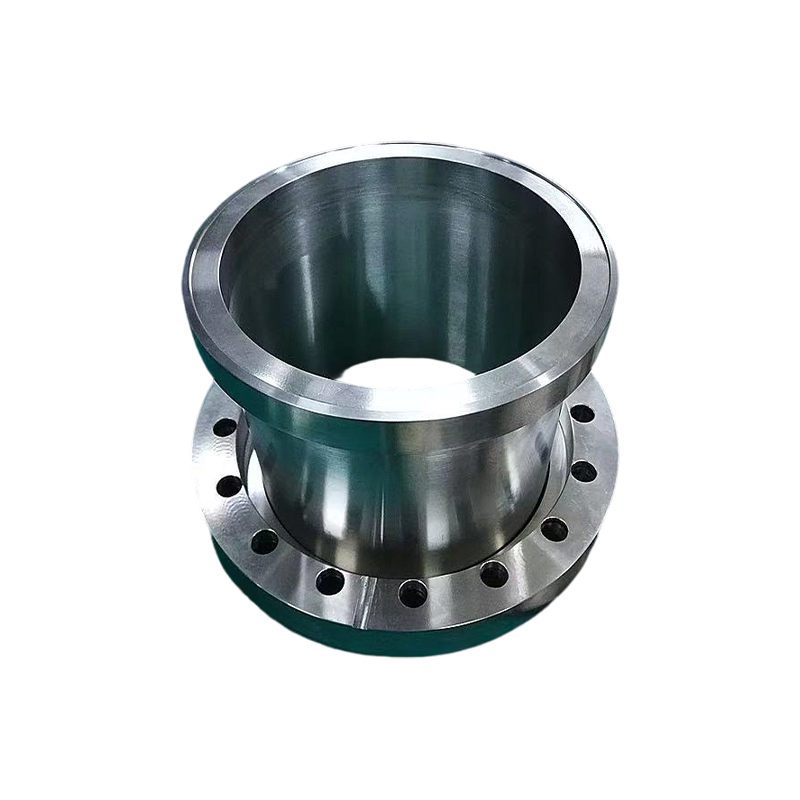
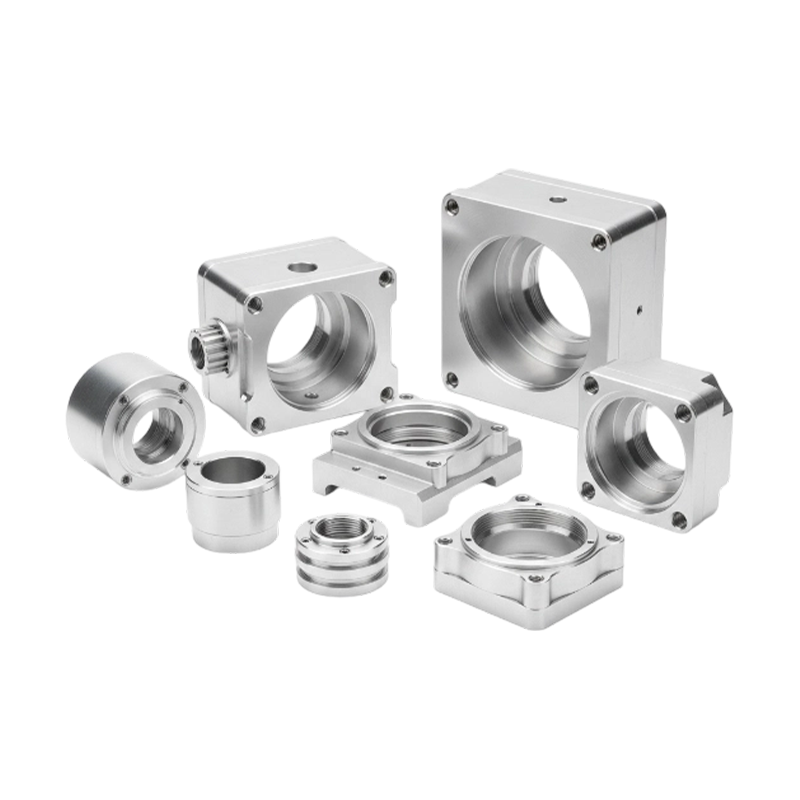
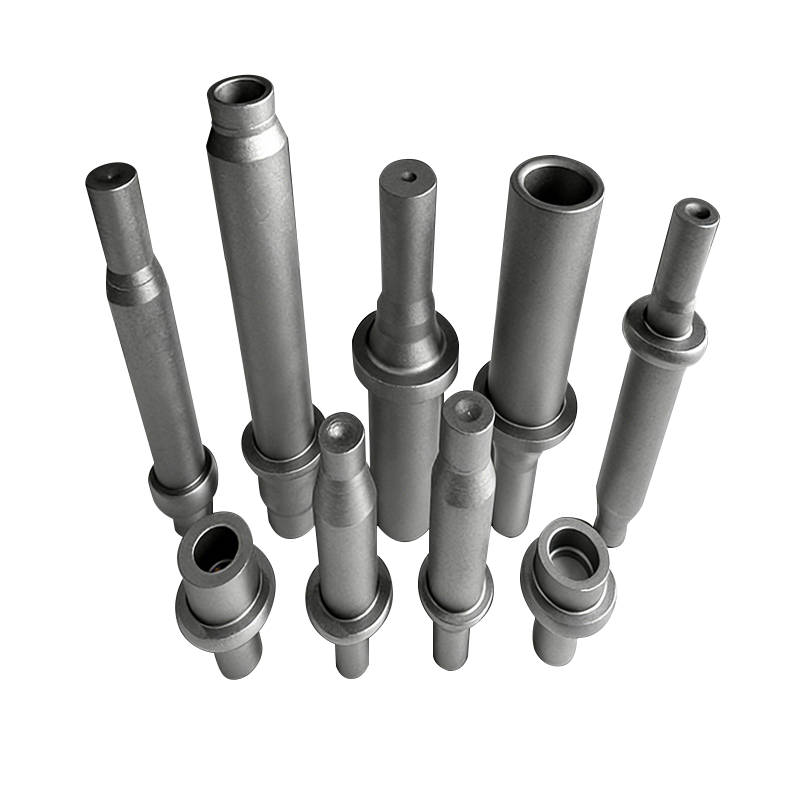
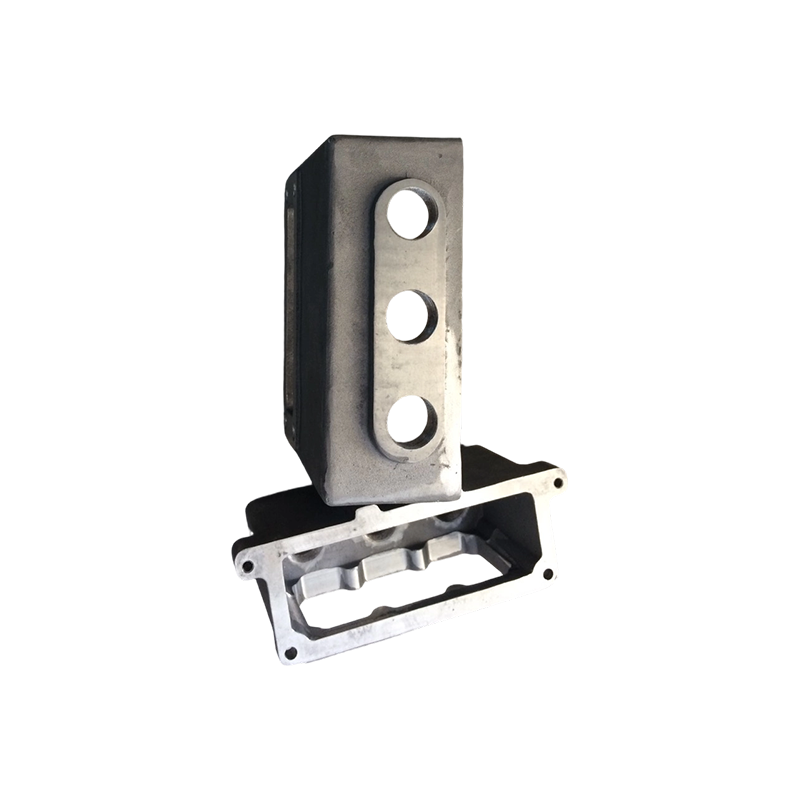
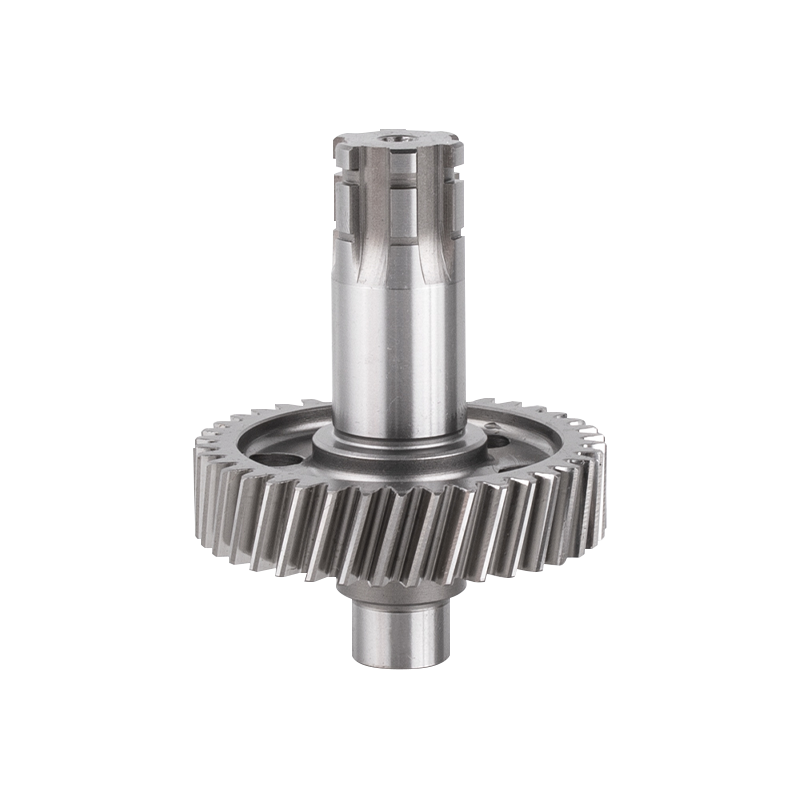
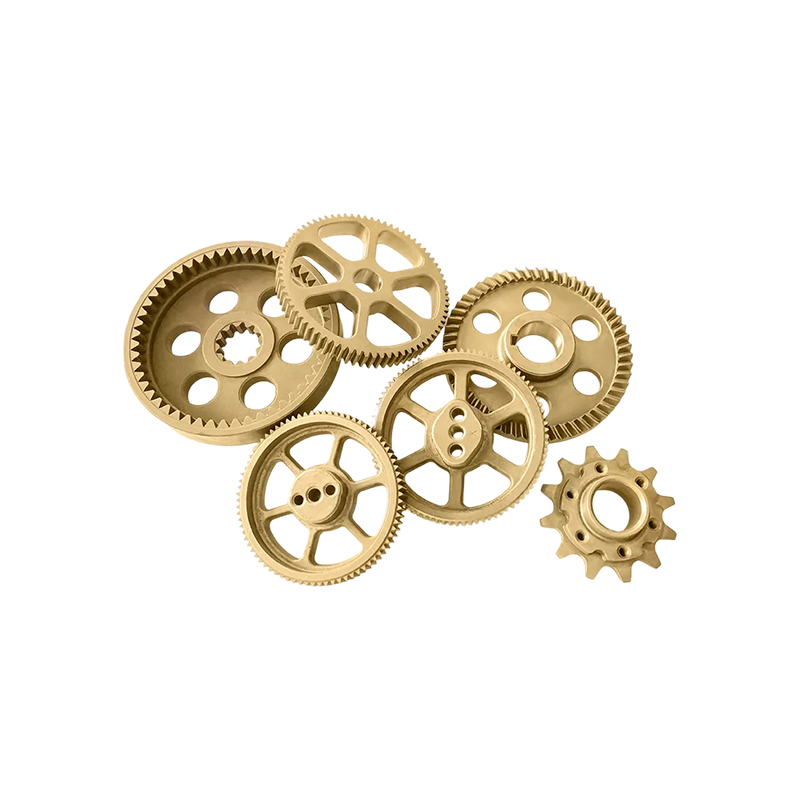
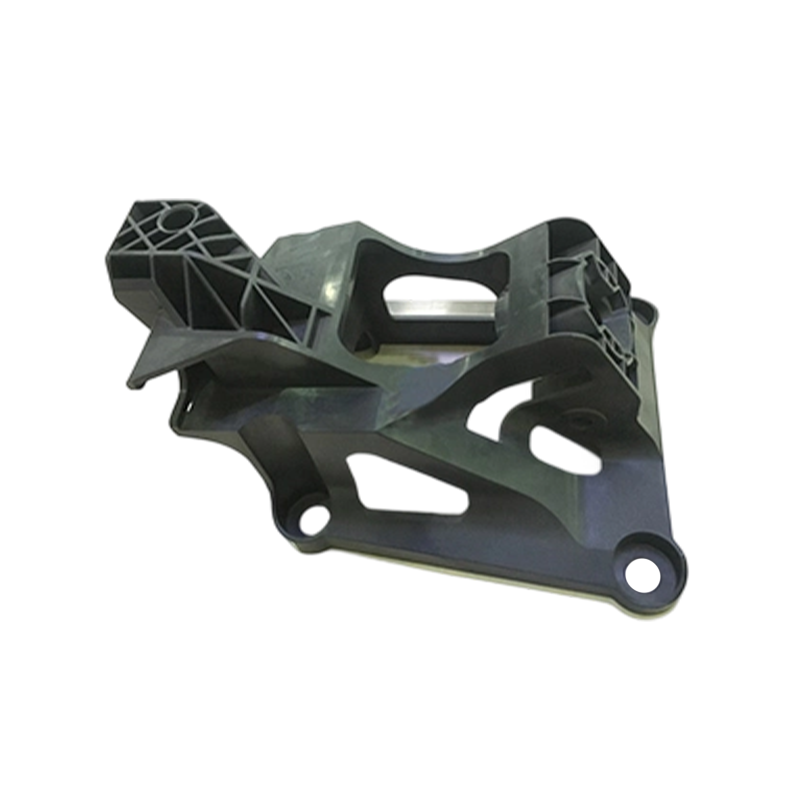
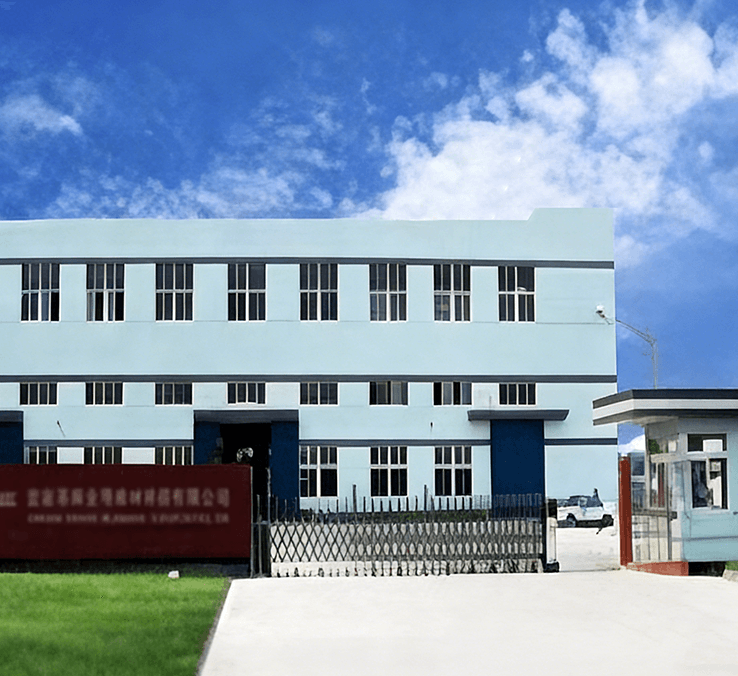
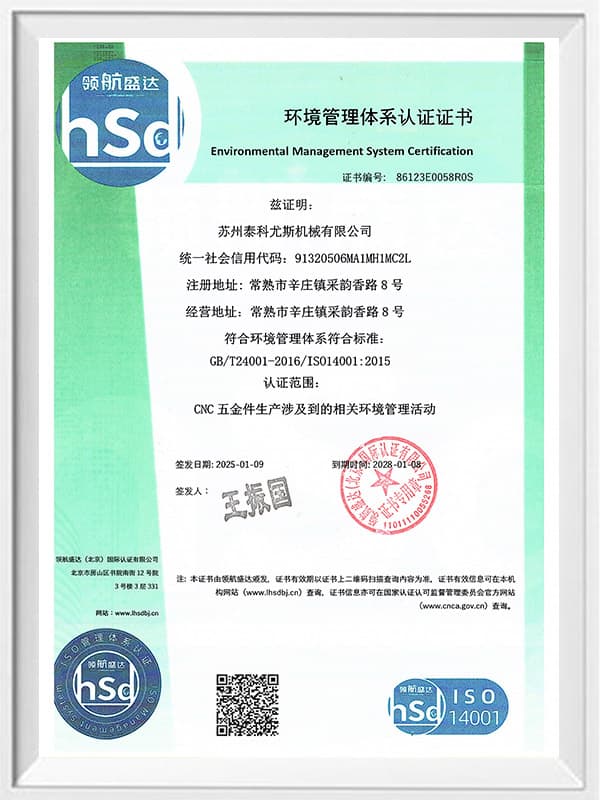
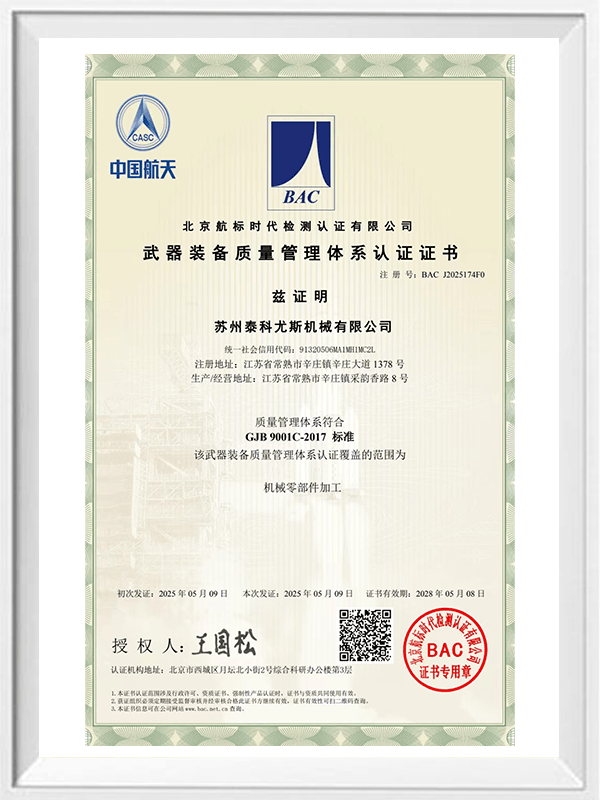
Suzhou Kokosili International Trading Co., Ltd. specializes in providing high-precision components and sheet metal processing for industries including new energy, medical, automated logistics, aerospace, and more. We are China Custom High-Precision Components And Sheet Metal Processing Manufacturers, Factory. Our products include liquid cooling systems, energy storage modules, AI servers, data center temperature control modules, cutting tools, and precision machining equipment. The company operates a 9,000m² CNC machining and assembly plant and a 10,000m² precision casting factory. With an efficient production management model, we offer customized services and complete solutions to meet our clients' specific needs.
All three enterprises are fully owned and operated by our group, with well-defined business divisions and integrated operations. Cocosili functions as our dedicated international trade hub, managing global customer cooperation, export customs clearance, foreign exchange settlement and overseas brand promotion.
Techuse Machinery is our core manufacturing facility. It focuses on R&D, precision processing and mass production, covering liquid cooling pipelines, water distributors, custom CNC machined components and precision casting parts.
SEMICH Precision Technology specializes exclusively in the sales, selection guidance and technical support of CNC cutting tools and supporting industrial supplies.
By unifying in-house manufacturing, professional tool supply and global export services, we deliver reliable one-stop solutions for clients worldwide.
FAQs
Q1: How does Suzhou Kokosili International Trading Co., Ltd. support semiconductor equipment manufacturers facing supply chain disruptions?
Semiconductor equipment (e.g., wafer steppers, etch tools, deposition chambers) relies heavily on high-precision components, liquid cooling systems, and custom sheet metal enclosures—all areas where our group excels. With Techuse Machinery's 9,000m² CNC machining plant and 10,000m² precision casting facility, we offer rapid prototyping and mass production of critical mechanical parts. Suzhou Kokosili International Trading Co., Ltd. manages global logistics and export compliance, ensuring that shipments reach your assembly sites on schedule, even as geopolitical conditions change. Our vertical integration allows us to shorten lead times and provide alternative material solutions when supply chain bottlenecks arise.
Q2: Can your company localize production to help mitigate geographic concentration risks?
Yes. As a China-based manufacturer with established export capabilities, we provide an alternative sourcing option for semiconductor OEMs seeking to diversify their supplier base away from single-region dependencies. Our group's integrated model—Cocosili for trade, Techuse Machinery for production, and SEMICH for tooling support—means we can act as a turnkey mechanical solutions partner for semiconductor equipment builders. Whether you need liquid cooling manifolds, precision cast housings, or custom CNC-machined brackets, we deliver consistency, quality, and full documentation. And through our global trade network, we can support localized logistics arrangements to reduce cross-border friction.
Q3: How does Suzhou Kokosili International Trading Co., Ltd. address the thermal management challenges in semiconductor manufacturing equipment?
Thermal management is mission-critical in semiconductor production—from wafer fabrication (where temperature stability affects etch uniformity) to final test (where high-power AI chips require active cooling). Our product portfolio includes liquid cooling systems, cooling pipelines, and water distributors specifically designed for high-precision applications. Techuse Machinery manufactures these components using corrosion-resistant alloys and precision welding techniques, ensuring leak-free operation and consistent thermal performance. SEMICH Precision Technology supplies the cutting tools required for machining these complex cooling channels. And Suzhou Kokosili International Trading Co., Ltd. coordinates custom design, prototyping, and delivery. As semiconductor fabs scale up capacity and power density increases, our thermal management solutions help equipment manufacturers maintain yields and uptime—directly addressing the operational risks associated with capacity expansion.
