

 English
  русский
  عربى
عربى 




What Factors Should You Consider Before Buying Numerical Control Equipment?
In modern manufacturing industries, selecting suitable numerical control equipment has become a critical decision that directly affects machining accuracy, production efficiency, operational stability, and long-term production costs. As industries such as aerospace, medical devices, new energy, semiconductor manufacturing, and automated logistics continue to require higher precision and flexibility, companies need to carefully evaluate equipment performance, processing capabilities, control systems, and application requirements before making an investment. The right CNC equipment selection strategy helps manufacturers achieve consistent quality, optimize production processes, and support future manufacturing expansion.
Understanding the Role of Numerical Control Equipment in Manufacturing
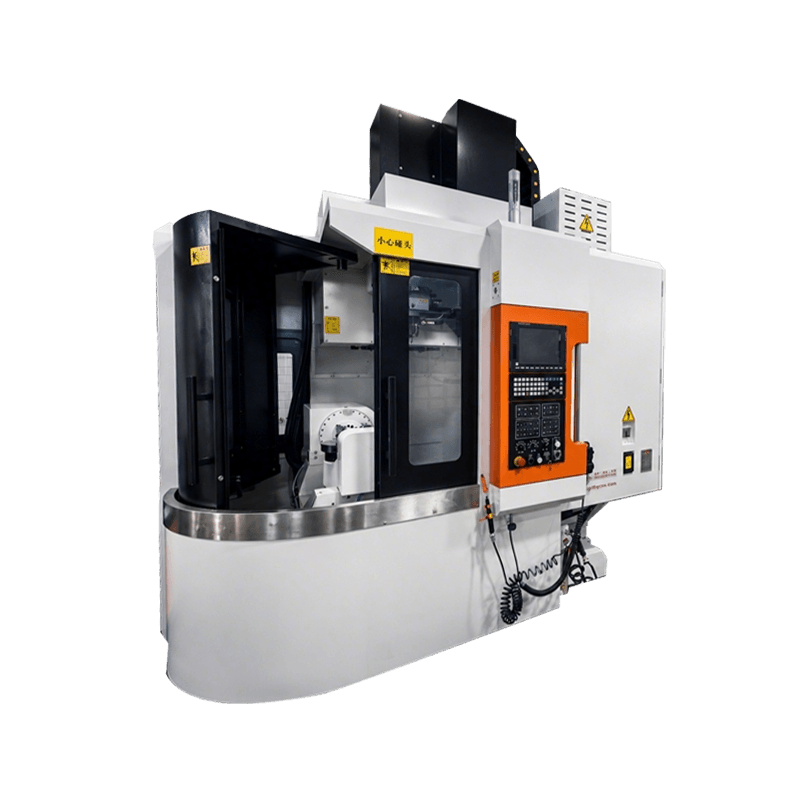
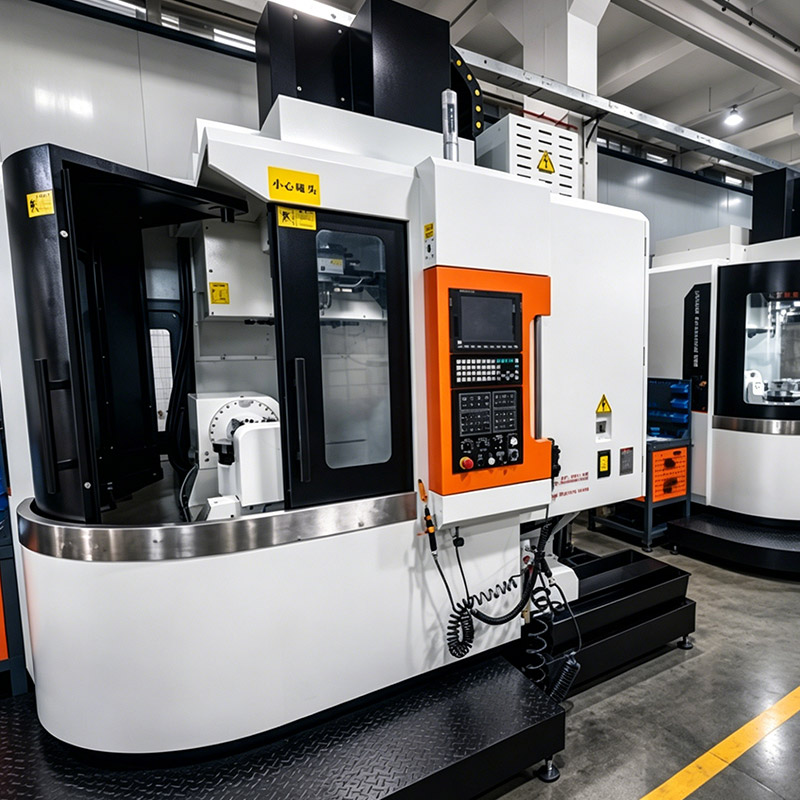
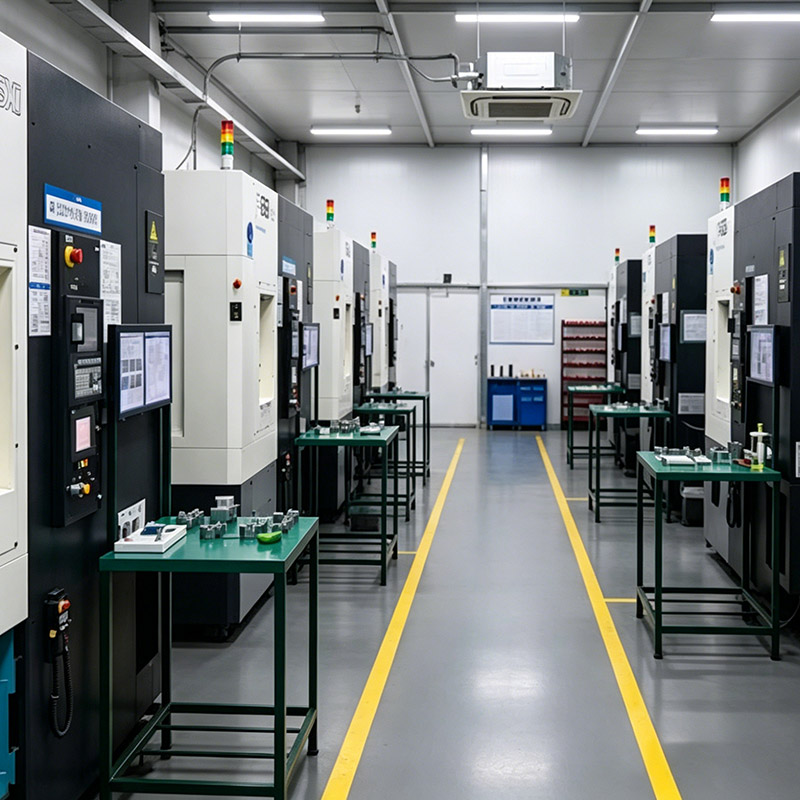
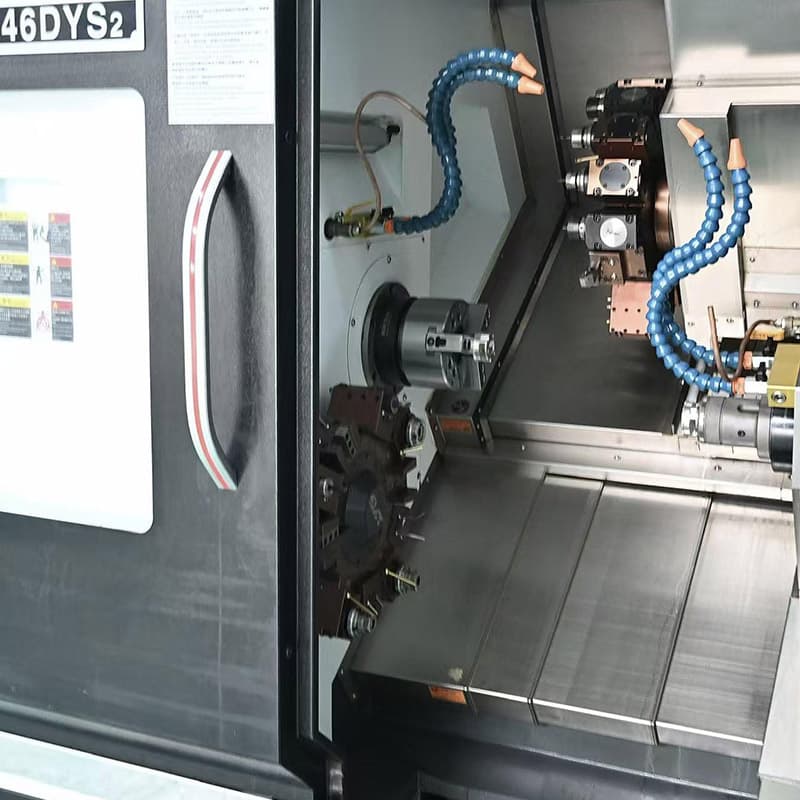
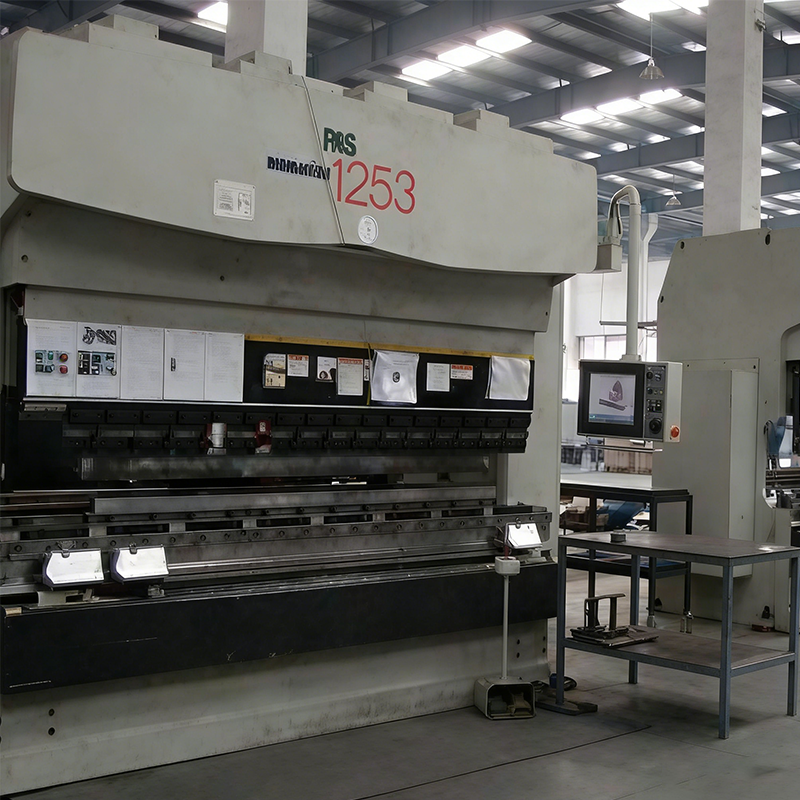
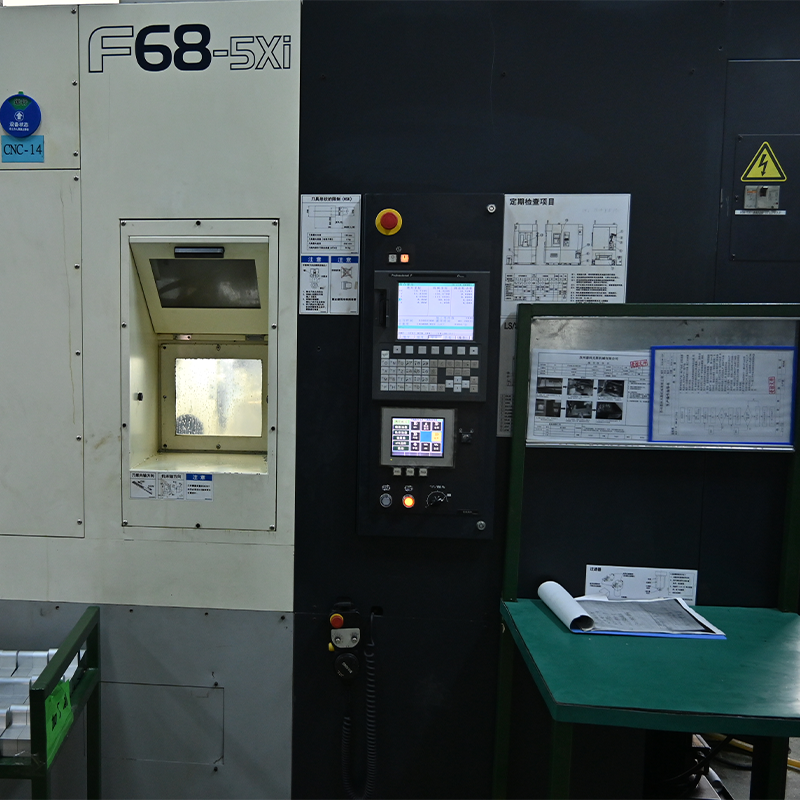
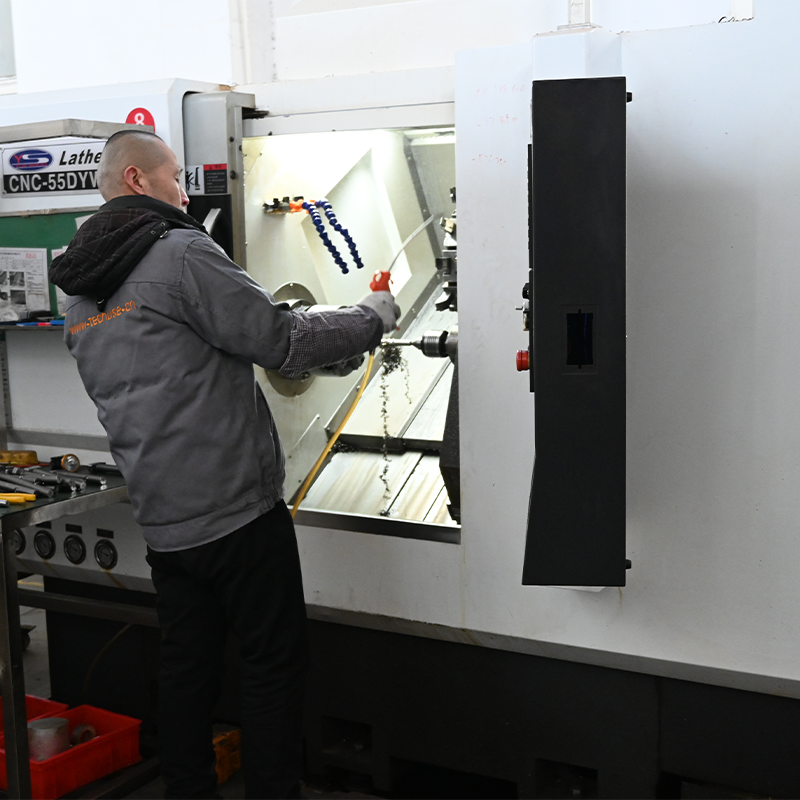
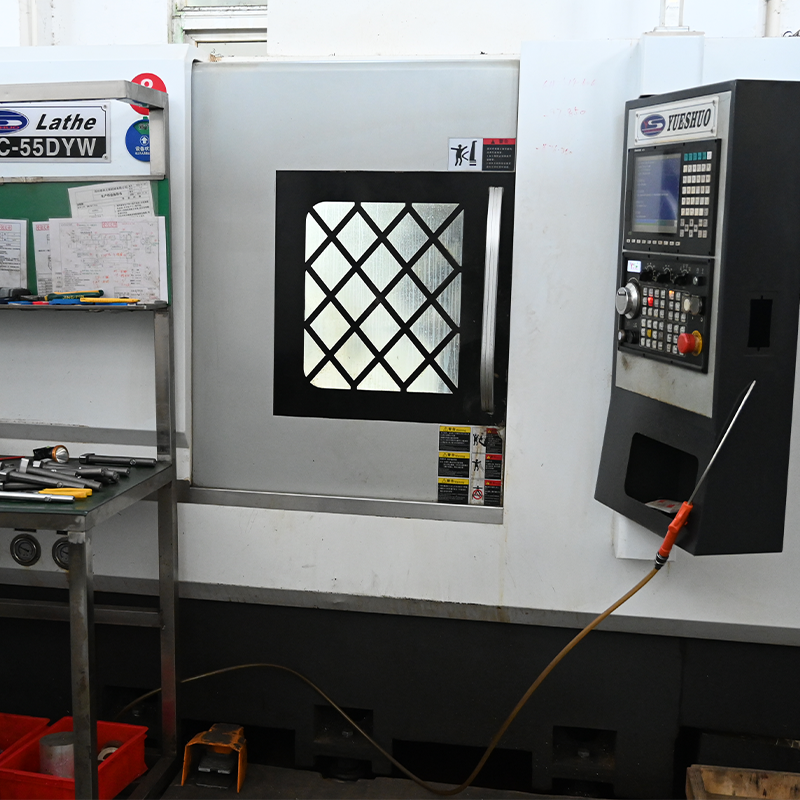
Numerical control equipment refers to automated machining systems that use programmed instructions to control machine movements, tools, and processing operations. Compared with conventional machining methods, CNC machines provide higher automation, improved repeatability, and better control over complex manufacturing processes.
Modern numerical control equipment is widely used for precision machining, metal cutting, component manufacturing, mold processing, and customized production. It can process various materials, including metals, engineering plastics, and composite materials, depending on the machine structure and tooling configuration.
Before purchasing CNC equipment, manufacturers should first define their production goals, including the type of components to be processed, required accuracy levels, production volume, and future development requirements.
Key Factors to Consider When Purchasing Numerical Control Equipment
Choosing the appropriate numerical control equipment requires a comprehensive evaluation of several technical and operational factors. A machine that performs well in one application may not always meet the requirements of another manufacturing environment.
| Evaluation Factor | Function | Importance |
|---|---|---|
| Processing Capability | Determines the types, sizes, and complexity of components that can be manufactured | Ensures the equipment matches production requirements |
| Accuracy and Stability | Controls machining precision and repeatability during operation | Supports consistent product quality |
| Control System | Manages machine movement, programming, and automation functions | Improves operational efficiency and flexibility |
| Tool Compatibility | Determines available cutting tools and machining methods | Affects processing range and productivity |
| Maintenance Requirements | Defines inspection, repair, and service needs | Influences long-term operating costs |
1. Processing Requirements and Application Scope
The first consideration when selecting numerical control equipment is whether the machine can meet specific manufacturing requirements. Different industries require different machining capabilities. For example, precision components used in aerospace or medical applications often require strict dimensional control, while general industrial parts may focus more on efficiency and production flexibility.
Manufacturers should evaluate:
- Component size and geometry
- Required machining operations
- Material characteristics
- Production volume
- Future product development possibilities
Selecting equipment with suitable processing capacity prevents limitations during production and reduces the need for frequent equipment replacement.
2. Machining Accuracy and Equipment Stability
Precision is one of the most important performance indicators of CNC machining equipment. High-quality numerical control equipment should maintain stable performance during continuous operation while reducing machining errors caused by vibration, thermal changes, or mechanical wear.
Important factors affecting accuracy include:
- Machine structure rigidity
- Motion system performance
- Spindle stability
- Temperature control capability
- Calibration and maintenance procedures
For industries requiring precision manufacturing, equipment stability is often as important as initial machining speed because consistent accuracy directly influences product reliability.
3. Automation Level and Control System Functions
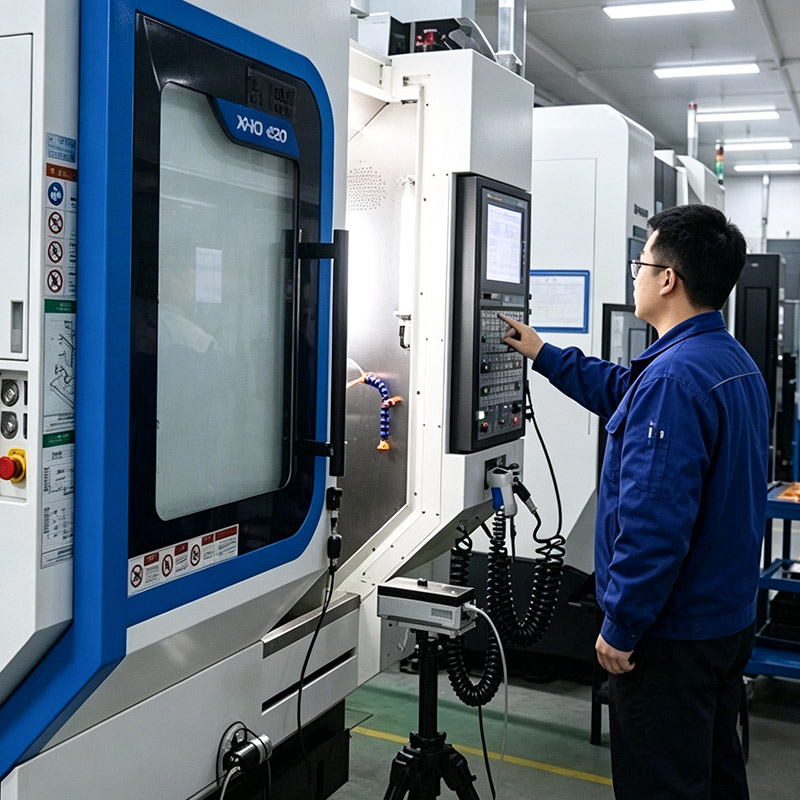
Modern CNC equipment increasingly integrates intelligent technologies to improve production efficiency. Advanced control systems can simplify programming, improve operational monitoring, and support automated production workflows.
When evaluating automation functions, manufacturers should consider:
- Programming convenience
- Data management capability
- Compatibility with production systems
- Automated tool management
- Real-time operation monitoring
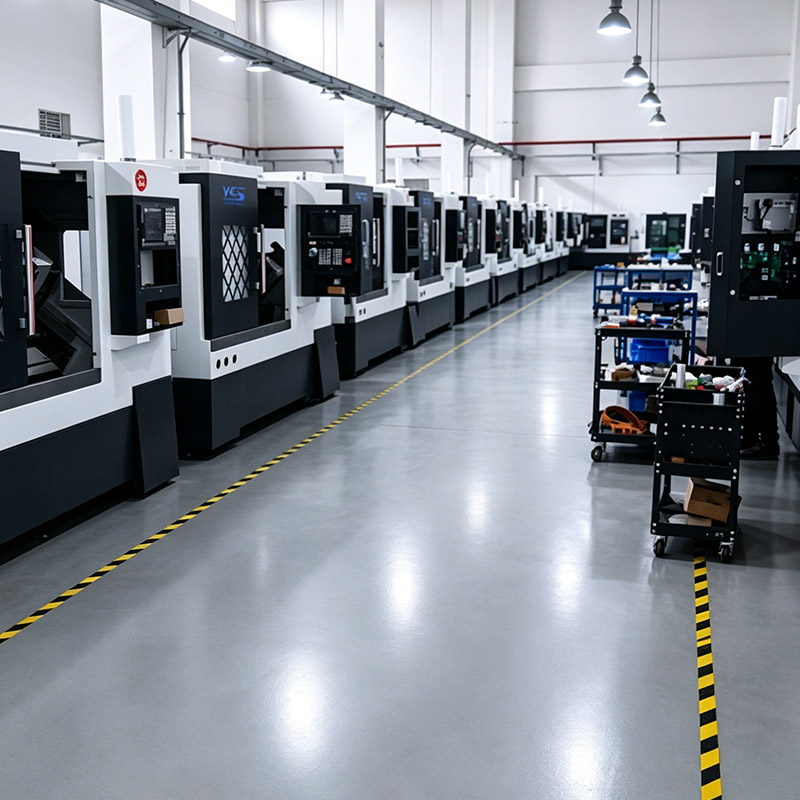
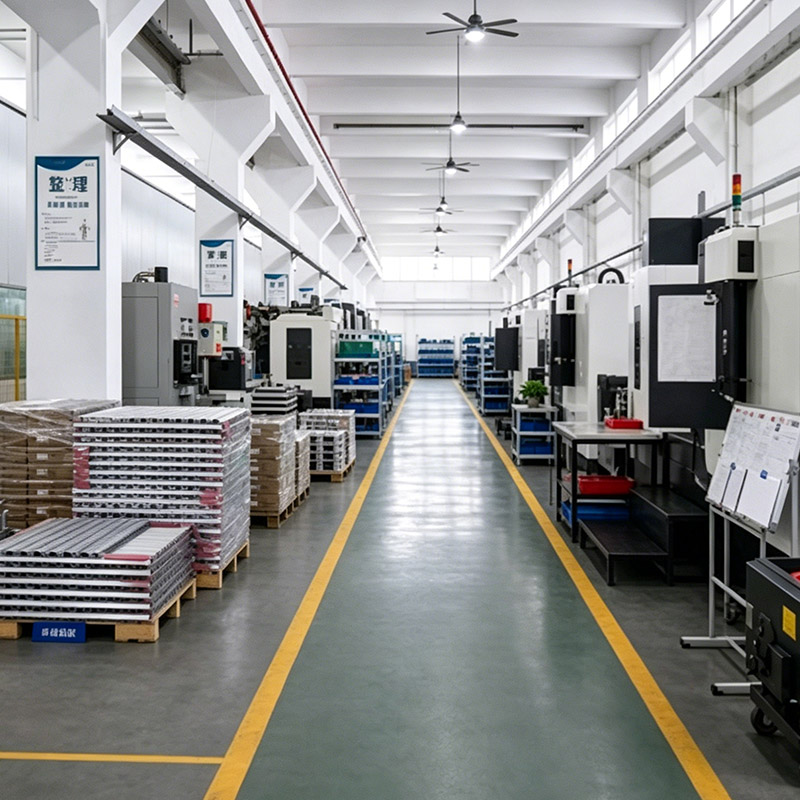
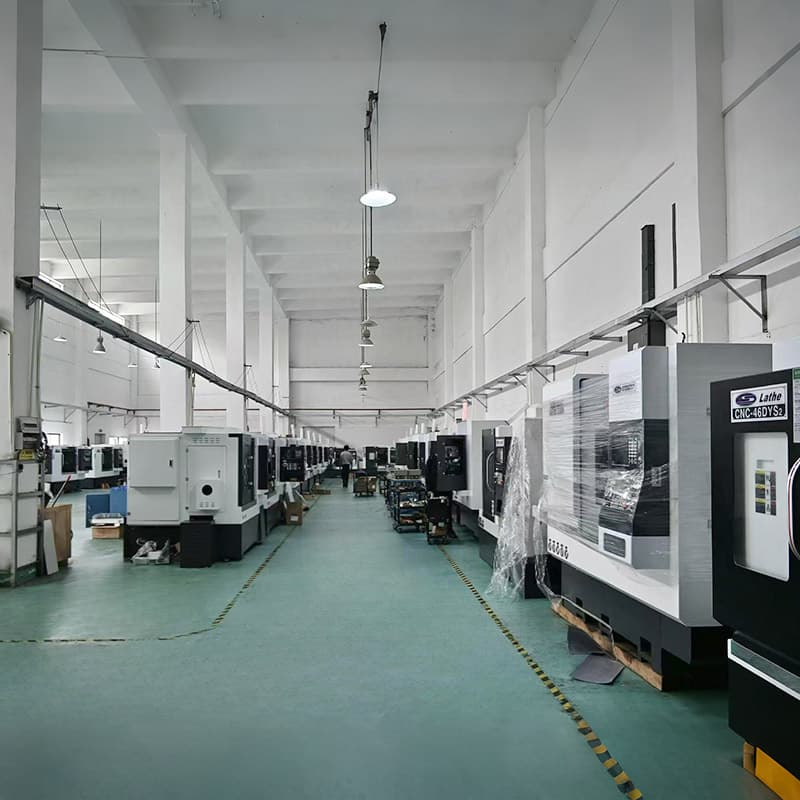
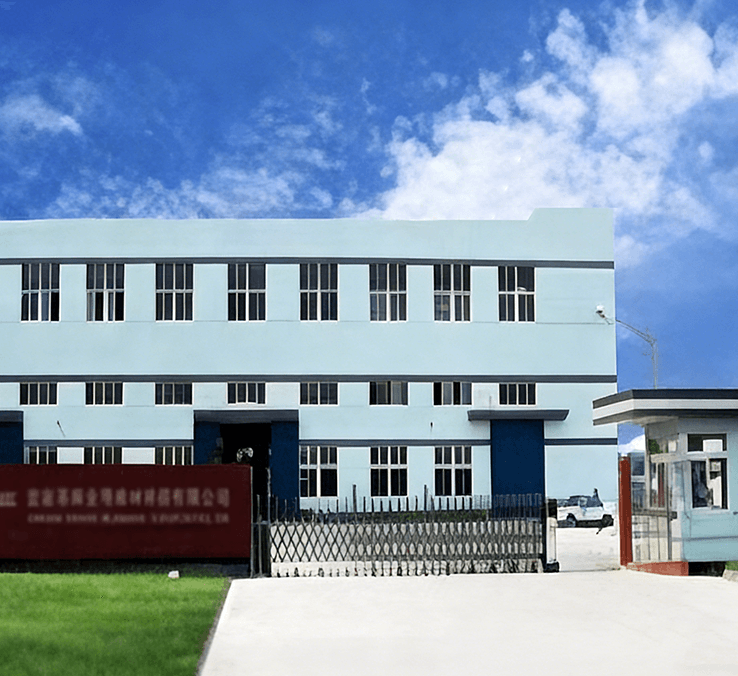
Suzhou Kokosili International Trading Co., Ltd. provides integrated manufacturing solutions based on precision machining, liquid cooling, and automation technologies. With a 9,000-square-meter CNC machining and assembly factory and a 10,000-square-meter precision casting factory, the company supports customized manufacturing requirements through efficient production management and process control.
4. Material Compatibility and Tooling Requirements
Different materials require different machining methods and tool configurations. Before purchasing numerical control equipment, manufacturers should confirm whether the machine can effectively process their target materials.
| Material Type | Processing Characteristics | Equipment Requirements |
|---|---|---|
| Aluminum Alloys | Lightweight and suitable for precision components | Requires stable high-speed machining capability |
| Stainless Steel | High strength and wear resistance | Requires strong rigidity and suitable cutting performance |
| Engineering Plastics | Requires controlled cutting conditions | Needs precise speed and feed adjustment |
| Composite Materials | Complex structures and special processing needs | Requires suitable tooling solutions |
Tool compatibility is another important consideration. Proper cutting tools improve machining quality, extend tool life, and enhance overall production efficiency.
5. Production Efficiency and Cost Management
Purchasing numerical control equipment is not only an equipment investment but also a long-term manufacturing decision. Companies should evaluate the relationship between equipment performance and operational costs.
Key cost factors include:
- Energy consumption
- Tool consumption
- Maintenance frequency
- Operator training requirements
- Spare parts availability
Efficient CNC equipment can help reduce unnecessary production interruptions and improve resource utilization over time.
Customized Solutions and Manufacturing Support
Different industries often require customized machining solutions rather than standard equipment configurations. A professional manufacturing partner can provide support in equipment selection, process optimization, precision machining, and production integration.
Suzhou Kokosili International Trading Co., Ltd. focuses on high-precision components and sheet metal processing for new energy, medical, automated logistics, and aerospace industries. The company utilizes ERP data management systems and intelligent warehousing systems to improve production coordination and provide comprehensive tool management solutions.
In addition, Shanghai Xrun Resin Co., Ltd. develops industrial material solutions that support applications requiring reliable performance and specialized manufacturing processes. Material selection and processing compatibility remain important factors when building efficient production systems.
For companies involved in advanced manufacturing fields, choosing numerical control equipment should consider not only current production needs but also future technological development. Equipment flexibility, automation capability, and integration potential can help manufacturers maintain competitiveness in changing markets.
How to Maintain Numerical Control Equipment for Long-Term Performance?
Proper maintenance is essential for maintaining machining accuracy and extending equipment service life. Regular inspections should include mechanical components, electrical systems, lubrication conditions, and software performance.
Recommended maintenance practices include:
- Cleaning machine surfaces and internal areas regularly
- Checking lubrication systems
- Inspecting cutting tools and replacing worn components
- Calibrating precision components when necessary
- Updating control system parameters according to production requirements
A structured maintenance plan reduces unexpected downtime and ensures stable production performance.
Conclusion
Selecting suitable numerical control equipment requires a detailed understanding of machining requirements, equipment capabilities, material compatibility, automation functions, and long-term operating considerations. The right CNC equipment can improve manufacturing accuracy, production efficiency, and process reliability.
With the continuous development of intelligent manufacturing, numerical control equipment is becoming an essential solution for industries requiring precision and automation. By evaluating technical requirements carefully and selecting equipment that matches future production goals, manufacturers can establish more efficient and sustainable manufacturing systems.
FAQ
1. What industries commonly use numerical control equipment?
Numerical control equipment is widely used in aerospace, medical device manufacturing, new energy, semiconductor-related production, automated logistics, and precision component processing industries.
2. How does numerical control equipment improve manufacturing efficiency?
CNC equipment improves efficiency through automated processing, repeatable operations, accurate control systems, and reduced manual intervention during production.
3. What materials can numerical control equipment process?
Depending on machine configuration and tooling selection, CNC equipment can process metals such as aluminum and stainless steel, as well as engineering plastics and composite materials.
4. What should manufacturers consider before purchasing CNC equipment?
Manufacturers should evaluate processing requirements, machining accuracy, automation functions, material compatibility, maintenance needs, and total operating costs.
5. Why is equipment maintenance important for CNC machining systems?
Regular maintenance helps maintain machining precision, reduce downtime, improve equipment reliability, and extend the operational lifespan of numerical control equipment.
