

 English
  русский
  عربى
عربى 
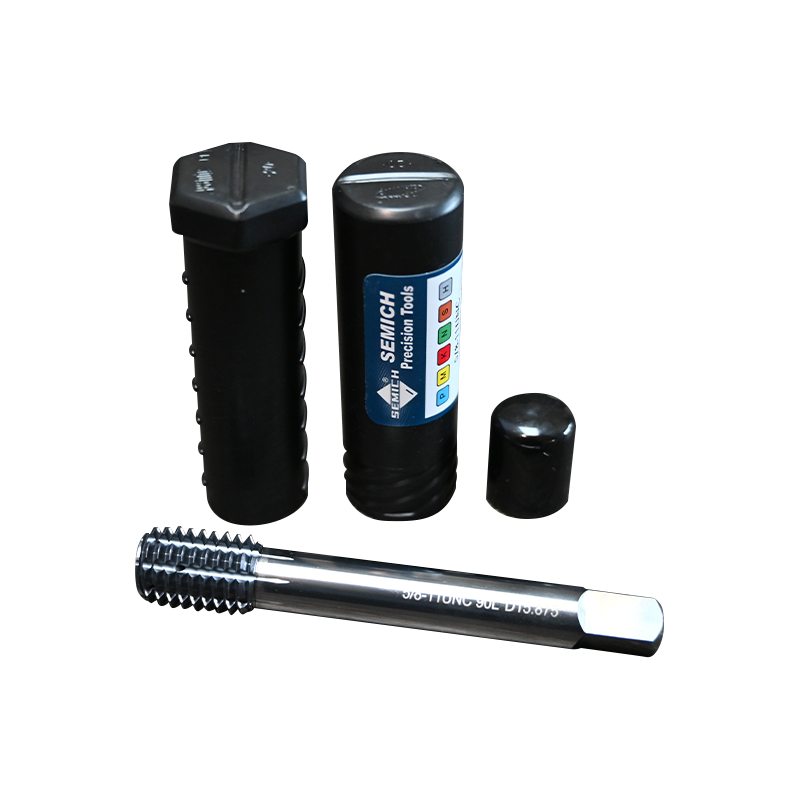
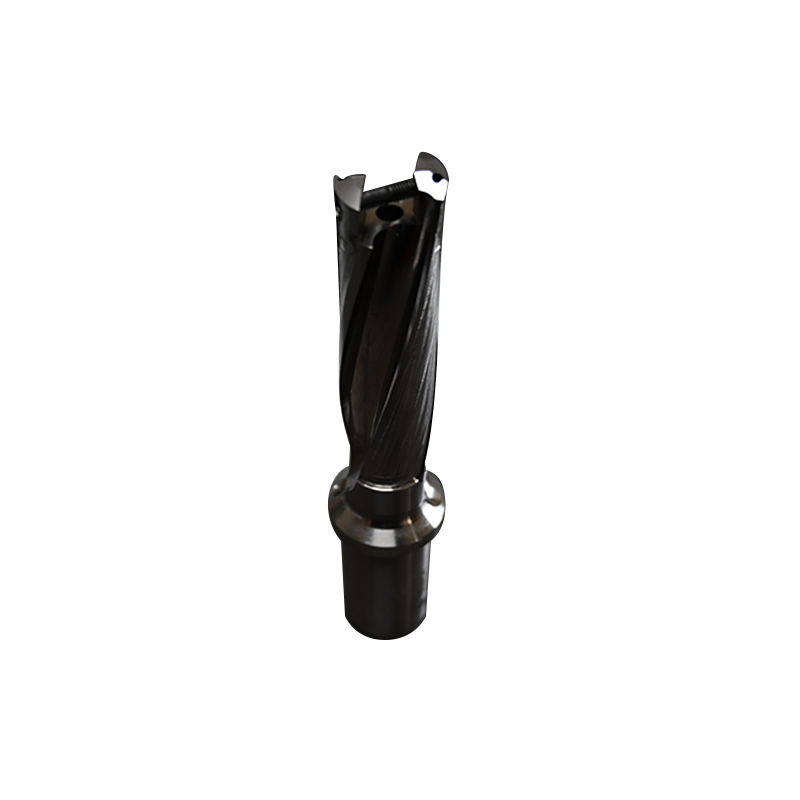
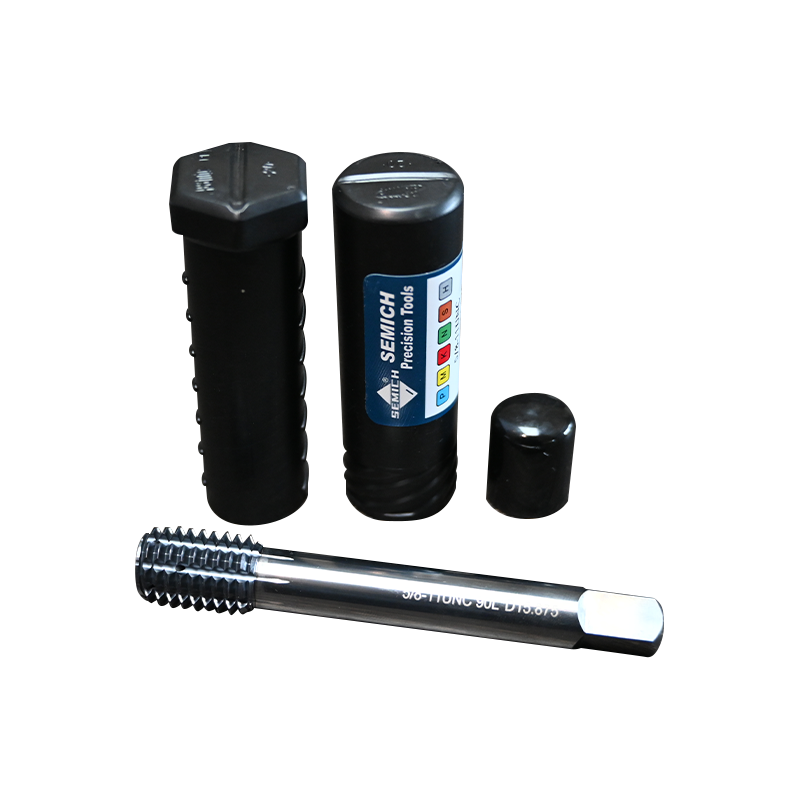
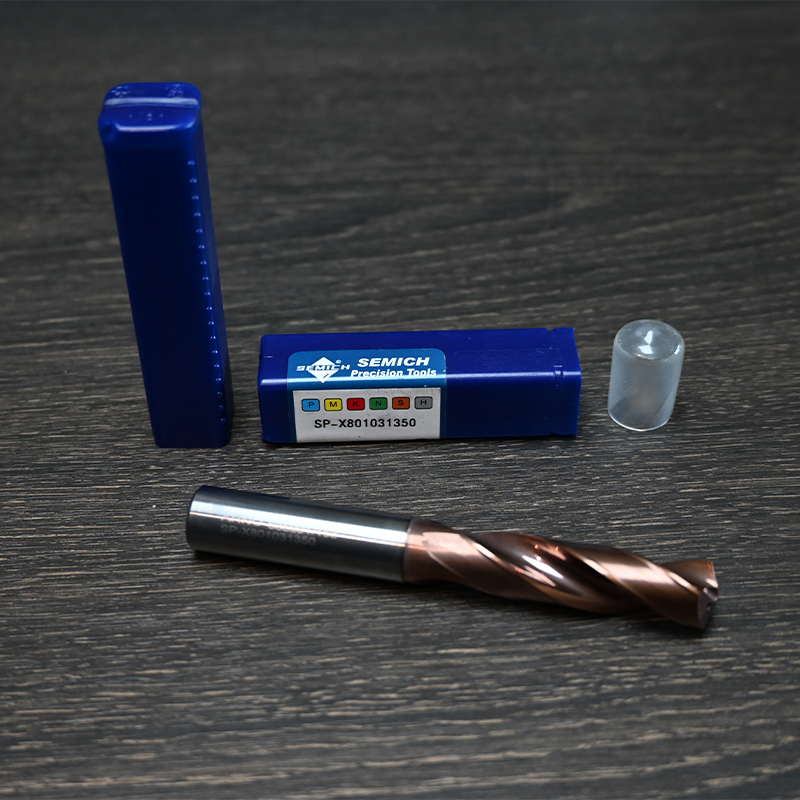





Precision Drill Bits vs Standard Drill Bits: Which One Offers Better Performance?
In modern manufacturing, drilling accuracy, tool durability, and processing efficiency have become critical factors affecting product quality. Choosing the right drilling tool directly influences machining precision, surface finish, production efficiency, and overall operating costs. While standard drill bits are widely used for general drilling tasks, precision drill bits are designed for applications that require tighter tolerances, improved stability, and consistent performance.
The difference between precision drill bits and standard drill bits is not only reflected in their appearance but also in their material selection, manufacturing process, cutting performance, and application scope. Understanding these differences helps manufacturers select suitable drilling solutions for CNC machining, metal processing, aerospace components, medical devices, and other precision industries.
What Are Precision Drill Bits?
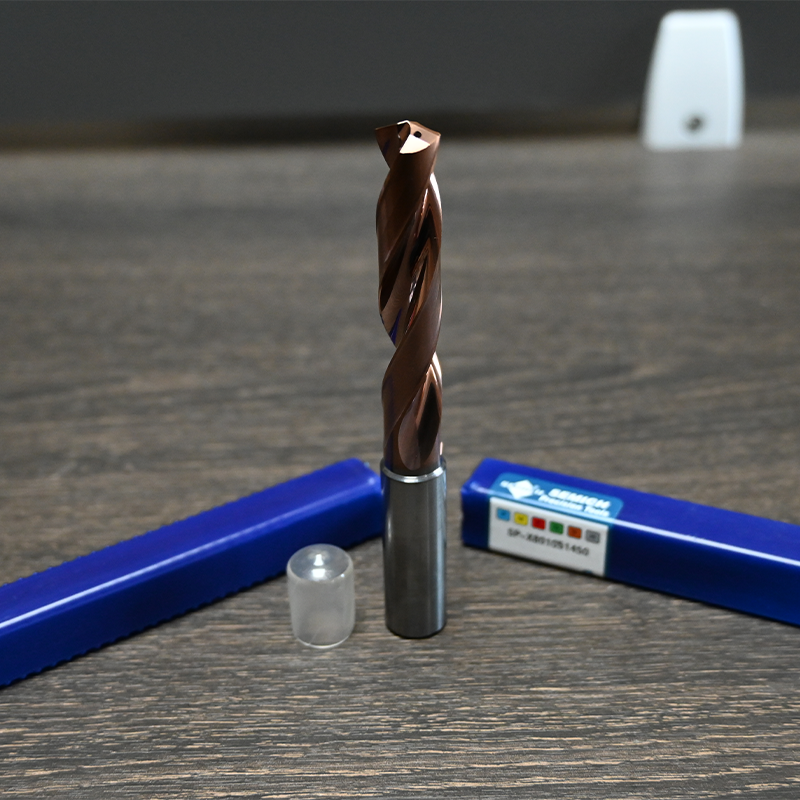
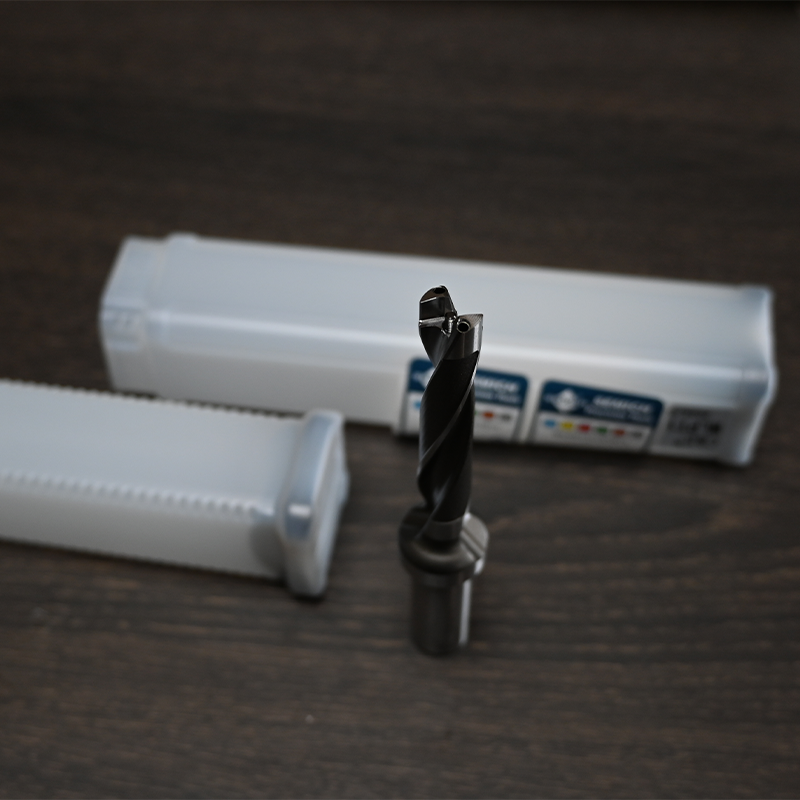
Precision drill bits are advanced cutting tools engineered for high-accuracy drilling operations. They are manufactured with strict dimensional control, optimized cutting geometry, and high-performance materials to achieve stable drilling results under demanding working conditions.
Compared with conventional drill bits, precision drill bits focus on reducing drilling errors, improving hole consistency, and maintaining tool performance during continuous machining processes. They are commonly used in CNC machining centers, automated production lines, precision component manufacturing, and industries where hole accuracy directly affects final assembly performance.
The key characteristics of precision drill bits include:
| Feature | Description |
|---|---|
| High dimensional accuracy | Designed to achieve consistent hole diameter and positioning accuracy |
| Optimized cutting edge | Improves cutting efficiency and reduces machining resistance |
| Enhanced tool stability | Minimizes vibration and improves surface quality |
| Material adaptability | Suitable for processing metals such as aluminum, steel, and titanium alloys |
What Are Standard Drill Bits?
Standard drill bits are general-purpose drilling tools commonly used for routine drilling applications. They provide reliable performance for basic hole-making operations in workshops, maintenance tasks, and conventional manufacturing processes.
These drill bits are suitable when extremely tight tolerances are not required. Their simple structure and broad compatibility make them a practical choice for common drilling operations. However, compared with precision drill bits, standard drill bits may have limitations in machining accuracy, tool life, and performance consistency during complex manufacturing processes.
Precision Drill Bits vs Standard Drill Bits: Key Performance Comparison
The selection between precision drill bits and standard drill bits depends mainly on machining requirements, material characteristics, and production conditions.
| Comparison Factor | Precision Drill Bits | Standard Drill Bits |
|---|---|---|
| Machining accuracy | Designed for high-precision drilling with consistent results | Suitable for general drilling requirements |
| Cutting performance | Optimized geometry improves efficiency and stability | Basic cutting structure for common applications |
| Tool life | Improved durability under continuous machining conditions | May require more frequent replacement in demanding applications |
| Application range | CNC machining, precision components, aerospace, medical manufacturing | General maintenance and standard fabrication |
| Processing stability | Reduced vibration and improved hole quality | Performance may vary under high-load conditions |
| Customization capability | Can be customized according to materials and machining requirements | Usually produced in standard specifications |
How Do Precision Drill Bits Improve Machining Efficiency?
The main advantage of precision drill bits is their ability to maintain stable performance throughout the machining process. In automated manufacturing environments, even small variations in hole accuracy can affect assembly quality and production efficiency.
Precision drill bits improve machining efficiency through several aspects:
1. Improved Hole Accuracy
Precision manufacturing processes require accurate hole positioning and consistent dimensions. Precision drill bits are developed with controlled cutting geometry, helping reduce deviation during drilling and improving the compatibility between components.
This is especially important for industries such as medical equipment, new energy systems, aerospace components, and automated equipment manufacturing, where precision machining requirements are relatively strict.
2. Better Cutting Stability
During high-speed CNC machining, tool vibration can negatively affect surface quality and tool performance. Precision drill bits are designed with optimized structures that help maintain stability during cutting operations.
A stable drilling process reduces unnecessary tool wear and supports smoother production workflows.
3. Extended Tool Performance
Material selection plays an important role in drill bit performance. High-quality tool materials and proper surface treatment can improve wear resistance, allowing precision drill bits to maintain cutting ability during repeated operations.
For manufacturers processing difficult materials such as stainless steel, alloy steel, and titanium alloys, selecting suitable drilling tools can significantly improve machining reliability.
Material and Application Comparison of Different Drill Bits
Different industries require different drilling solutions. The material of the drill bit and the workpiece directly affect machining performance.
| Drill Bit Type | Common Material Characteristics | Suitable Applications |
|---|---|---|
| High-speed steel drill bits | Good toughness and general wear resistance | General metal drilling and maintenance work |
| Carbide precision drill bits | High hardness and excellent wear resistance | CNC machining and high-strength material processing |
| Coated drill bits | Improved friction resistance and cutting performance | Continuous production and automated machining |
| Customized precision drill bits | Designed according to specific processing requirements | Special components and complex manufacturing |
How to Choose Between Precision Drill Bits and Standard Drill Bits?
Choosing the appropriate drilling tool requires consideration of several factors, including workpiece material, machining accuracy, production volume, and equipment type.
For simple drilling operations with normal accuracy requirements, standard drill bits can provide sufficient performance. However, for applications involving complex components, automated machining, or strict dimensional requirements, precision drill bits offer better consistency and processing reliability.
Manufacturers should evaluate:
- Required hole tolerance and surface quality
- Material hardness and machining difficulty
- CNC equipment capability
- Production efficiency requirements
- Expected tool service life
A proper tool selection strategy can reduce machining problems, improve production stability, and support long-term manufacturing efficiency.
Precision Machining Capabilities Supporting Advanced Drilling Solutions
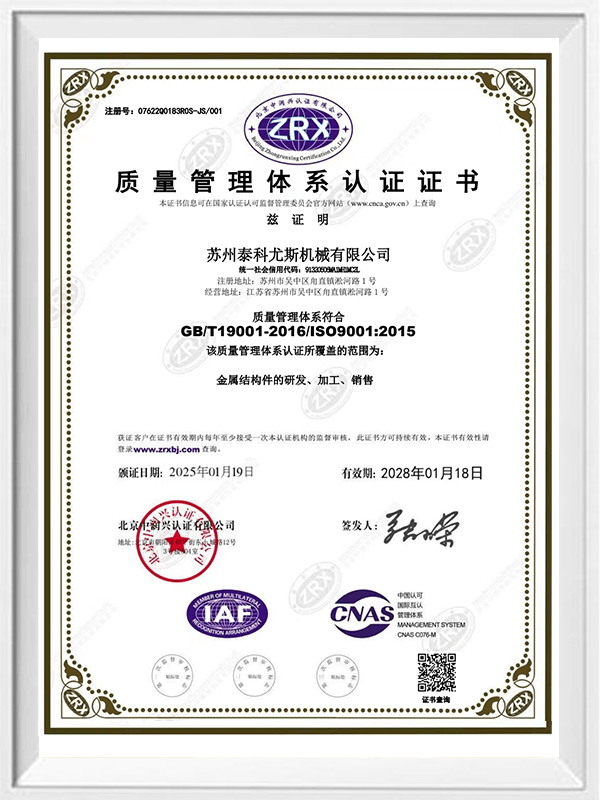
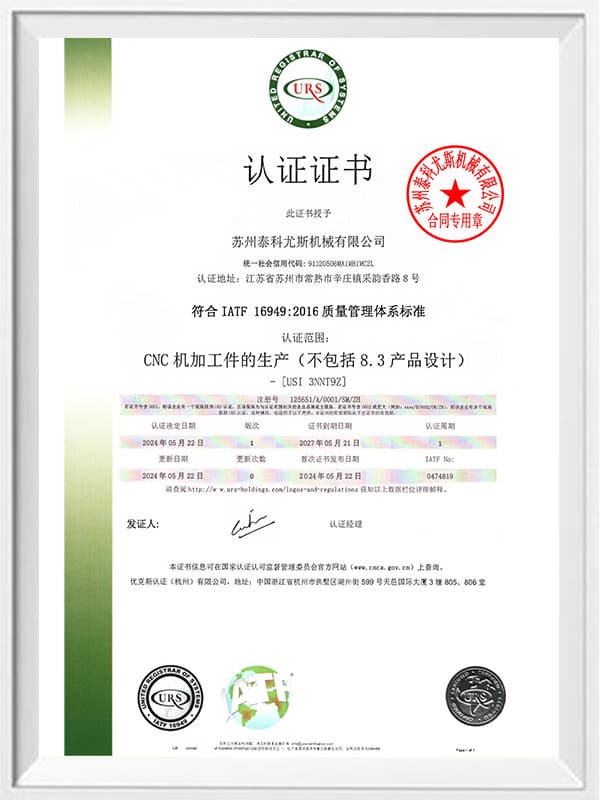
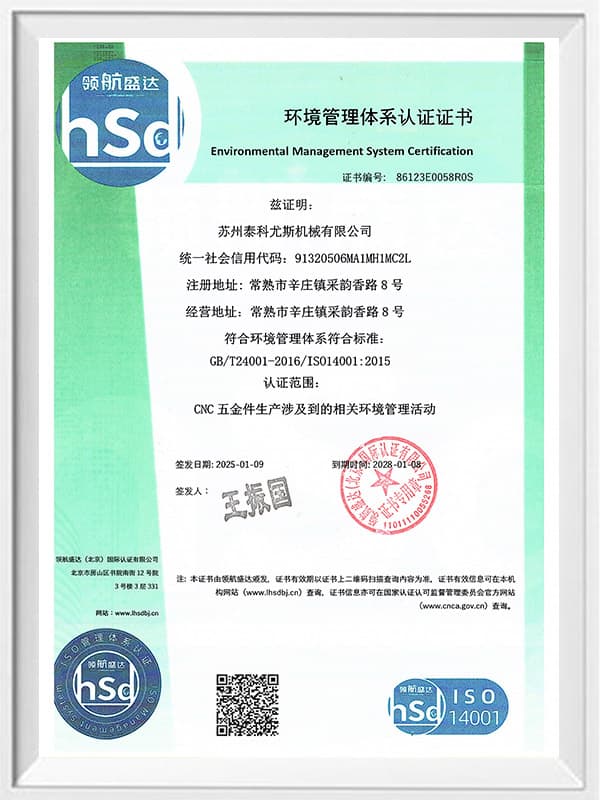
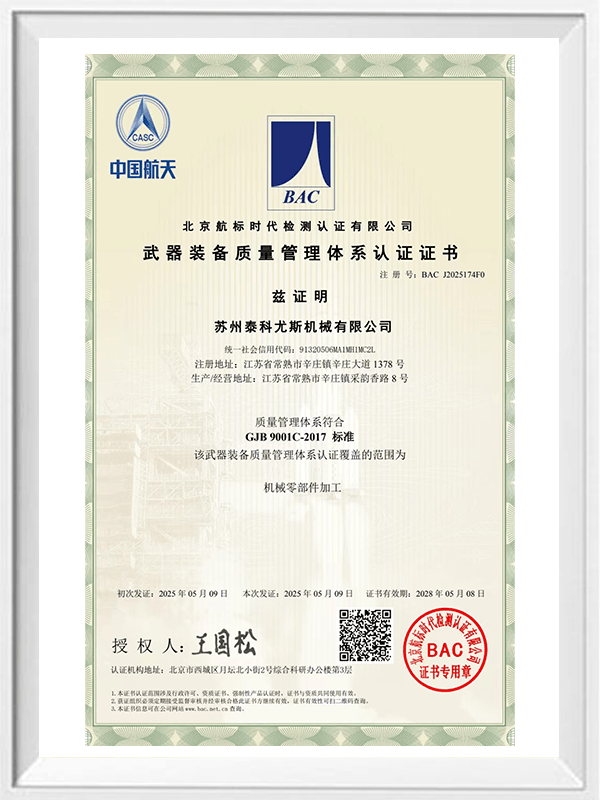
Suzhou Kokosili International Trading Co., Ltd. specializes in providing high-precision components and sheet metal processing solutions for industries including new energy, medical, automated logistics, and aerospace. With a 9,000-square-meter CNC machining and assembly factory and a 10,000-square-meter precision casting factory, the company provides customized manufacturing services based on customer requirements.
The company applies advanced CNC machining technology to process materials such as aluminum, steel, and titanium alloys. Through multi-axis CNC equipment and efficient production management systems, Suzhou Kokosili supports precision parts machining, small-batch production, and customized tool-related solutions.
With ERP data management and intelligent warehousing systems, the company also provides integrated tool management solutions to improve production response efficiency and machining process control.
How Do Precision Drill Bits Support Different Industrial Applications?
Precision drill bits are widely used in industries that require reliable machining accuracy and consistent production quality.
| Industry | Application Requirements |
|---|---|
| New energy | Precision holes for structural components and equipment parts |
| Medical manufacturing | High-quality machining for precision medical components |
| Aerospace | Stable drilling performance for complex alloy materials |
| Automated equipment | Reliable machining for assembly accuracy |
| CNC manufacturing | Efficient drilling solutions for customized parts |
Conclusion
Precision drill bits provide improved accuracy, stability, and durability compared with standard drill bits, making them suitable for advanced manufacturing environments where machining quality is critical. While standard drill bits remain practical for general drilling tasks, precision drill bits offer clear advantages in CNC machining, complex component manufacturing, and high-value industrial applications.
Selecting the right drilling tool based on material, machining requirements, and production goals helps manufacturers achieve better processing efficiency and more consistent product quality.
FAQ
1. What are precision drill bits used for?
Precision drill bits are mainly used for high-accuracy drilling applications, including CNC machining, precision component manufacturing, medical equipment production, aerospace parts processing, and automated manufacturing systems.
2. Are precision drill bits better than standard drill bits?
Precision drill bits generally provide better accuracy, stability, and durability than standard drill bits. However, the suitable choice depends on the specific machining requirements and application environment.
3. What materials can precision drill bits process?
Precision drill bits can be designed for processing various materials, including aluminum, steel, stainless steel, titanium alloys, and other engineering materials.
4. How can precision drill bits improve CNC machining?
Precision drill bits improve CNC machining by reducing drilling deviation, enhancing cutting stability, improving hole quality, and supporting consistent production performance.
5. How should precision drill bits be maintained?
Proper maintenance includes regular cleaning, checking cutting edge conditions, using suitable cutting parameters, and storing tools in a dry environment to prevent damage and maintain performance.
