
 English
 русский
 عربى


Cast Metal Parts Guide: Casting Processes, Materials, Tolerances and Suppliers
Content
- 1 Cast Metal Parts Explained: The Process That Shapes Complex Components
- 2 High-Pressure Casting vs Precision Casting: Which Process Fits Your Part?
- 3 Material Selection for Cast Metal Parts: Matching Alloy to Function
- 4 Tolerances, Draft Angles, and Geometry: What Drives Casting Cost
- 5 Quality Control for Cast Metal Parts: Inspection Points That Matter
- 6 How to Choose a Cast Metal Parts Supplier: A Purchasing Checklist
- 7 Frequently Asked Questions
Imagine your design team has settled on a cast aluminum housing for a new energy battery pack. The drawing calls for thin walls, tight internal coolant channels, and a surface finish that will be visible in the final assembly. The process you choose for cast metal parts will decide your tooling budget, your per-piece price, and your dimensional control for the whole production run. Here is a practical guide to the process, material, and supplier decisions that matter.
Cast Metal Parts Explained: The Process That Shapes Complex Components
Cast metal parts are components formed by pouring molten metal into a mold cavity, where it cools and solidifies into the desired shape before secondary finishing. This near-net-shape route means the part leaves the mold close to final dimensions, so expensive machining time is minimized.
Casting is a family of processes rather than a single method. High-pressure die casting, precision investment casting, sand casting, and powder metallurgy each have a different tolerance ceiling, tooling cost, and cycle time. A supplier that carries multiple casting processes can recommend the best route for your drawing and volume, instead of steering you toward the process they happen to be set up for.
At Kokosili, the casting facility is paired with CNC machining and assembly, which means the supplier can manage the full workflow from pattern making to finished component. This reduces communication overhead and helps protect tolerance accuracy through each step.
High-Pressure Casting vs Precision Casting: Which Process Fits Your Part?
High-pressure casting suits high-volume aluminum and zinc parts in the thousands per year. Precision casting is the better choice for small batches, complex internal geometry, and heat-resistant alloys like stainless steel and nickel-based superalloys.
High-pressure casting injects molten metal into a steel die at high pressure, producing thin walls, rapid cycle times, and excellent surface finish. The tooling is expensive, but the cost per part drops with volume. Precision casting builds a wax pattern, coats it with ceramic shells, and pours molten metal into the shell. It offers tighter tolerances, works with alloy families that are difficult to die cast, and costs less in tooling.
| Factor | High-Pressure Casting | Precision Casting |
| Typical run volume | 10,000+ parts per year | 100-10,000 parts per year |
| Wall thickness | 1.0-2.5 mm typical | 0.5-1.5 mm possible |
| As-cast tolerance | +/-0.10-0.30 mm | +/-0.05-0.20 mm |
| Typical materials | Aluminum, zinc, magnesium | Stainless, carbon steel, superalloys |
| Tooling investment | Highest, amortized over volume | High, but significantly lower than die casting |
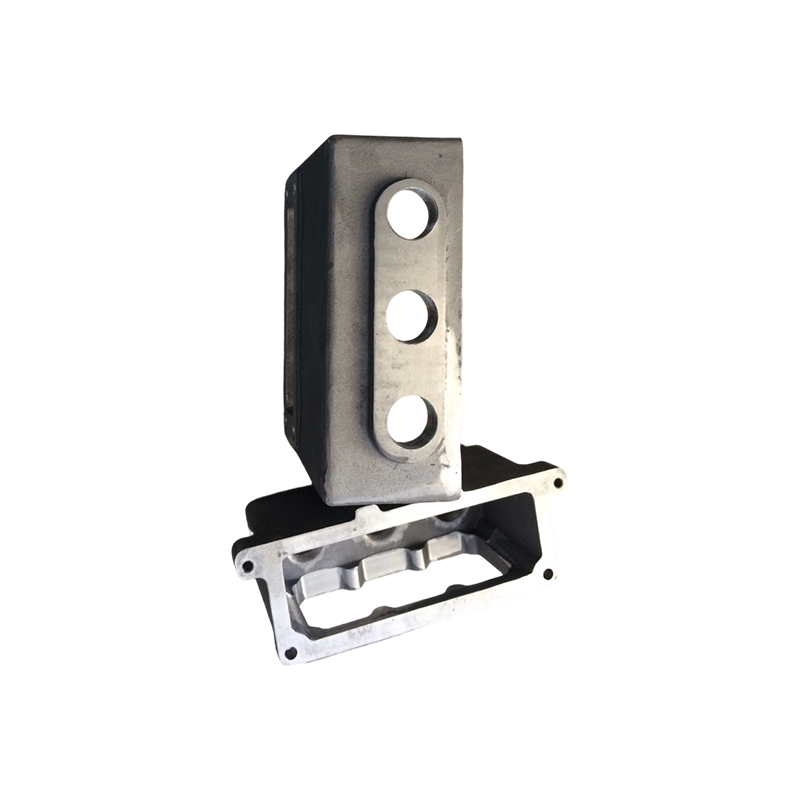
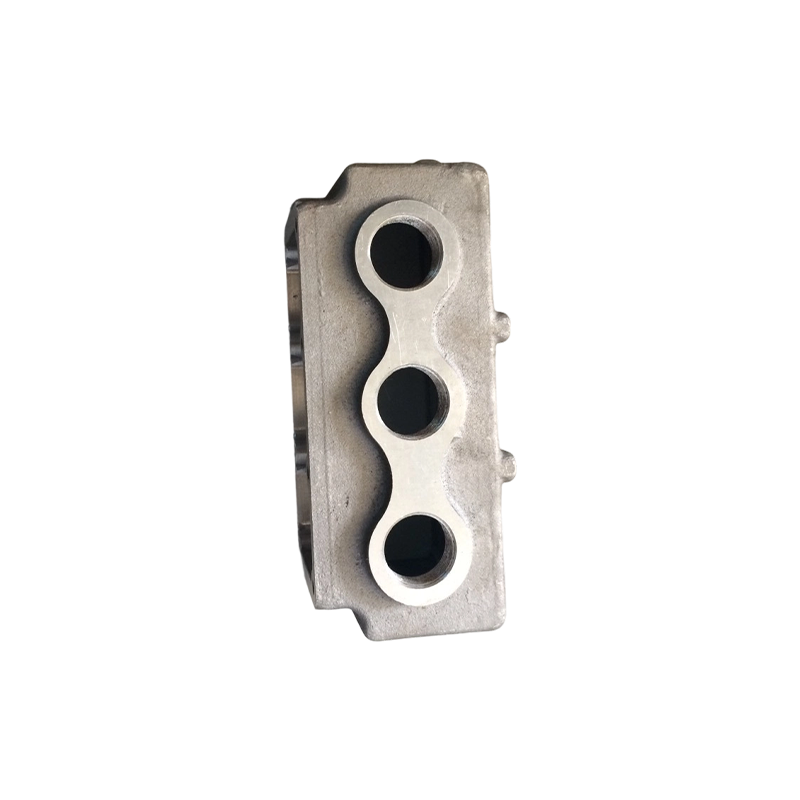 High-Pressure Casting for Mass-Produced Thin-Walled PartsHigh-pressure casting suits high-volume production of thin-walled components with excellent surface finish. It offers rapid cycle times and cost efficiency for large runs, making it a strong choice when speed and scale matter.View Product →
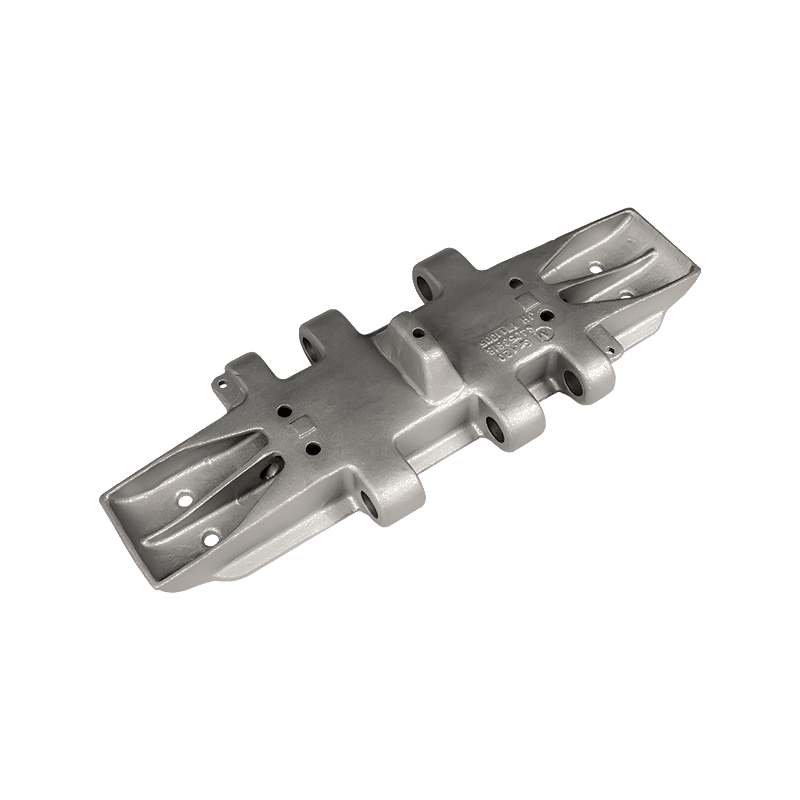 Precision Casting for Complex Geometries and Tight TolerancesPrecision casting provides tighter tolerances and works with hard-to-machine alloys. It is ideal for complex internal cavities and small batches where design freedom and dimensional accuracy are critical.View Product →
Before choosing a process, compare your target volume, the wall thicknesses in your drawing, and the alloy. If you are migrating a machined part to casting, these three factors will drive the decision faster than any marketing description.
Material Selection for Cast Metal Parts: Matching Alloy to Function
Aluminum alloys are the default for lightweight and thermally demanding applications, while stainless steel and nickel alloys are selected for corrosion resistance and high-temperature strength.
A380 aluminum is the workhorse for die-cast parts. A356 offers better elongation and weldability, making it common for precision-cast structural components. ZA-8 zinc is used when the part needs very thin walls and fine detail. For corrosion resistance, 304 and 316 stainless are precision cast into valves, housings, and medical device components. In aerospace, nickel-based superalloys handle high temperatures, and 17-4PH provides strength with good corrosion resistance in military components.
- Aluminum A380 and A356 - castability and thermal conductivity for heat sinks and housings
- Zinc ZA-8 and ZA-12 - thin walls and fine detail for high-volume parts
- Stainless 304, 316, and 17-4PH - corrosion resistance and high strength
- Nickel-based superalloys - high temperature strength for aerospace
- Carbon steel - cost-effective structural components
The material choice also affects tooling wear. Die casting zinc and aluminum causes less thermal fatigue on a steel die than casting superalloys, which are generally precision cast instead of die cast.
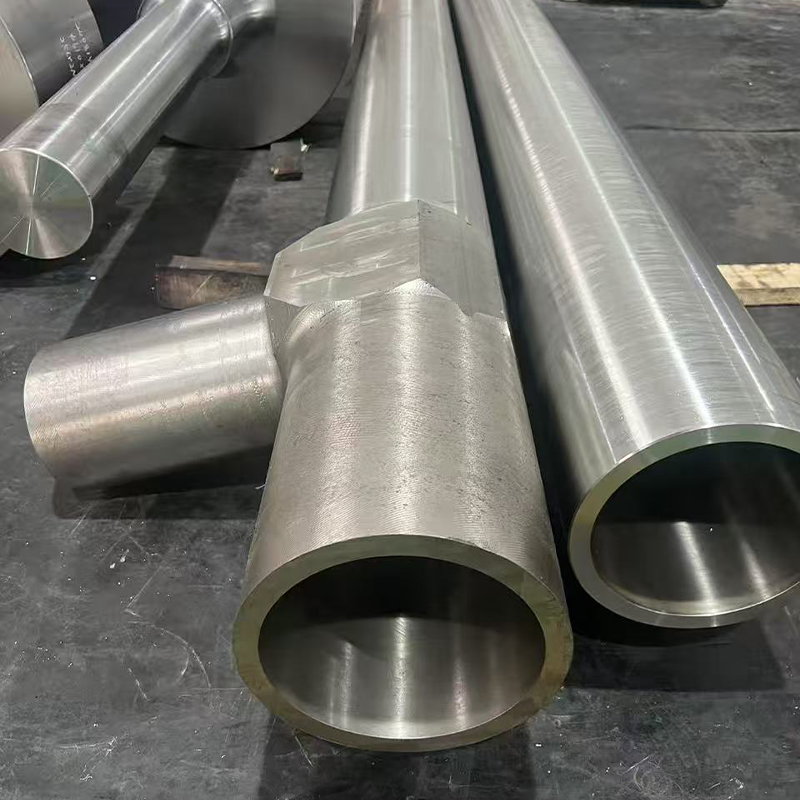 Aerospace Components for Extreme Performance RequirementsAerospace components in this series use advanced materials and precision manufacturing to meet high-performance needs. They are designed for reliable operation under extreme conditions, balancing weight reduction and structural strength.View Product →
Tolerances, Draft Angles, and Geometry: What Drives Casting Cost
Tighter tolerances and more complex geometry add operations to the casting process, and added operations are what drive your cost.
Draft angles are required on all vertical faces to let the part release from the die or shell. High-pressure casting normally needs 1-3 degrees of draft, while precision casting can work with 0.5-1 degree. Uniform wall thickness is critical because thick sections cool slower and create shrinkage voids. Undercuts and internal passages require additional slides, cores, or extra machining operations.
The chart below shows the typical as-cast tolerance range for the main processes. Any dimension that needs a tighter result will require post-cast machining, which adds cycle time and cost.
The mold cost for high-pressure casting can be published in the tens of thousands, while precision casting tooling is typically a fraction of that. But the per-piece price for precision casting is higher because of slower cycle times and more manual processing. This is why the annual volume forecast matters so much.
Quality Control for Cast Metal Parts: Inspection Points That Matter
Dimensional inspection, non-destructive testing, and material certification are the three quality gates that separate a reliable casting supplier from an inconsistent one.
Dimensional inspection uses CMM measurement systems and gages to verify that critical features match the drawing. Non-destructive testing checks for internal porosity and cracks using X-ray, dye penetrant, or ultrasonic methods. Surface inspection confirms that visible defects and roughness stay within acceptable limits. Material certification includes chemical composition and mechanical properties for every batch.
Kokosili's quality testing protocol covers precision measurement and various inspection methods to support the dimensional and material requirements above.
How to Choose a Cast Metal Parts Supplier: A Purchasing Checklist
Evaluate the supplier's process range, inspection capability, and secondary machining capacity before you compare per-part prices. A supplier without these capabilities will just subcontract them, and you lose traceability.
- Confirm the casting process matches your volume and tolerance needs
- Verify in-house inspection and testing equipment
- Check secondary machining and finishing capacity
- Ask for material certificates and batch traceability
- Clarify tooling ownership, maintenance, and storage terms
A supplier that operates both a precision casting plant and a CNC machining plant can handle the whole part from casting to finished component. At Kokosili, cast metal parts go from the casting plant to CNC machining under one roof.
Ask the supplier who will perform secondary operations. A supplier with in-house CNC capability retains control over final tolerances. If the machining is outsourced, the casting supplier may not be responsible for fit issues that appear downstream.
Frequently Asked Questions
What is the difference between cast metal parts and machined metal parts?
Cast parts are formed near net shape by pouring molten metal into a mold. Machined parts are cut from solid material. Casting suits complex internal geometry and higher volumes, while machining provides tighter tolerances for simple shapes.
What materials are used for cast metal parts?
Aluminum alloys, zinc, stainless steel, carbon steel, and nickel-based superalloys are the common options. The alloy choice depends on weight, thermal needs, corrosion resistance, and operating temperature.
How do I choose between high-pressure casting and precision casting?
Volume and material are the two deciding factors. High-pressure casting fits high-volume aluminum and zinc parts. Precision casting fits smaller batches and stainless steel or superalloy components. A supplier with both processes can recommend the best route.
What tolerances can I expect from cast metal parts?
High-pressure casting holds +/-0.1 to +/-0.3 mm in as-cast condition. Precision casting holds +/-0.05 to +/-0.2 mm on critical dimensions. Secondary machining brings features to +/-0.01 mm.
Related products


Get In Touch
Follow us
Quick Links
Contact Us
Mobile : +86-18015435510
Mobile : +86-18013715311
Email : [email protected] Email :
whatsApp : +86-18118195312
Address : No. 8, Caiyunxiang Road, Xinzhuang Town, Changshu City
