
 English
  русский
  عربى
عربى 

Automobile Precision Components: Tolerances, Materials, and Supplier Selection
Content
- 1 What Are Automobile Precision Components?
- 2 Why Tight Tolerances and Surface Finish Matter in Automotive Components
- 3 Key Automotive Precision Component Groups
- 4 Manufacturing Processes Behind Automotive Precision Components
- 5 Materials That Define Component Performance
- 6 Quality Control in Automotive Component Supply
- 7 How to Evaluate a Supplier for Automobile Precision Components
How much can a brake caliper or a battery cooling plate deviate before an entire vehicle line turns into a recall? The honest answer is only a few microns. In automobiles, precision components are not a convenience; they are the difference between a leak-free braking system and a warranty claim, between a smooth gear change and a costly transmission failure. Automobile precision components are the machined, cast, and formed parts that carry fluid, torque, signal, and heat, and their dimensional quality determines vehicle safety, efficiency, and service life. This article explains what makes a component genuinely precise, which tolerances and materials matter most, and how to choose a supplier that can hold those requirements across a full production series.
What Are Automobile Precision Components?
An automobile precision component is any part whose function depends on tightly controlled dimensions, geometric form, surface finish, and material properties. A simple bracket can be slightly out of shape and still work. A fuel injector body, a valve seat, a gear shaft, or an EV cooling manifold cannot: a deviation of a few microns changes how fluid flows, how parts assemble, and how long a bearing survives.
Typical parts in this category include:
- Engine components: fuel injector bodies, valve guides, piston pins, and camshaft journals.
- Transmission and drivetrain parts: gear blanks, shift shafts, synchronizer hubs, and differential housings.
- Braking, suspension, and steering parts: caliper bodies, ABS valve blocks, steering knuckles, and wheel hubs.
- New energy vehicle parts: battery cooling plates, liquid cooling manifolds, motor end caps, and busbar connectors.
These parts often look simple, but their production requires a defined process, controlled tooling, and inspection data on every critical feature. For a closer look at how these part families are organized from a manufacturing standpoint, the automotive precision components product line is a useful reference.
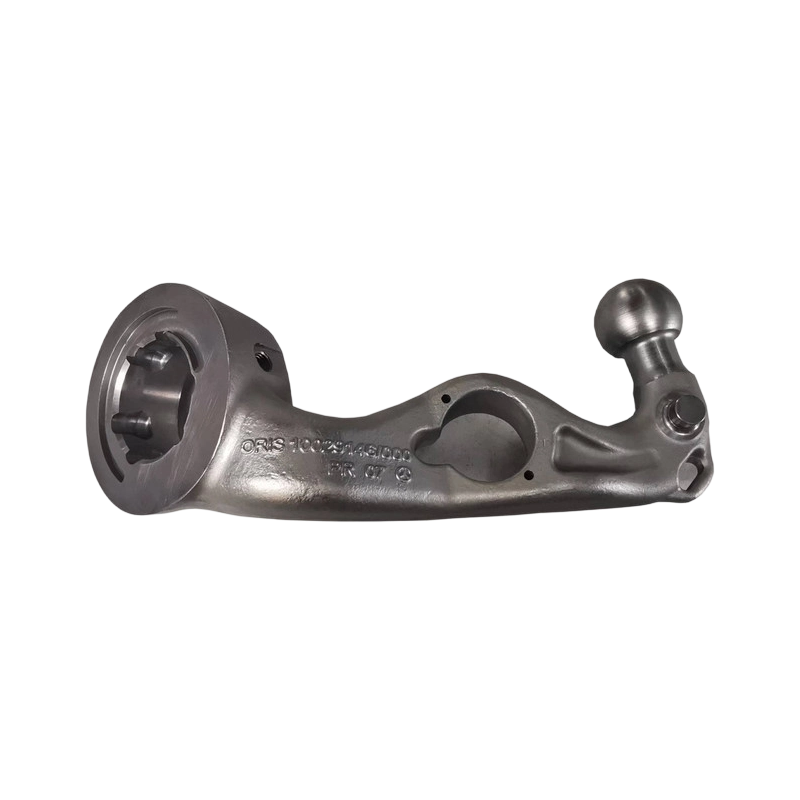 Wholesale Automobile Precision Components Suppliers, ExporterSuzhou Kokosili International Trading Co., Ltd. Wholesale Automobile Precision Components, We Are China Automobile Precision Components S...View Product →
Why Tight Tolerances and Surface Finish Matter in Automotive Components
There are four reasons the automotive industry treats dimensional control as a hard requirement rather than a quality ideal. First, safety-critical functions depend on geometry: braking, steering, and suspension parts that are out of tolerance create unpredictable stress concentrations and early failure. Second, sealing and leakage are direct consequences of geometry: fuel, coolant, brake fluid, and transmission oil all travel through precision-machined channels, and most leak complaints trace back to mating surfaces that did not meet specification. Third, consistent dimensions keep vehicle assembly lines running; parts that require manual fitting or rework disrupt production flow and raise cost. Fourth, performance and durability depend on it: gear profile errors, bearing seat ovality, and excessive surface roughness directly increase noise, vibration, friction, and wear.
In large-series production, a drift of even ten microns in a single machining station can produce thousands of nonconforming parts before it is noticed. That is why waste reduction is as much a quality engineering issue as a cost issue.
| Component group | Typical tolerance | Typical surface finish (Ra) | Common materials |
|---|---|---|---|
| Engine fuel and valve train | ±0.005–0.010 mm | 0.2–0.4 µm | Alloy steel, stainless steel, aluminum |
| Transmission gears and shafts | ±0.010–0.020 mm | 0.4–0.8 µm | Carburized and hardened steel |
| Braking, steering, and suspension | ±0.020–0.050 mm | 0.8–1.6 µm | Cast iron, aluminum, steel |
| EV thermal management and cooling | ±0.050–0.100 mm | 1.6–3.2 µm | Aluminum, stainless steel, copper |
These values are typical production ranges, not universal specifications; the drawing and the function define the real requirement. In addition to nominal tolerance, serious buyers ask for process capability data. A part marked ±0.01 mm is only trustworthy when the supplier can demonstrate stable production within that band using process capability metrics such as Cpk.
Key Automotive Precision Component Groups
Different vehicle systems place different demands on precision manufacturing. The component groups below illustrate where tolerances, materials, and process control matter most.
Engine and Powertrain Components
Fuel injectors, valve seats, camshaft journals, piston pins, and cylinder liners operate at high temperature and pressure. A few microns of ovality on a valve seat can increase oil consumption; a rough injector surface can disturb the spray pattern and raise emissions. These components push the limits of CNC turning, grinding, and precision honing.
Transmission and Drivetrain Parts
Gear profile, runout, and surface hardness determine whether a gearbox shifts quietly and lasts. Transmission shafts, synchronizer hubs, and differential housings require tight concentricity and controlled heat treatment. Gear processing is usually paired with precision machining to achieve both geometric accuracy and mechanical strength.
Braking, Suspension, and Steering Parts
Brake calipers, ABS valve blocks, steering knuckles, and wheel hubs carry direct safety responsibility. Casting porosity, machining burrs, and dimensional drift in these parts can cause fluid leaks, uneven clamping force, or steering vibration. That is why OEMs and tier-one suppliers require statistical evidence of capability, not just a final inspection report.
New Energy Vehicle Components
Electric vehicles have shifted the precision component agenda toward thermal and electrical systems. Battery cooling plates, liquid cooling manifolds, and motor housings must hold sealing surfaces and mounting dimensions while managing high heat loads. The new energy and automotive industry applications page shows how these parts fit into a complete vehicle architecture. Where a cooling circuit is required inside the vehicle, liquid cooling pipeline products are one example of precision-formed components that must maintain a consistent cross-section and leak-free joints over the full system life.
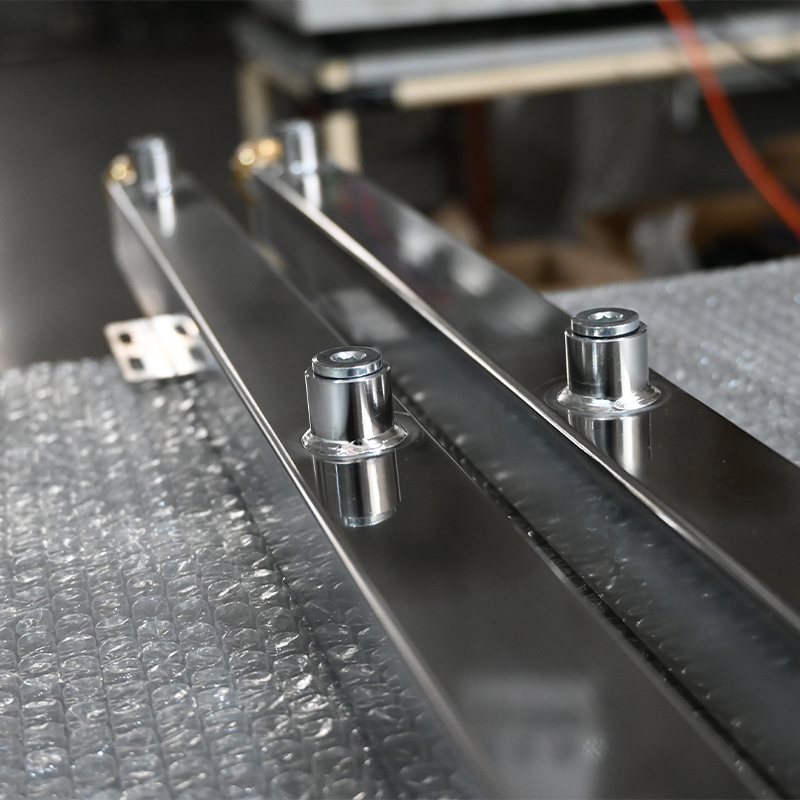 Wholesale Liquid Cooling Pipeline/Manifold Suppliers/ExporterSuzhou Kokosili Wholesales Liquid Cooling Pipelines And Manifolds For Energy Storage And Data Center Applications As A Trusted China Supp...View Product →
Manufacturing Processes Behind Automotive Precision Components
Almost no automotive precision component is produced in a single operation. A typical route starts with casting, forging, extrusion, or powder metallurgy to create the blank, then uses CNC machining to establish the functional surfaces. Some parts skip several of these steps; others need all of them. The most relevant processes include:
- CNC precision machining: final dimensions, threads, bores, sealing surfaces, and mating faces.
- High-pressure die casting: complex aluminum housings at high production volumes.
- Precision and investment casting: near-net-shape geometries with thin walls and internal passages.
- Forging: high-strength components such as steering knuckles and connecting rods.
- Powder metallurgy: compact parts with high material utilization and consistent density.
- Gear processing: hobbing, shaping, and grinding for transmission components.
- Stamping and sheet metal: brackets, shields, and structural reinforcements.
When a single supplier controls both casting and machining, that supplier can be held accountable for wall thickness variation, machinability, and internal porosity, issues that often surface only at the machining stage. A dedicated line of precision machining services is the final gate where all upstream geometry comes together, so the tolerance strategy should be discussed before a single tool is ordered.
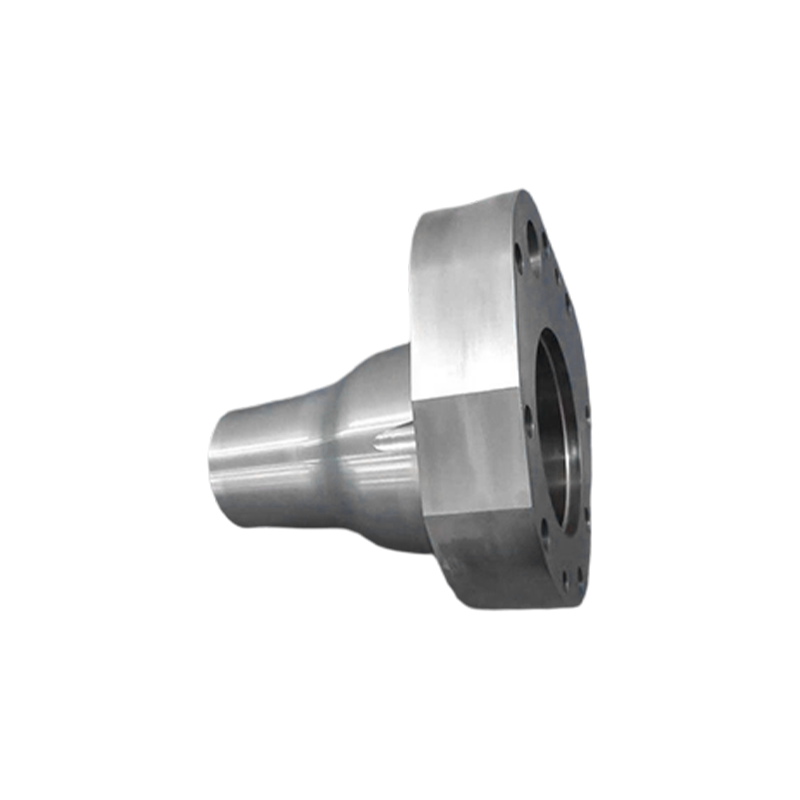 Custom Precision Machining Suppliers, Company, ExporterSuzhou Kokosili International Trading Co., Ltd. Is China custom Precision Machining Suppliers, Company and Exporter,View Product →
Materials That Define Component Performance
Material selection directly affects machinability, cost, weight, corrosion resistance, and end-of-life behavior. The same design can be produced in several alloys, but each choice changes the process window and the likely failure mode.
- Aluminum alloys, such as 6061, 6063, and die-casting grade ADC12: lightweight housings, cooling plates, and motor components.
- Carbon and alloy steels, such as 1045, 4140, and 8620: shafts, gears, and structural parts that need strength and toughness.
- Stainless steels, such as 304, 316, and ferritic grades: corrosion-resistant sensor housings, connectors, and fluid-handling parts.
- Cast iron: brake discs and caliper bodies, valued for damping behavior and wear resistance.
- Copper and bronze alloys: bushings and electrical connectors where conductivity or sliding behavior is required.
Surface treatment interacts with material choice. Anodizing aluminum, zinc-nickel plating steel, or hard-coating a wear surface changes the dimensional stack-up, so a capable supplier treats the finish specification as part of the geometry rather than a cosmetic afterthought.
Quality Control in Automotive Component Supply
The drawing defines the target, but quality control determines how often a supplier actually hits it. Modern automotive purchasing puts as much weight on data as on parts: material certificates, in-process dimensions, final inspection reports, and evidence of process stability. A reliable supplier operates a closed loop that includes incoming material inspection, in-process gauging to catch drift early, final measurement of critical features with CMM or optical equipment, functional leak or pressure testing for fluid-handling parts, and batch traceability that connects every part to its material and production records.
Before approving a new source, it is worth auditing the supplier's quality testing capability, including the instruments, procedures, and documentation discipline behind every shipment. A supplier that cannot produce measurement data for critical dimensions is effectively asking you to trust the parts on faith.
How to Evaluate a Supplier for Automobile Precision Components
Strong process capability is the first thing to look for, but it never travels alone. The following points have proven useful when qualifying a new manufacturing partner for automotive work:
- Verify actual capability data. Ask for Cpk values and inspection reports on comparable parts, not just the best tolerance the machines can achieve under ideal conditions.
- Check multi-process coverage. Casting, machining, and finishing under one roof reduce coordination risk, shorten feedback loops, and improve traceability when problems appear.
- Audit the quality workflow. Review how incoming material is verified, how in-process dimensions are checked, how final release is decided, and how corrective actions are documented.
- Assess response behavior. The speed and precision of an RFQ reply, the willingness to flag tolerance conflicts, and the sample delivery time reveal how the supplier will behave during a production program.
- Confirm the service model. A partner offering one-stop service can handle material procurement, processing, surface treatment, and inspection in a single loop, which shortens lead times and simplifies communication.
Precision is not measured by what a machine can do under perfect conditions; it is measured by what a supplier can repeat over thousands of parts. Automobile precision components may look like small pieces of metal, but the discipline behind them, tolerance design, process control, material knowledge, and quality data, is what keeps modern vehicles reliable on the road. The right partner treats your drawing as a specification of function and proves compliance with numbers you can trust.
Related products


Get In Touch
Follow us
Quick Links
Contact Us
Mobile : +86-18015435510
Mobile : +86-18013715311
Email : [email protected] Email :
whatsApp : +86-18118195312
Address : No. 8, Caiyunxiang Road, Xinzhuang Town, Changshu City
